El Mirador
"Three days by mule to see a pyramid bigger than anything the Egyptians built. Nobody said it was easy."
A pre-classic Maya megacity swallowed by the deepest jungle in Petén, reachable only by a five-day mule trek or a helicopter, crowned by one of the largest pyramids ever built.
I did not decide to go to El Mirador so much as I got talked into it, slowly, over three beers in Flores, by a guide named Marvin who kept saying “it’s not that far” in a tone that turned out to mean two and a half days of mule trekking through mud, mosquitoes, and absolutely no phone signal. He was right about one thing: nothing prepares you for what’s waiting at the end. El Mirador is the largest Maya city ever built, flourishing centuries before Tikal existed, and it is still almost entirely buried. You walk for hours through unbroken jungle, past unexcavated mounds that your guide casually mentions were once palaces, and then the trees open onto La Danta — a pyramid so massive by volume that some archaeologists rank it among the largest structures humans have ever constructed, ancient or modern.
The climb that changes your sense of scale
Climbing La Danta is not like climbing Temple IV at Tikal. There are no polished stairs, no handrail, just a rough wooden ladder bolted into limestone and root, and it keeps going, and going. When you finally reach the top platform, you are standing above the canopy of the Maya Biosphere Reserve, and there is nothing — no road, no building, no antenna — visible in any direction except green, stretching to a haze on the horizon that might be Mexico or might just be more jungle. I have stood on a lot of viewpoints in my life. This was the first time I understood, physically, what “the largest tropical forest north of the Amazon” actually means.
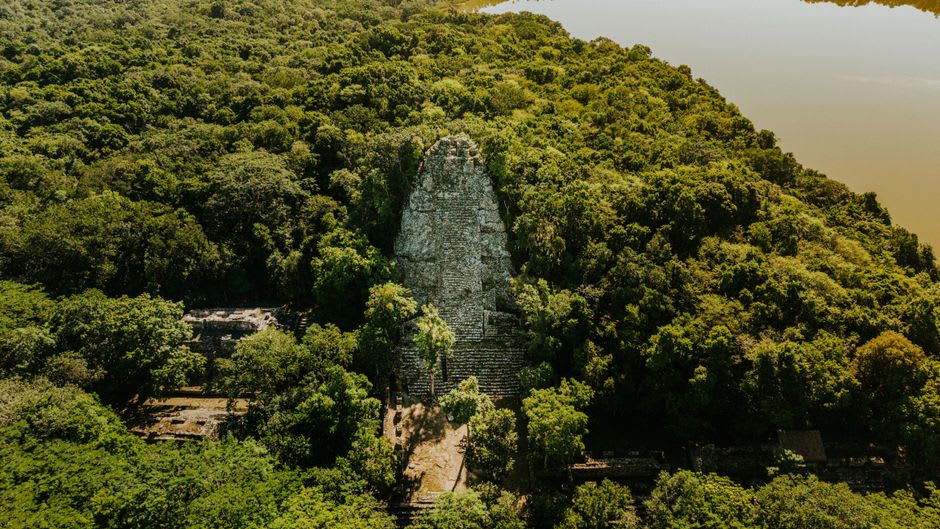
Camping among the ruins that made Tikal look modest
We camped each night on raised wooden platforms near the ruins, hammocks strung between posts, howler monkeys competing with each other across the canopy until well past dark. El Mirador flourished around 300 BC to 100 AD — centuries before Tikal’s golden age — and what struck me most was how humbling that timeline is. This was already an ancient, half-forgotten memory by the time the temples I’d visited at Tikal were being built. Our camp cook, a wiry man who’d done this trek probably five hundred times, pointed out looter pits along the trail where the jungle had swallowed entire structures again within a generation of excavation stopping. Nature does not wait here.
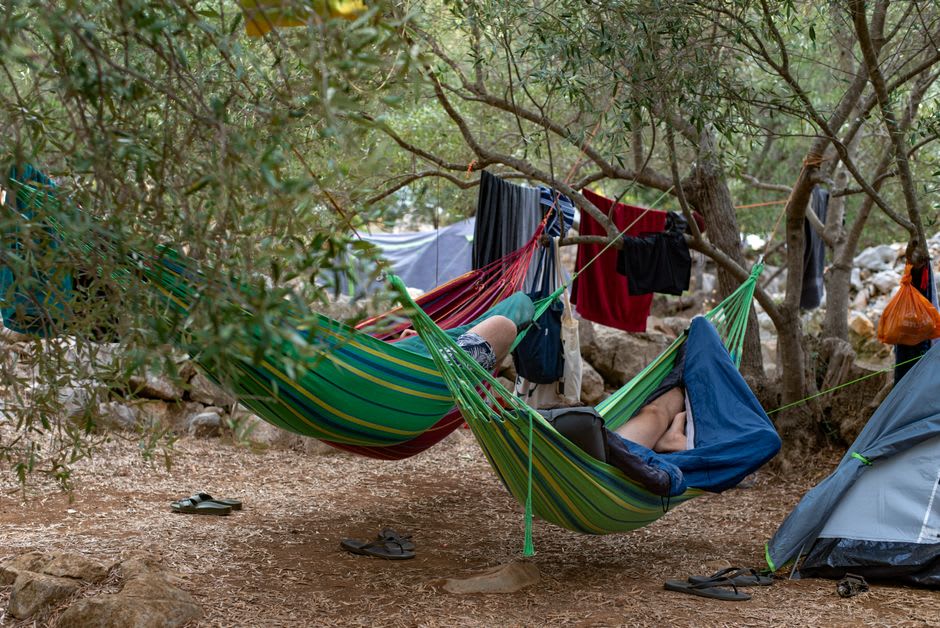
The mules gave out on the return leg — mine simply stopped on the second morning and refused further negotiation — so I walked the last six hours in boots that had not been dry since day one. I would do it again tomorrow.
When to go: Dry season only, late November through April, ideally February when the trails are firmest. If you cannot spare five days, some outfitters now run helicopter day trips from Flores — less romantic, but it is the only alternative to the trek.
Keep exploring
More from Guatemala
 guatemala
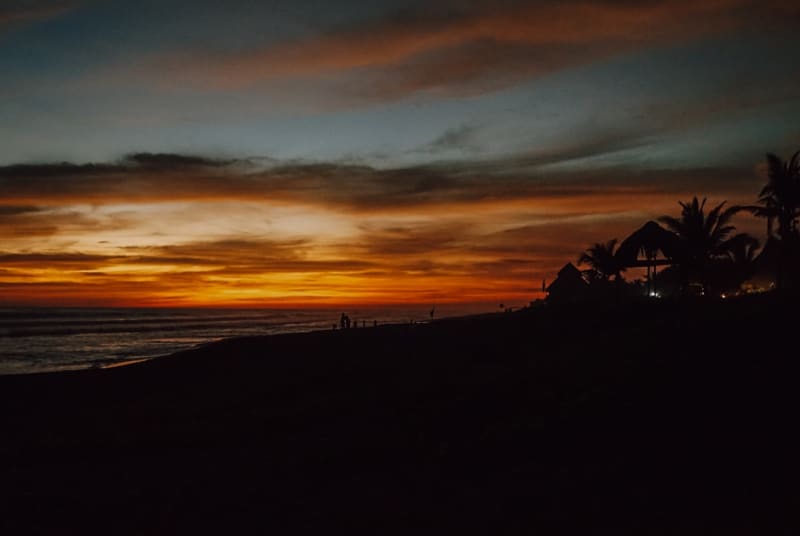
 El Paredón
A black-sand surf village on Guatemala's Pacific coast, wedged between a mangrove estuary and an ocean that hasn't finished being discovered.
Explore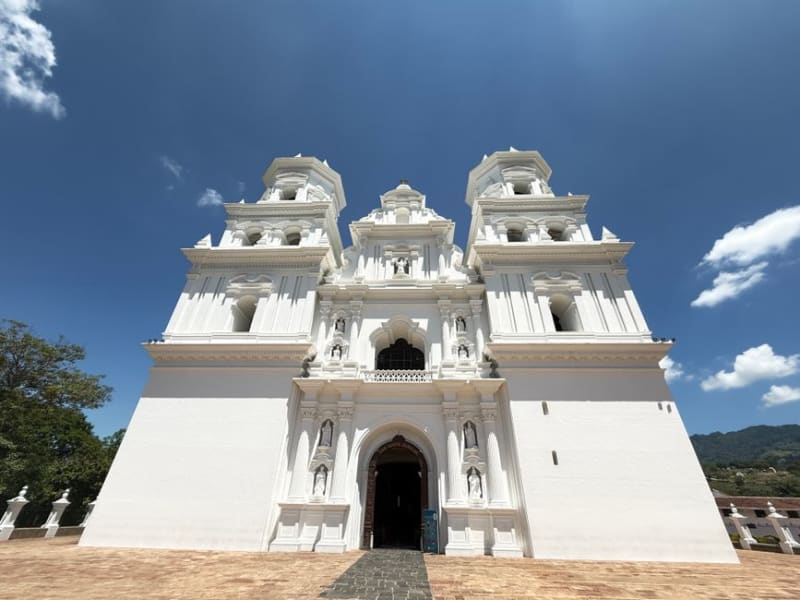 guatemala
 Esquipulas
Central America's holiest pilgrimage town, where a colonial basilica shelters the venerated Black Christ and pilgrims arrive on foot from three countries.
Explore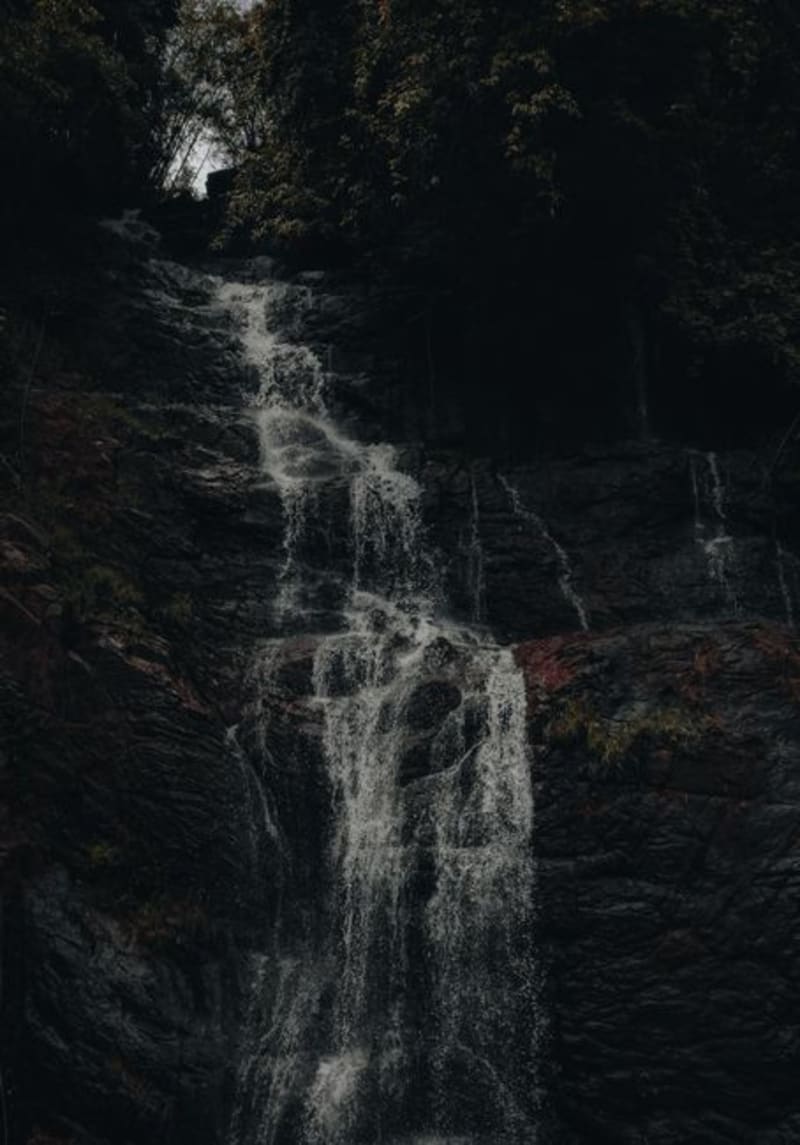 guatemala
 Finca El Paraíso
A scalding waterfall that drops straight into a cold jungle river, so you can stand with one shoulder boiled and the other frozen.
Explore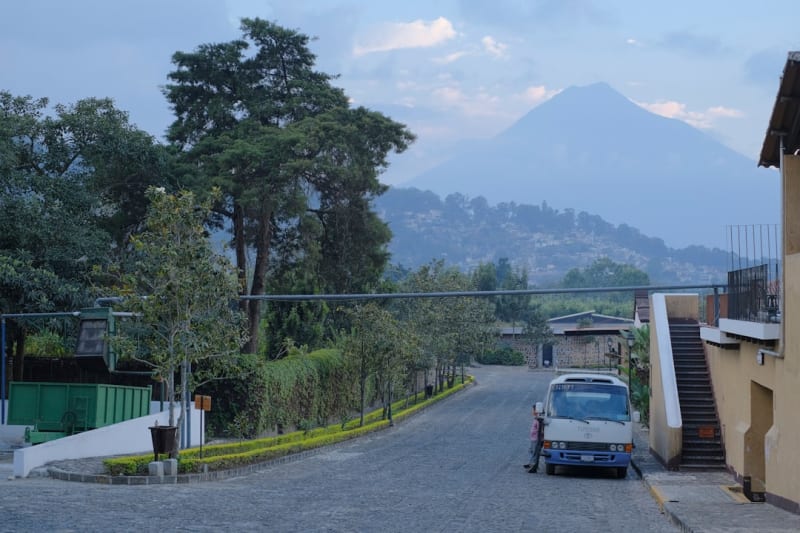 guatemala
 Finca Filadelfia
A working coffee plantation in the hills above Antigua, where the whole slow chain from ripe cherry to poured cup happens in front of you.
Explore guatemala
 Finca La Azotea
A working coffee estate outside Quetzaltenango where the tour ends not at a gift shop but at a Maya textile museum housed in the old drying barns.
Explore guatemala
 Flores and Peten
A pastel island town on Lake Peten Itza, gateway to Tikal's jungle temples and the Maya Biosphere Reserve.
Explore