El Boquerón Canyon
"The canyon walls close in until the sky is just a blue seam above your head, and the boatman stops paddling so you can hear it go quiet."
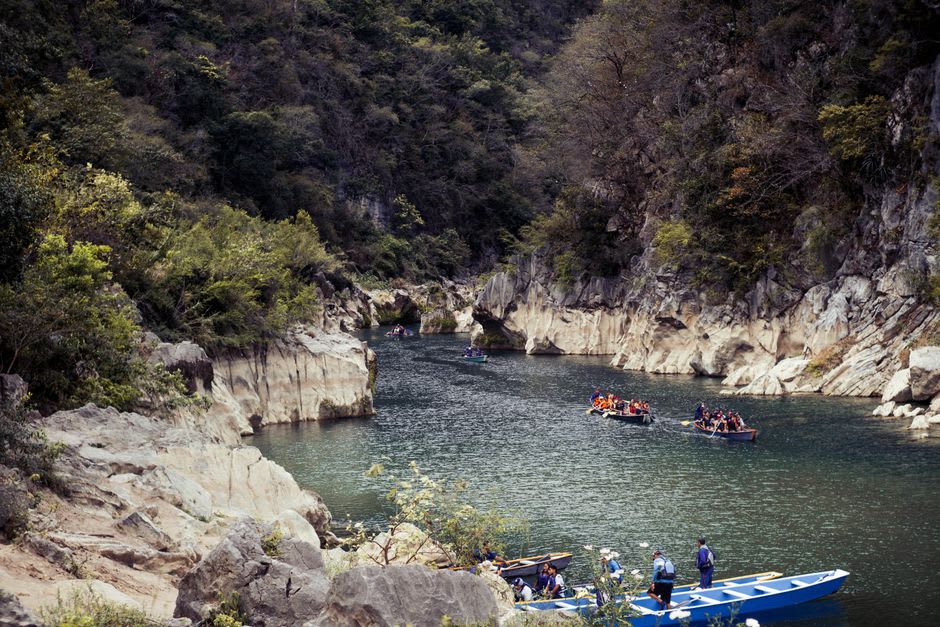
A limestone river canyon near Río Dulce you can only see from a paddle, walls rising so sheer that the sky becomes a thin blue ribbon overhead.
We hired the cayuco at a rickety dock a short tuk-tuk ride from the town of Río Dulce, a hollowed-out wooden canoe paddled by a local guide who barely spoke over the sound of the current for the first stretch. The river here is wide and unremarkable at first, lined with cattle pasture and the odd fisherman’s shack, and I remember wondering if this was going to be one of those overhyped local excursions. Then the banks started to rise. Slowly, then abruptly, limestone walls climbed on both sides until they were sixty, eighty meters overhead, vines and fig roots trailing down the rock face, the river narrowing to a corridor barely wide enough for two boats to pass.
Silence at the narrowest point
At the deepest part of the canyon, our guide stopped paddling entirely and let the boat drift. He didn’t say anything — just held a finger up, and I understood. The sound dropped away almost completely: no birds calling in that stretch, no wind, just water lapping softly against the hull and the occasional drip from the rock overhangs above. I looked straight up and the sky had shrunk to a thin, brilliant blue seam between two dark walls of stone. It’s the kind of scale that photographs never quite capture — you need the smallness of sitting low in a wooden canoe, dwarfed on both sides, to actually register it.
A swim stop under the cliffs
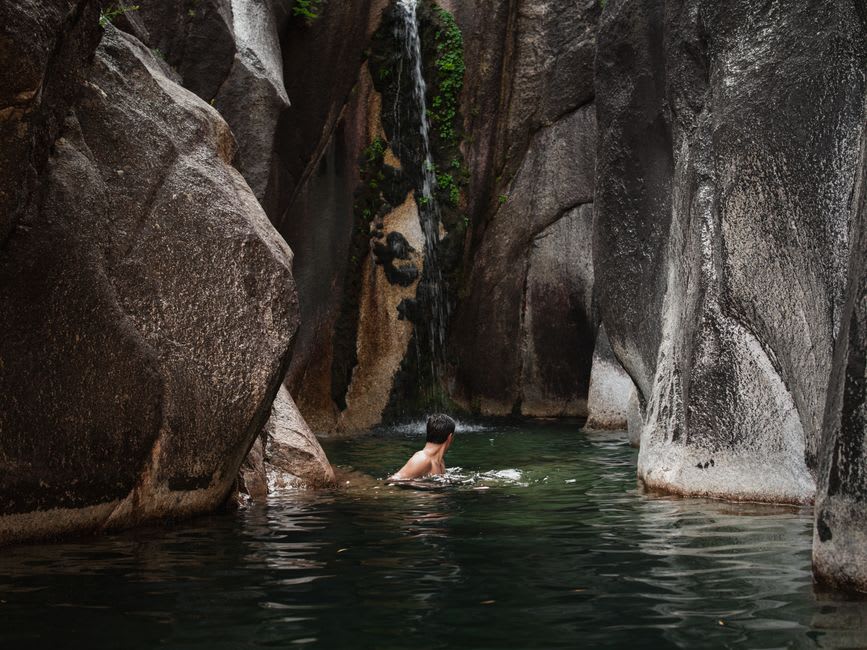
Partway through, the guides pull the boats up to a gravel bank where the water pools deep and still, and everyone gets out to swim. I jumped in expecting river-warm water and got a genuine shock of cold instead — the canyon walls keep this stretch shaded most of the day, and the water pools deep enough that sunlight barely reaches the bottom. Floating on my back, staring straight up at the rock towering on both sides with swifts cutting across that narrow strip of sky, was worth the whole trip on its own. Some guides also point out a smaller side cave partway along, reachable only by wading, where the river has carved a shallow grotto into the limestone.
It’s an easy half-day trip from Río Dulce or Livingston, and I’d pair it with lunch at one of the floating restaurants back near the bridge — grilled fish, cold Gallo beer, watching the boat traffic that makes this whole waterway feel more like a highway than a wilderness.
When to go: Dry season (November to April) for calmer water and better visibility for the swim stop. Go in the morning before the afternoon boat traffic picks up and while the canyon light is still soft.
Keep exploring
More from Guatemala
 guatemala
 El Mirador
A pre-classic Maya megacity swallowed by the deepest jungle in Petén, reachable only by a five-day mule trek or a helicopter, crowned by one of the largest pyramids ever built.
Explore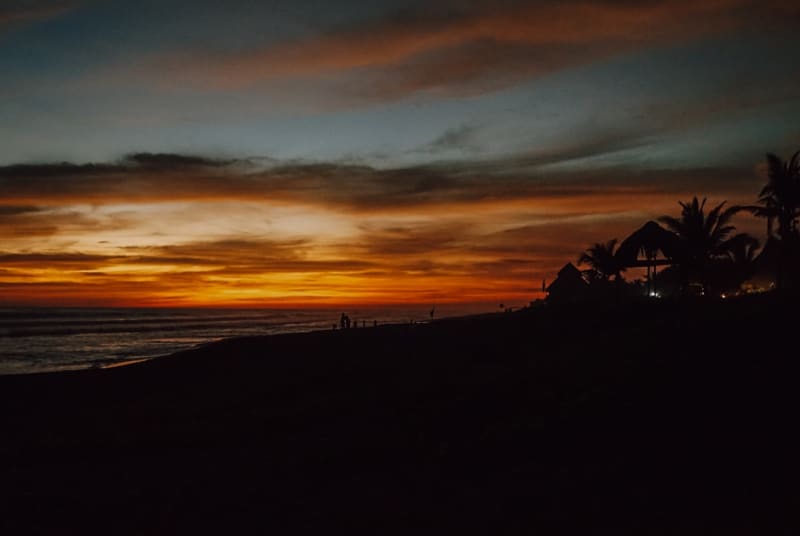 guatemala
 El Paredón
A black-sand surf village on Guatemala's Pacific coast, wedged between a mangrove estuary and an ocean that hasn't finished being discovered.
Explore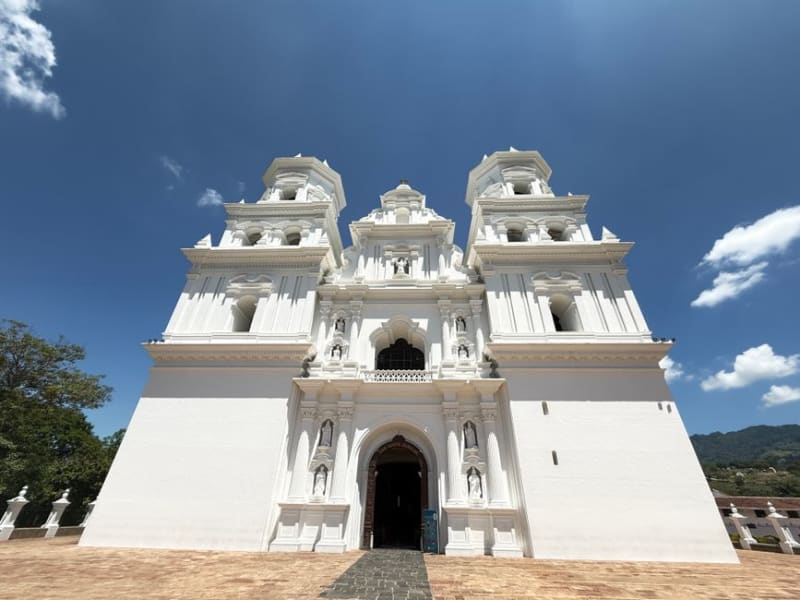 guatemala
 Esquipulas
Central America's holiest pilgrimage town, where a colonial basilica shelters the venerated Black Christ and pilgrims arrive on foot from three countries.
Explore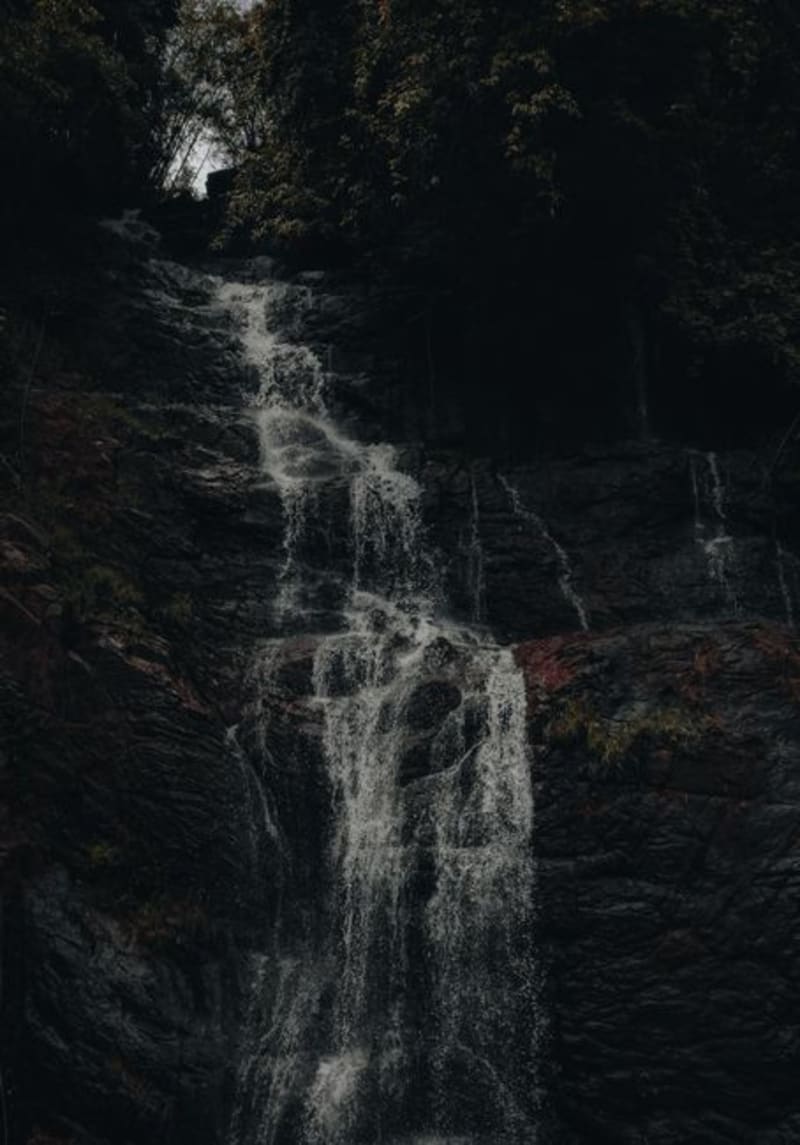 guatemala
 Finca El Paraíso
A scalding waterfall that drops straight into a cold jungle river, so you can stand with one shoulder boiled and the other frozen.
Explore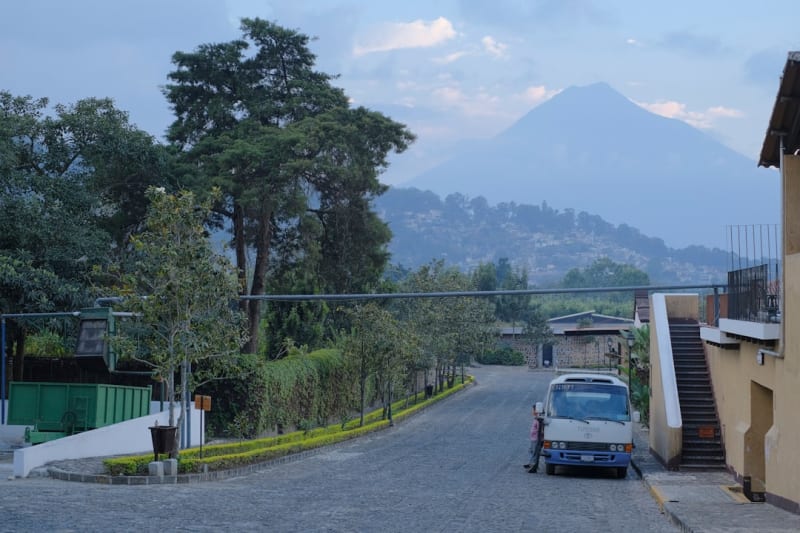 guatemala
 Finca Filadelfia
A working coffee plantation in the hills above Antigua, where the whole slow chain from ripe cherry to poured cup happens in front of you.
Explore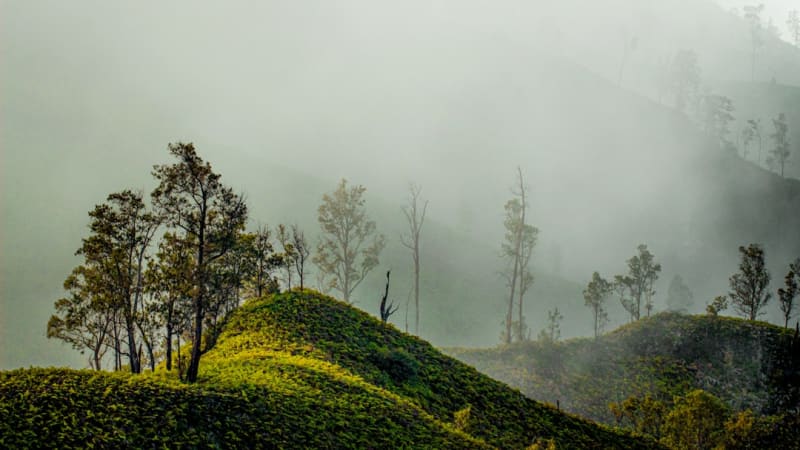 guatemala
 Finca La Azotea
A working coffee estate outside Quetzaltenango where the tour ends not at a gift shop but at a Maya textile museum housed in the old drying barns.
Explore