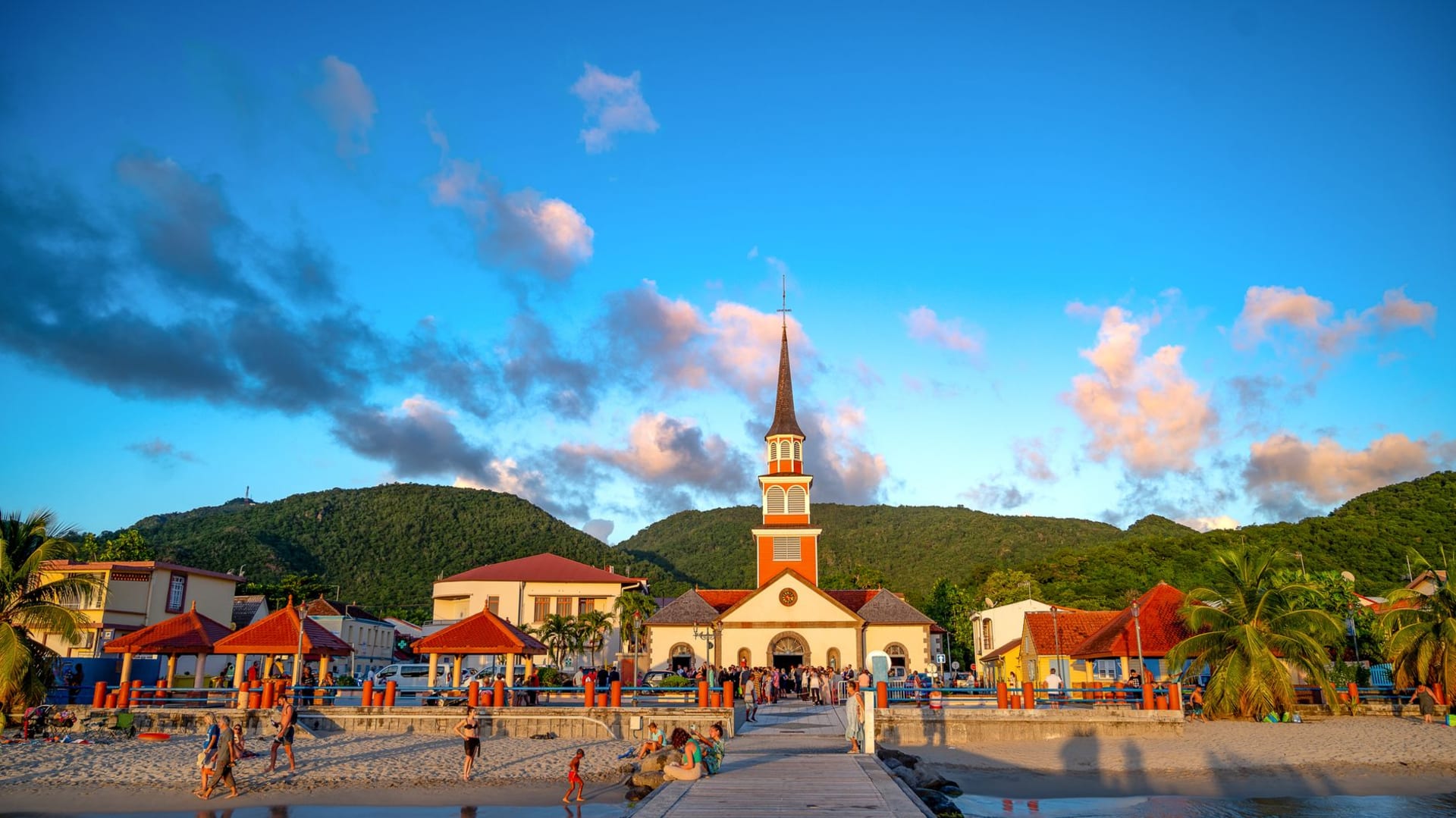
Saint-François
"Saint-François is where Guadeloupe lets itself be a little bit postcard — and honestly, it's earned the right."
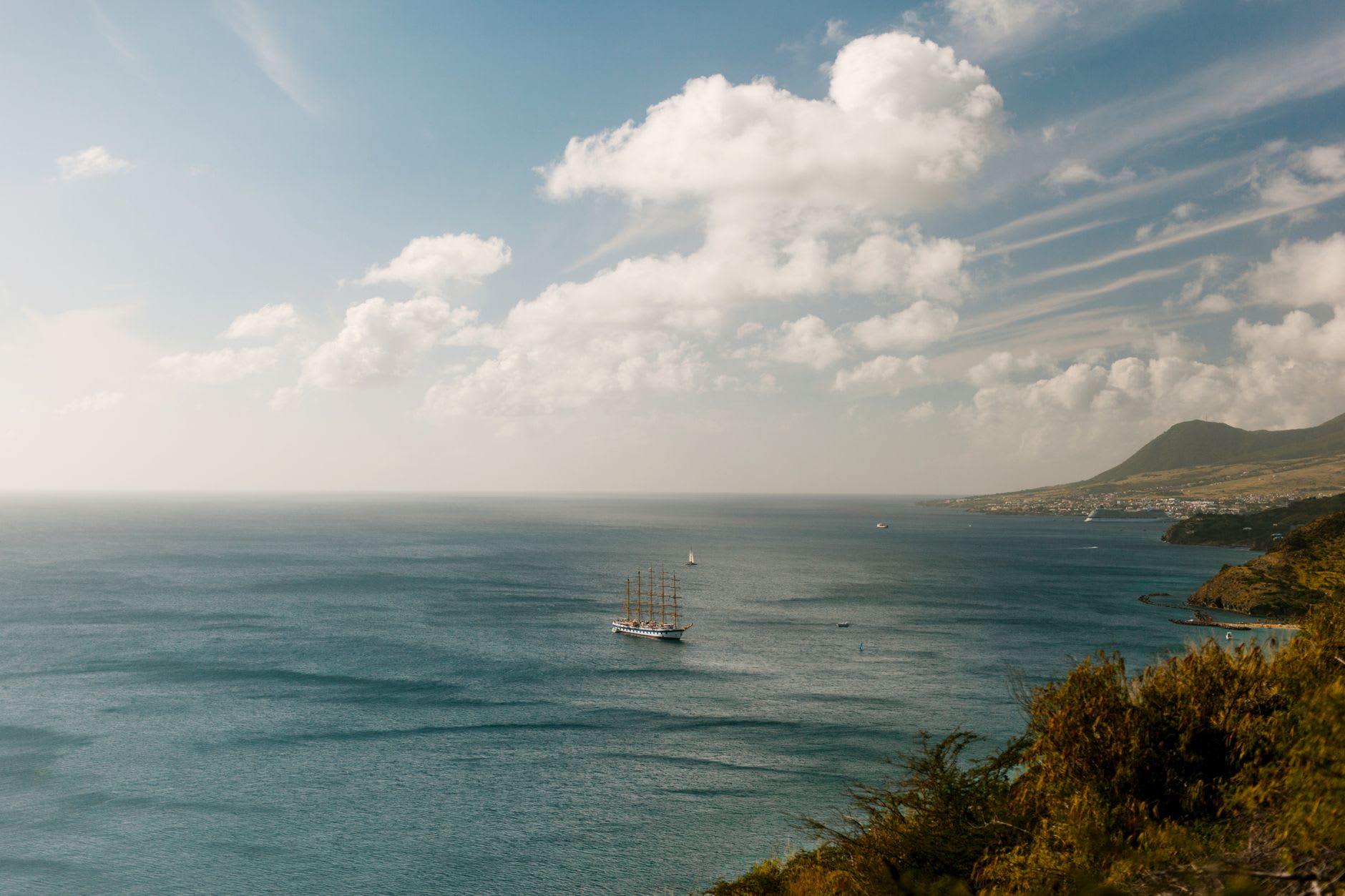
I walked to the beach before six, when the light was still the pale yellow of early morning and the lagoon was completely flat. It is the particular quality of the Saint-François lagoon — a large, shallow, reef-protected stretch of water on the south coast of Grande-Terre — that at certain times of day and certain angles of light, it produces a palette of blues and greens that seems actively implausible. Standing at the water’s edge in the first hour after dawn, I found myself running through every blue adjective I knew and arriving at the conclusion that none of them were specific enough. The water was the color of water at its most successful.
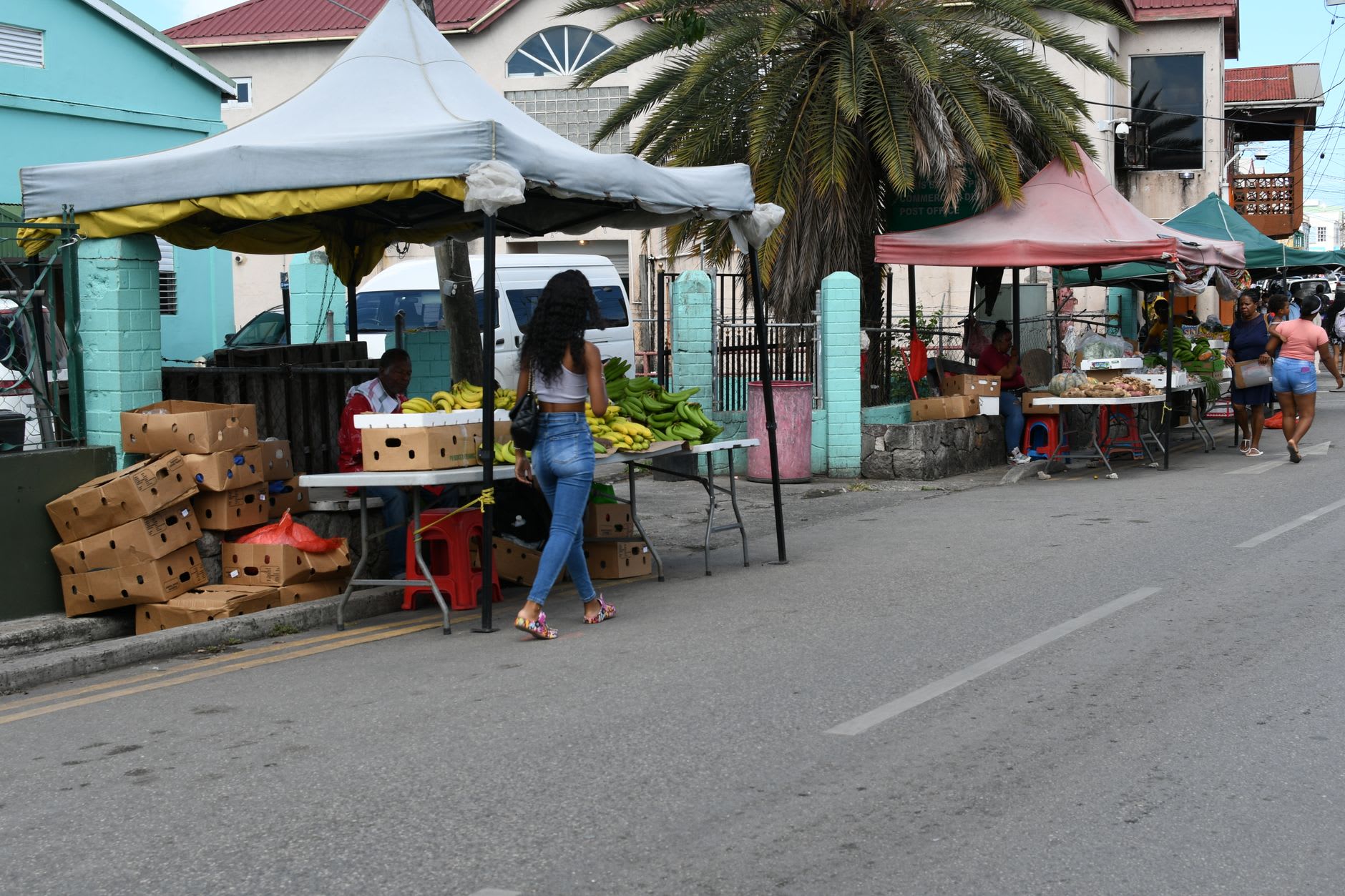
The town behind the beach is one of the more carefully maintained places on the island. The marina holds a mix of fishing boats and the kind of sailing yachts that suggest their owners have worked out an arrangement with time. The central market on Saturday mornings operates under a large open-air shelter and sells a combination of local produce — mangoes and avocados and the small intensely flavored bananas that don’t travel well — alongside the tourist trade in vanilla pods and colombo spice kits and bottles of ti punch made to look decorative. I bought vanilla from an older woman who insisted I smell three different grades and explained the differences with the specificity of someone who had grown and cured them herself. She had.
What Saint-François does particularly well is the transition between sea and town. The beach runs east toward the headland at Pointe des Châteaux, and this stretch of coast — a walking trail that takes about two hours at a reasonable pace — is one of those paths that seems designed to remind you that the sea exists and is enormous and is entirely indifferent to your travel plans. The vegetation thins as you move east, the Caribbean scrub giving way to low succulents and then bare limestone rock, and the water shifts from the protected lagoon blue to the harder, more intense blue of the open Atlantic.
The food in Saint-François skews more toward the restaurant end than the market-stall end, which means it is more expensive and more reliable by French standards. I had grilled wahoo at a table twelve meters from the water, dressed with a colombo cream sauce that someone had clearly thought about at length, and a glass of the local rosé that nobody told me existed but which turns out to be perfectly adequate given the setting. The setting will carry a mediocre wine a long way, and this wine was not mediocre.
When to go: Saint-François is pleasant year-round, with the lagoon conditions best for watersports (kitesurfing, windsurfing, sailing) from December through April when the trade winds blow consistently. The Saturday market is worth planning around if you’re timing your visit. Like everywhere on Grande-Terre, the late July to August period brings the full weight of French holiday crowds — not unpleasant, but noticeably more compressed.