Pointe-Noire
"We came for the wood carvers and stayed for the sound of waves hitting black rock."
A windswept woodworking town on Basse-Terre's black-sand coast, where cocoa history and cabinetmaking traditions run deeper than the tourist trail.
We almost drove past Pointe-Noire. Lia was reading the map on her phone and said something like “there’s a wood museum in twenty minutes,” and I nearly kept going toward Deshaies because that’s where everyone tells you to go on Basse-Terre’s west coast. I’m glad we didn’t. The road curls along cliffs the whole way in, and by the time we parked near the center, I already felt like we’d found the part of Guadeloupe nobody puts on postcards.
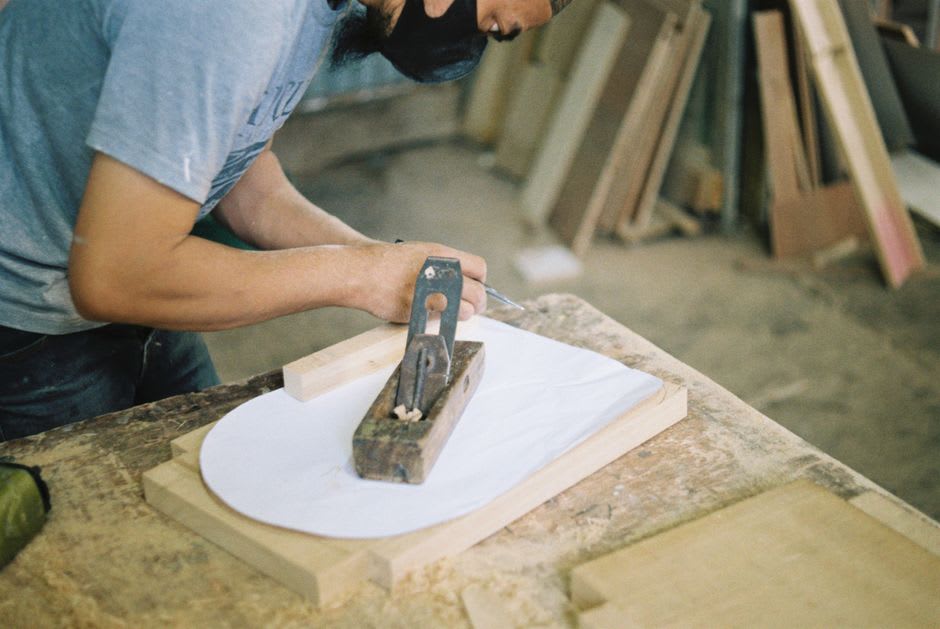
The Maison du Bois was the reason we stopped, and it turned out to be one of those small museums that says more than it looks like it will. Pointe-Noire has been a woodworking town for generations, carving furniture and instruments out of gum tree and mahogany pulled from the surrounding forests, and you can feel that history in the smell of the workshop rooms before you even read a placard. An older craftsman was working a lathe in the back when we visited, and he barely looked up, like tourists wandering through was just part of the noise of his day.
From there we walked down toward the harbor, which is really just a handful of fishing boats pulled up on black volcanic sand, nothing like the manicured marinas further south. Lia wanted to see the Maison du Cacao next, and I’ll admit I went in mostly for the free chocolate tasting at the end, but I came out actually thinking about how central cocoa growing was to this whole region long before rum took over the island’s reputation. Standing on that black sand afterward, cliffs rising up behind us, it was obvious why this coast looks so different from Grande-Terre — this is volcanic ground, raw and dark, while the other side of the island sits on old coral reef.
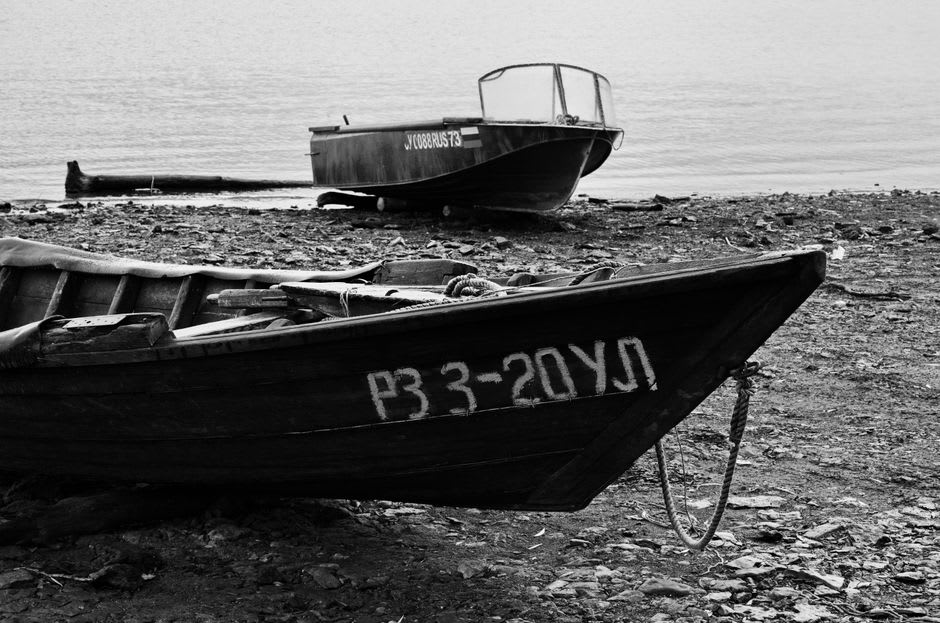
We ended up staying longer than planned, eating grilled fish at a plastic table by the harbor while the light went orange over the water. It’s a town that doesn’t perform for visitors, and that was exactly the appeal — Pointe-Noire felt like it belonged to the people who carve the wood and haul in the fish, and we were just lucky to pass through.
When to go: We visited in the dry season between December and May, and I’d recommend the same — the coastal road along Basse-Terre’s windward side can get rough in the wetter months, and clear skies make the cliffside views worth the drive.
Keep exploring
More from Guadeloupe
 guadeloupe
 Saint-François
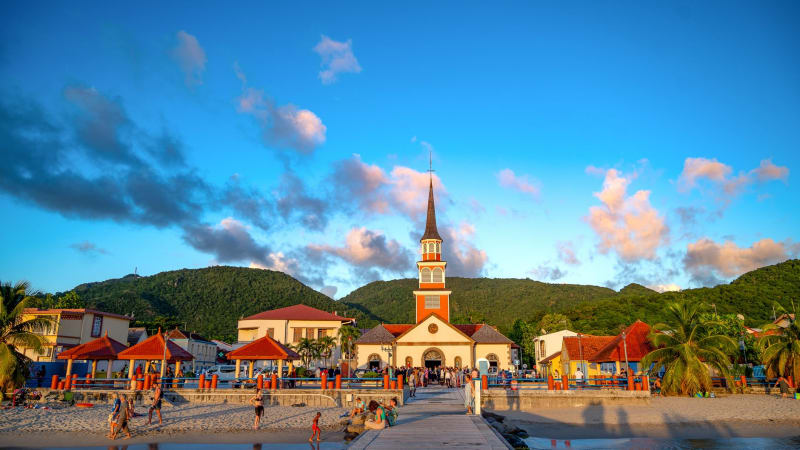
Grande-Terre's most polished beach town, where the lagoon turns every shade of turquoise before breakfast and the boulangerie opens at six.
Explore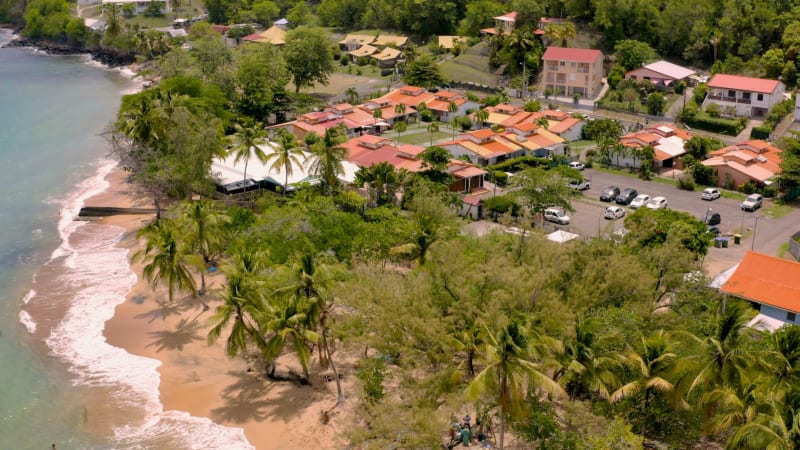 guadeloupe
 Basse-Terre
The capital most visitors skip entirely — a crumbling, fragrant Creole city that rewards those who stay for the market.
Explore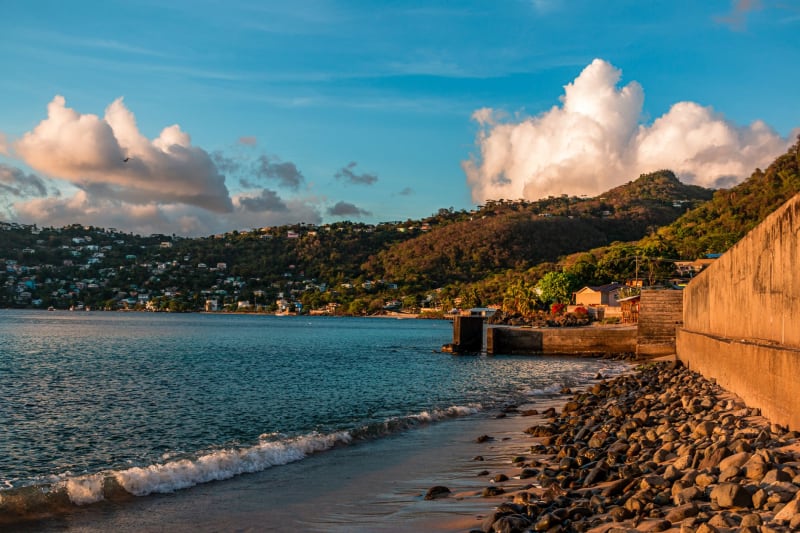 guadeloupe
 Bouillante
A west coast fishing village where sea turtles surface between dive boats, geothermal vents heat the sea floor, and the coral is some of the best in the Lesser Antilles.
Explore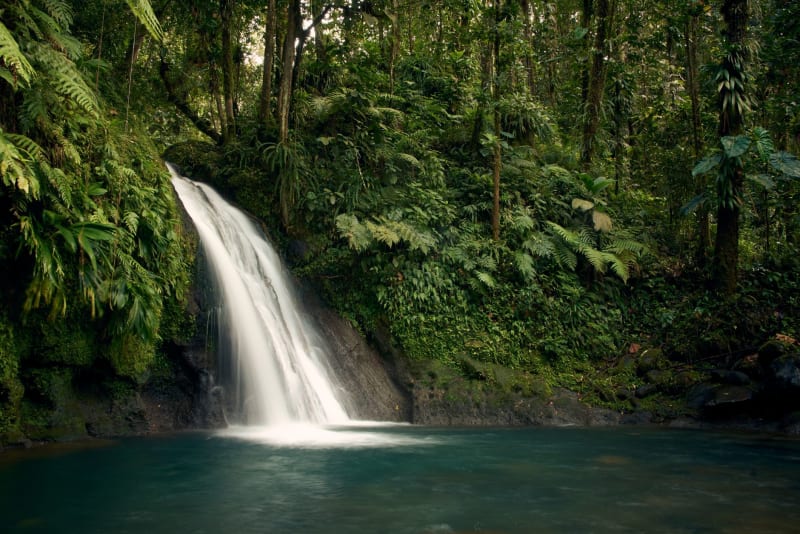 guadeloupe
 Chutes du Carbet
Three waterfalls plunging through an absurdly dense rainforest — the second drops two hundred meters in an uninterrupted curtain of white water.
Explore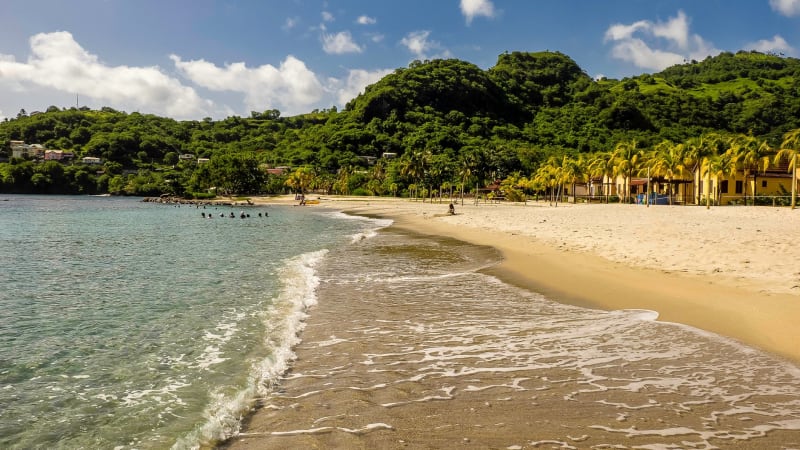 guadeloupe
 Deshaies
A fishing village on Basse-Terre's northwest coast that manages to be genuinely beautiful without appearing to try.
Explore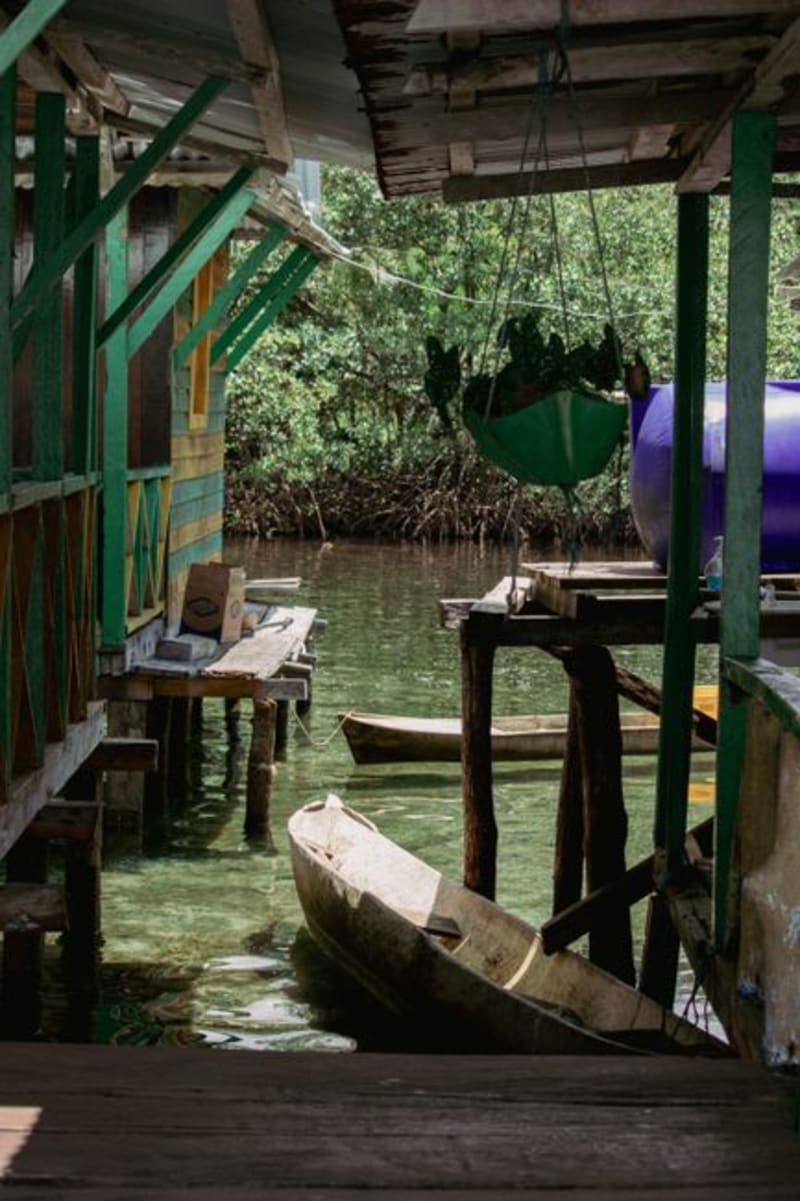 guadeloupe
 Grand Cul-de-Sac Marin
A vast mangrove-fringed lagoon between Guadeloupe's two wings, where wooden fishing cabins stand on stilts and manatees still hide.
Explore