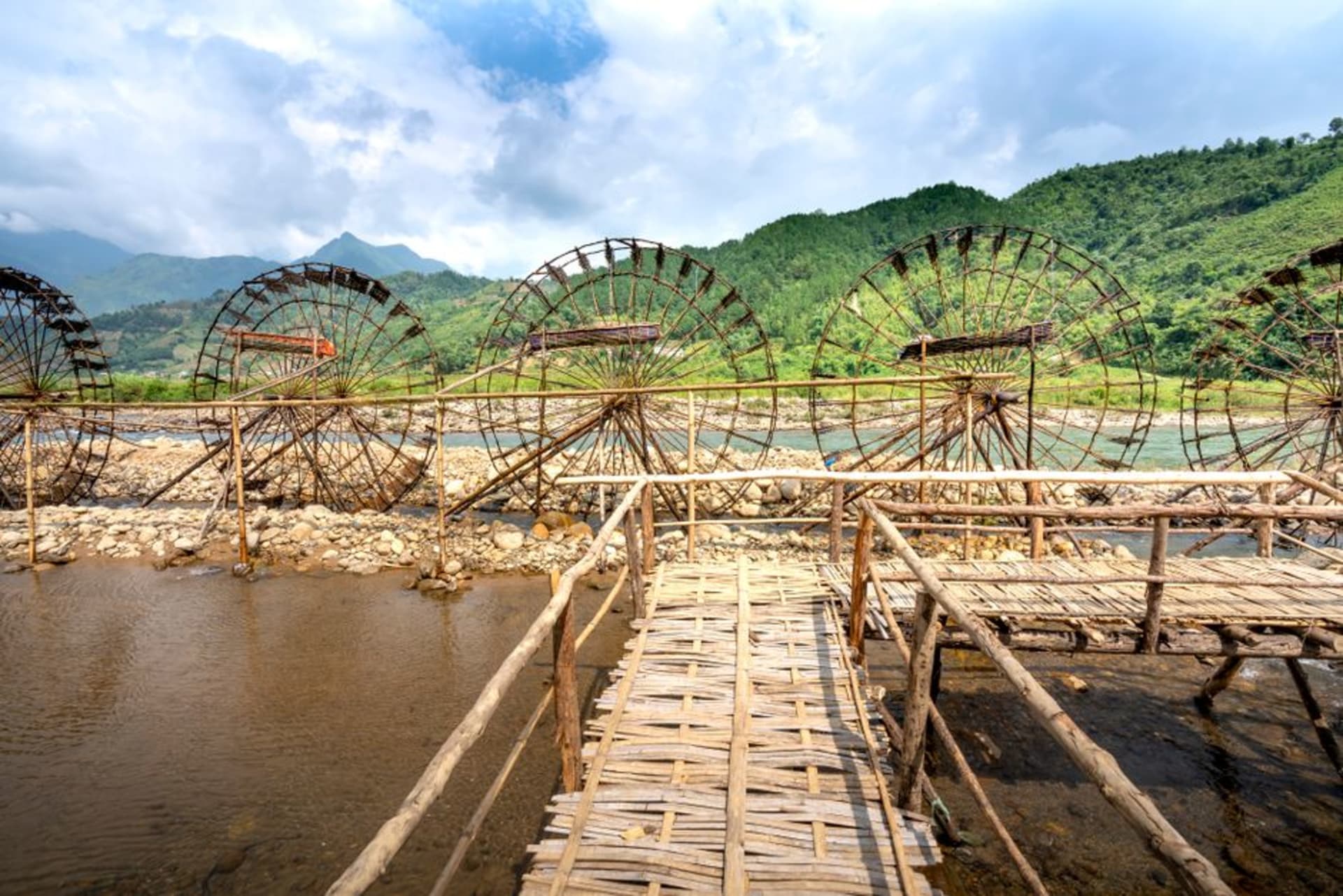
River Antoine Rum Distillery
"Two centuries later, the wheel is still turning and the rum still bites."
A working 1785 water-wheel distillery in St. Patrick parish, where hand-fed cane and copper pots still make Grenada's fiercest rum.
Lia found River Antoine on a torn page of a guidebook someone had left behind in our guesthouse in Sauteurs, and she just said, “we’re going.” I didn’t argue. We drove down into St. Patrick parish on a Tuesday morning, windows down, and I remember the smell reaching us before the building did — something sweet and slightly burnt, like caramel left too long on the stove. That’s cane juice reducing in open copper pots, and once you’ve smelled it you don’t forget it.
What got me wasn’t the age of the place, though 1785 is no joke — it’s that nobody has tried to make it pretty for tourists. This is still a working plantation. Men were hand-feeding stalks of cane into the crushing rollers while we stood there, and the whole operation runs on the same wooden waterwheel that’s been turning since the eighteenth century, no diesel generator standing in as backup. I asked our guide if it ever stops, and he just laughed and said only when the water does.
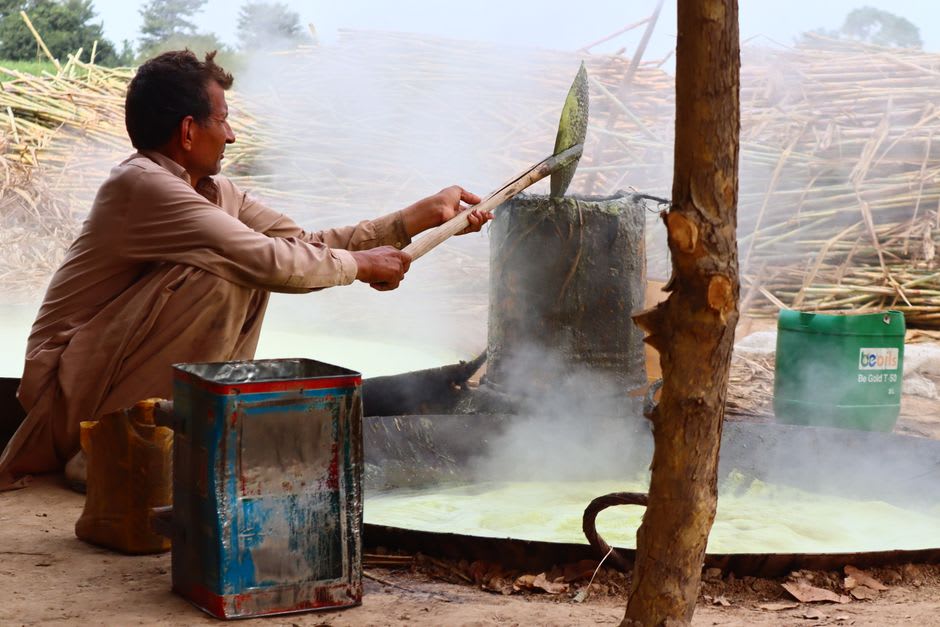
We ended the visit the way everyone does, with a small plastic cup of unaged River Antoine rum, and I won’t pretend I handled it gracefully. It’s bottled so high-proof that some airlines won’t let you carry it on a plane, and one sip explained why — it hit the back of my throat like it had somewhere urgent to be. Lia took a much smaller taste and spent the next ten minutes laughing at me, which was fair.
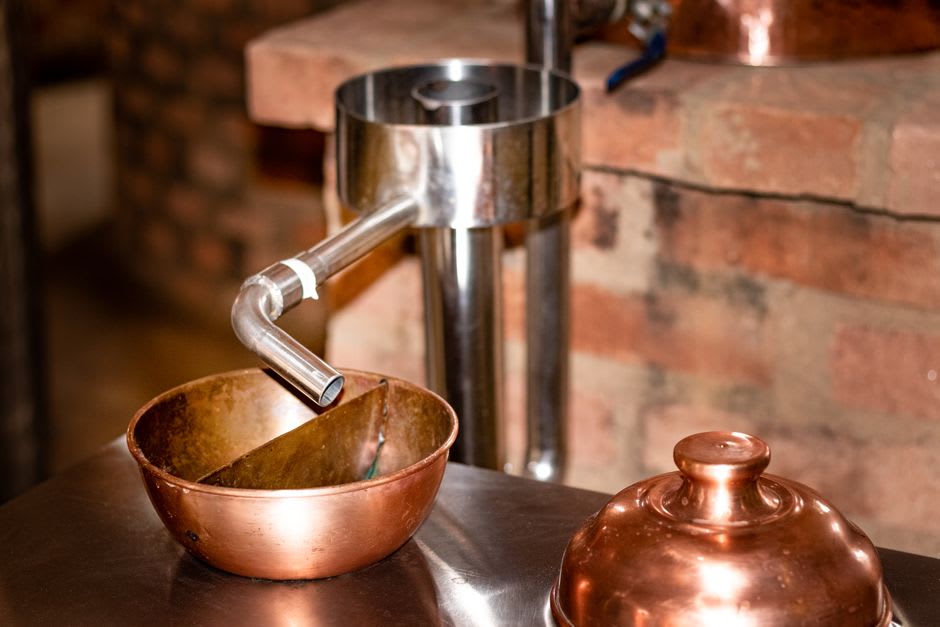
What stays with me is how ordinary it all felt to the people running it — for them this isn’t heritage theater, it’s Tuesday. That’s the thing that separates River Antoine from every polished rum-tasting tour I’ve done elsewhere in the Caribbean.
When to go: Aim for a weekday morning between January and June, during cane harvest, when the mill is actually crushing and the whole place smells like it’s mid-shift rather than mid-nap.