Qeqertarsuaq
"Some towns you visit. Qeqertarsuaq you drift into, past the ice, and don't quite want to leave."
A black-sand town on Disko Island where basalt cliffs, drifting icebergs, and a century-old research station meet the midnight sun.
I’ll admit it took me three tries to say “Qeqertarsuaq” without stumbling, and by the time Lia and I finally stepped off the boat onto the black volcanic sand, I’d more or less given up and just started calling it “the town on Disko Island” in my head. That’s how most people still half-know it, actually — under its old Danish name, Godhavn, from when it was founded in 1773 as a trading post. You can feel that layered history the second you walk up from the harbor: low wooden houses in faded reds and blues, a scatter of colonial-era buildings, and a wooden church from 1915 that looked, in the flat Arctic light, almost too perfect to be real.
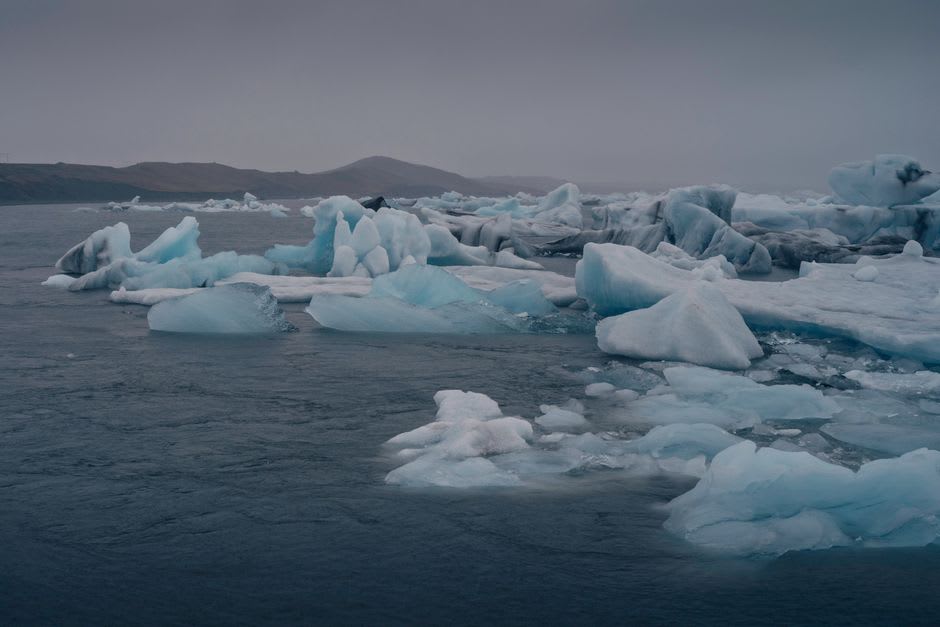
We’d come up from Ilulissat on a small boat, weaving between ice floes that ranged from gravel-sized to genuinely alarming, and by the time we reached the southern coast of Disko Island I was cold in a way I hadn’t planned for in July. Lia had the better instinct and packed a proper down layer; I had a fleece and a lot of confidence. Neither served me particularly well standing at the harbor’s edge watching pack ice slide by in Disko Bay while the basalt cliffs behind town caught the last non-setting light of the evening.
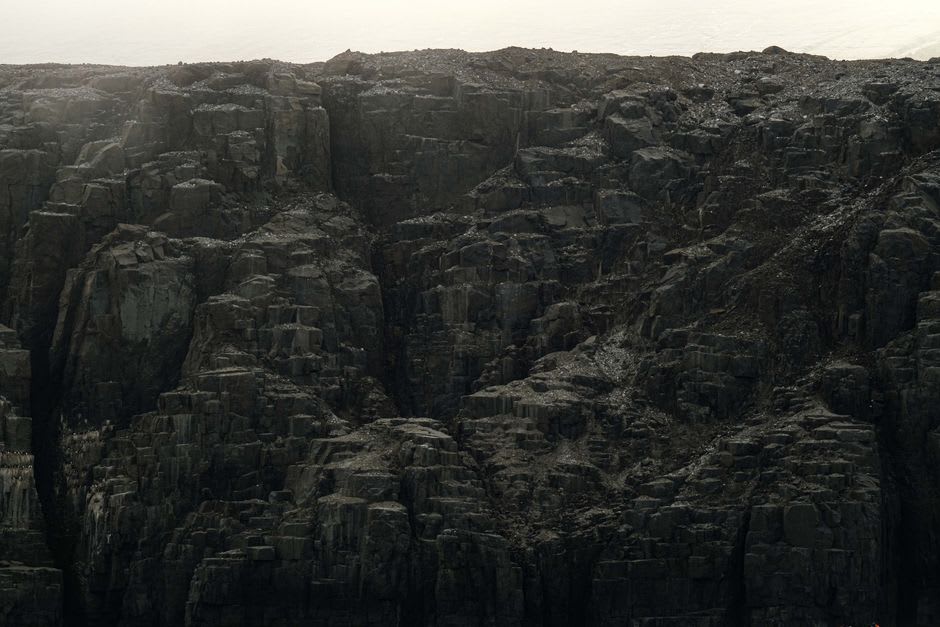
What I didn’t expect was how much of our two days there ended up revolving around a research station. The Arctic Station, tucked at the edge of town, has been run by the University of Copenhagen since 1906, and a researcher we got talking to at the town’s one real café — over surprisingly good coffee, considering — walked us through just how long that continuity has meant: more than a century of the same institution studying the same patch of Arctic coastline. I’m not a scientist, not remotely, but standing there listening to him describe what they track now versus what the first biologists logged in the early 1900s made the whole island feel less like scenery and more like an open, ongoing experiment we’d wandered into.
We spent our last evening walking the black beach below the cliffs, Lia collecting smooth basalt stones while I mostly just stared at the icebergs stacking up offshore, backlit and glowing faintly under a sun that never really set. It’s a strange, quiet kind of beautiful — nothing dramatic happens, and yet I remember it more vividly than places where everything did.
When to go: Visit June through August, when the boats can actually reach the island reliably and the midnight sun keeps the black-sand beach lit well past any sensible bedtime.
Keep exploring
More from Greenland
 greenland
 Scoresby Sund
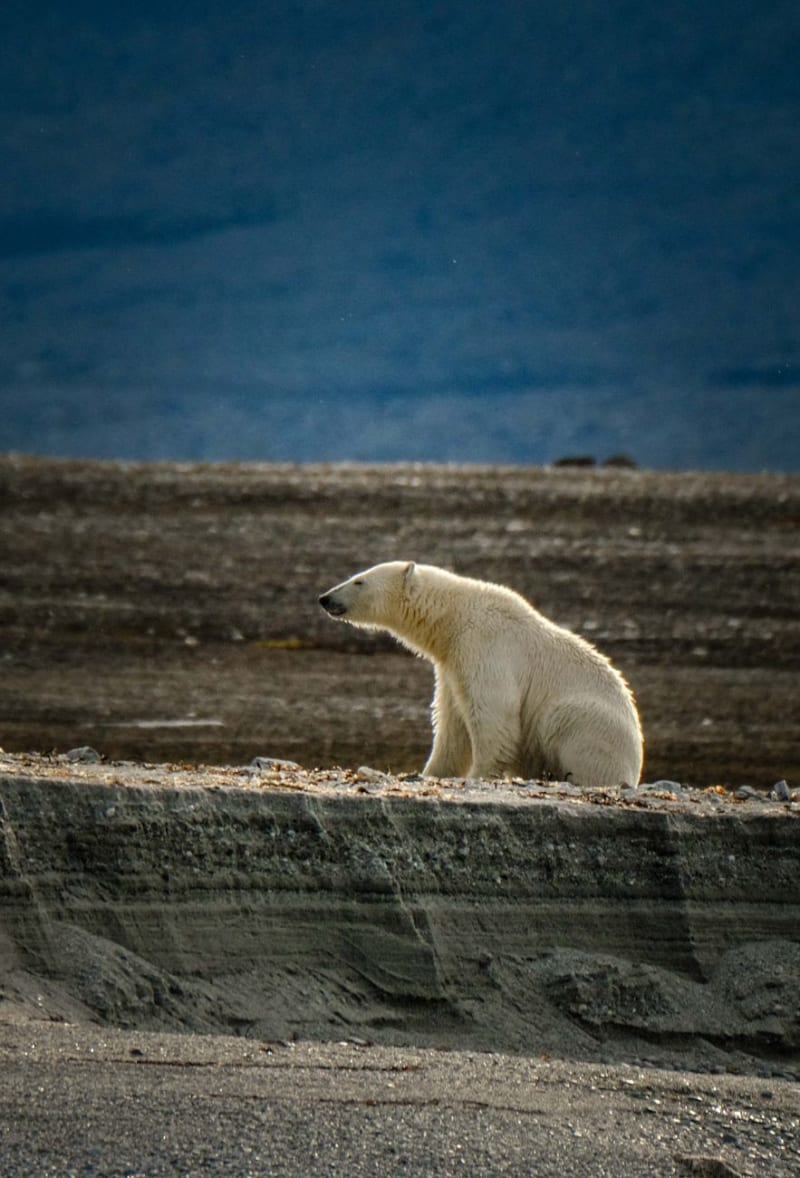
The largest fjord system on earth, a labyrinth of ice-choked channels on Greenland's remote east coast guarded by the tiny settlement of Ittoqqortoormiit.
Explore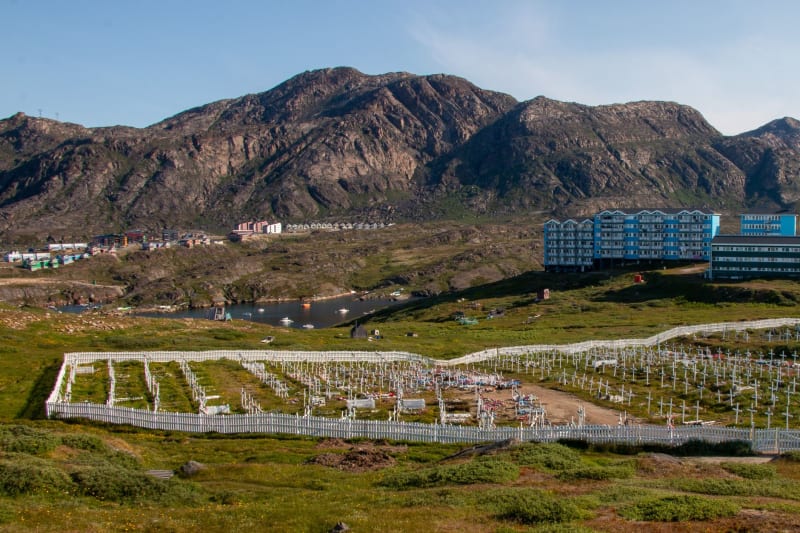 greenland
 Sisimiut
Greenland's second city sits above the Arctic Circle and takes winter as a personal challenge rather than an inconvenience.
Explore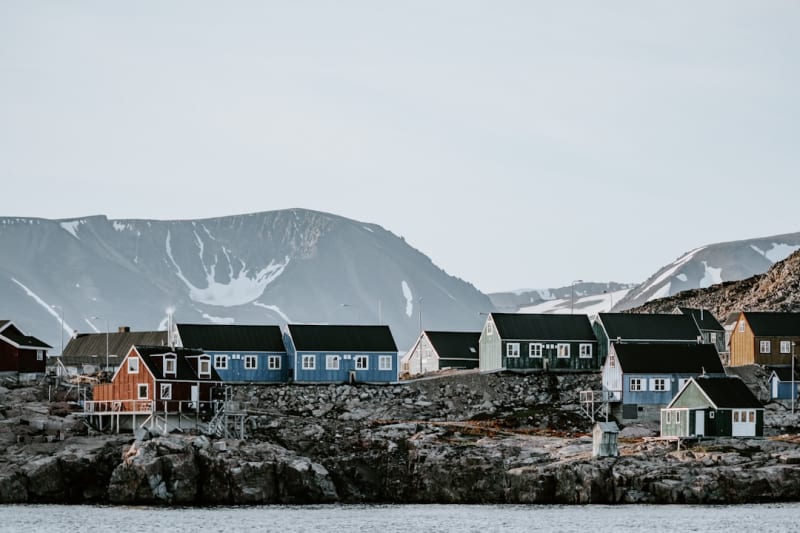 greenland
 Tasiilaq
East Greenland's remote hub, ringed by jagged peaks and sea ice, where the 20th century arrived late and left marks.
Explore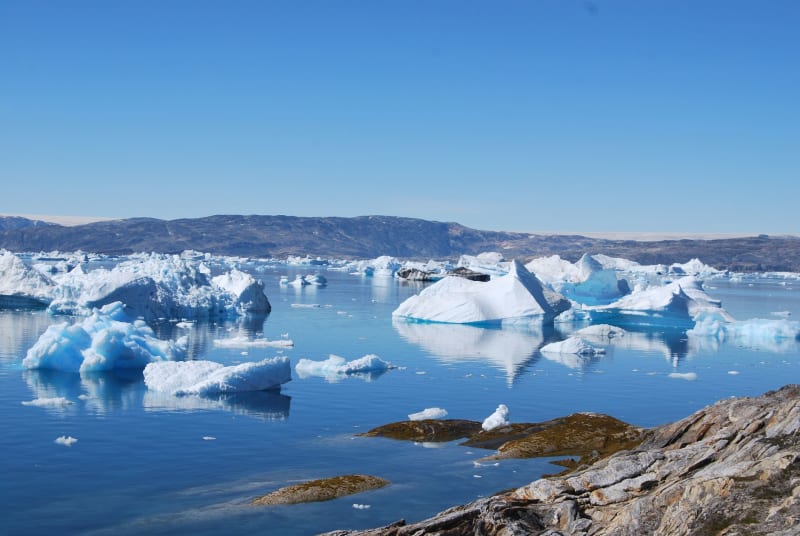 greenland
 Tiniteqilaaq
A village of eighty people at the edge of East Greenland, reachable only by boat or helicopter, where time still moves with the ice.
Explore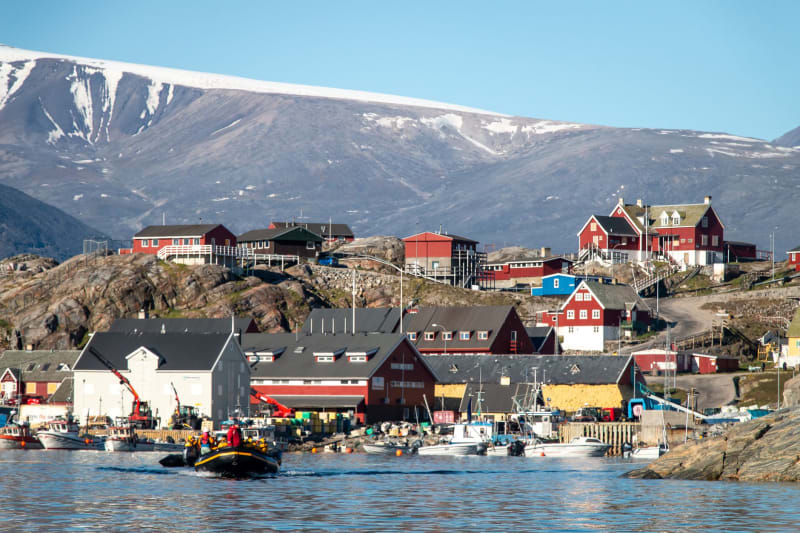 greenland
 Uummannaq
A fishing community built on a heart-shaped island beneath a 1,170-metre peak of red gneiss that turns the surrounding fjord into theatre.
Explore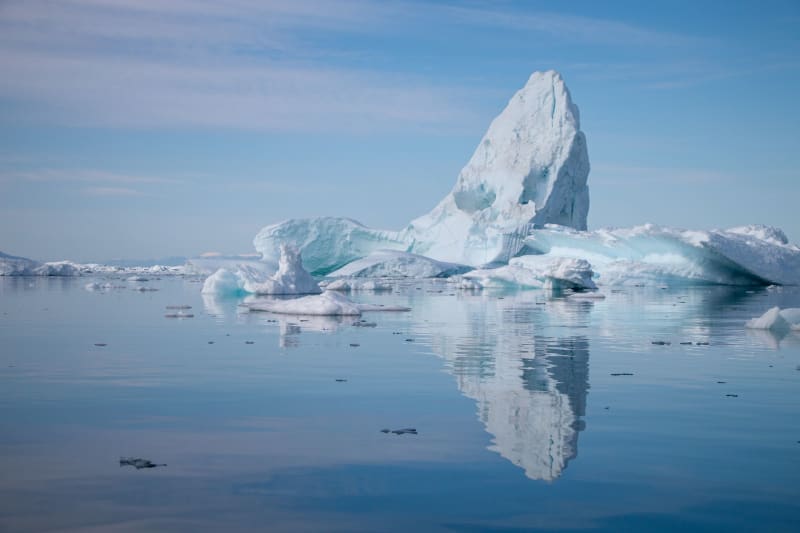 greenland
 Disko Island
A volcanic island of basalt cliffs and hot springs rising from Disko Bay, where musk oxen graze above the icebergs.
Explore