
Qaanaaq
"At 77 degrees north, the compass gets confused and so do you — but the hunters know exactly where they are."
Qaanaaq sits at 77 degrees north latitude, which places it above the Arctic Circle by eleven degrees, above the northernmost tip of Norway, above the permanent pack ice that begins not far offshore. Getting there from anywhere else in Greenland requires a flight from Ilulissat, and the flight itself feels like a statement: two hours north with the ice sheet to your right and the frozen Kane Basin to your left, and the world below getting progressively emptier and whiter until the town appears — perhaps 650 people on a slope above a bay that is frozen for eight months of the year. I landed in October, just before the polar night descended, and the light was already extraordinary: low, amber, directional in a way that turned every ordinary surface into something worth looking at.
The Inughuit people of Qaanaaq — a distinct cultural group within Greenlandic Inuit society — are among the last communities in the world where traditional skin-boat and dog-sled hunting is not a heritage demonstration but an active, ongoing way of obtaining food. The hunters go out onto the spring sea ice for narwhal, walrus, polar bear (with traditional permits), and ringed seal. The qajaq — the traditional kayak — is still paddled here by hunters who learned from their fathers. At the museum in town, the collection is small but specific: tools, clothing, hunting implements, all recently used rather than displayed as remnants. The woman who runs the museum told me, with evident pride, that the children in Qaanaaq school learn dog sled driving as part of the regular curriculum.
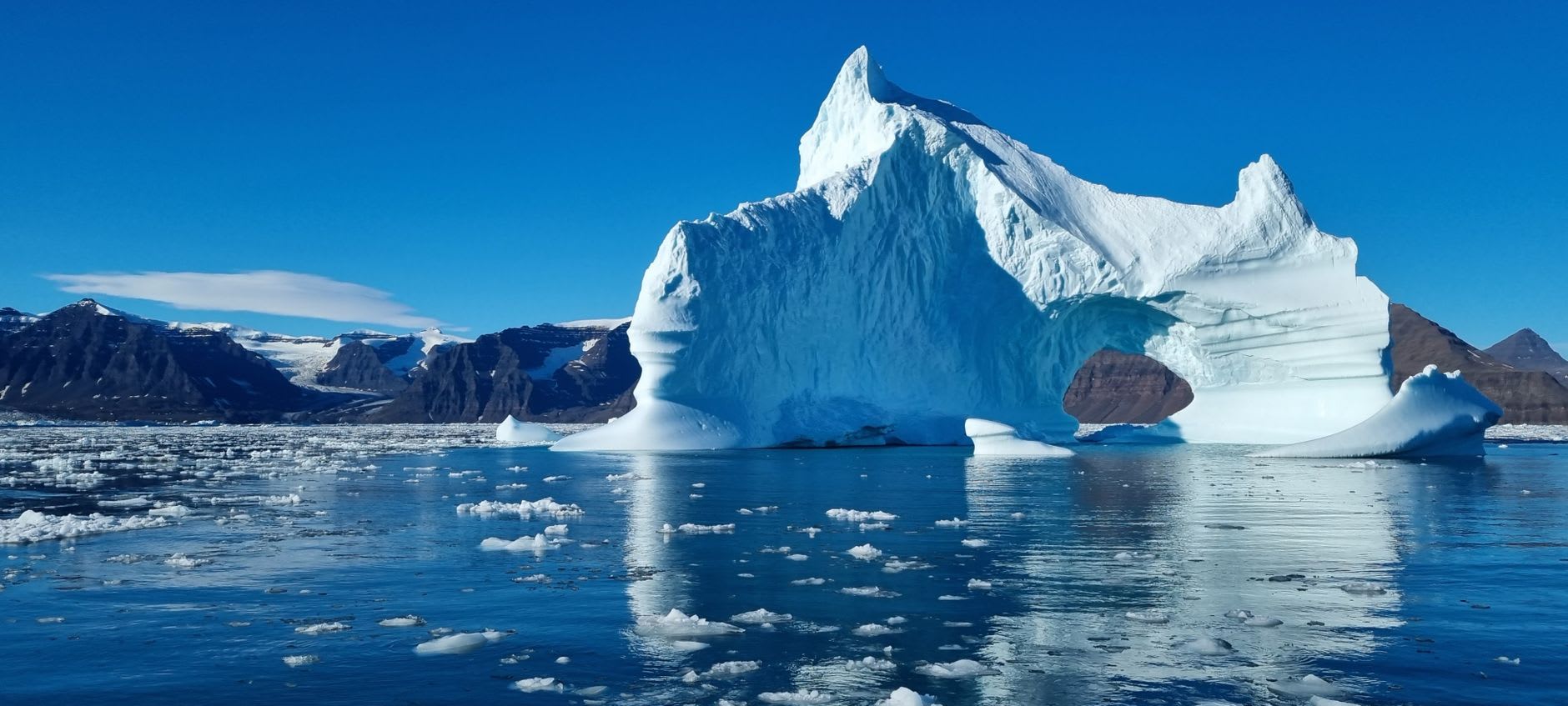
The polar night in Qaanaaq begins in late October and lasts until mid-February — four months of continuous darkness, punctuated by the glow of the moon on ice and the northern lights that run across the sky with a frequency and intensity I had not experienced further south. On a clear night in October, before the darkness fully settled, I stood outside the guesthouse for an hour watching a display of green and violet light that moved so actively it seemed to have intentions. The cold was serious — minus 25 Celsius with wind — and my face registered complaints I was too absorbed to act on. When I finally went inside, my eyelashes had frozen.
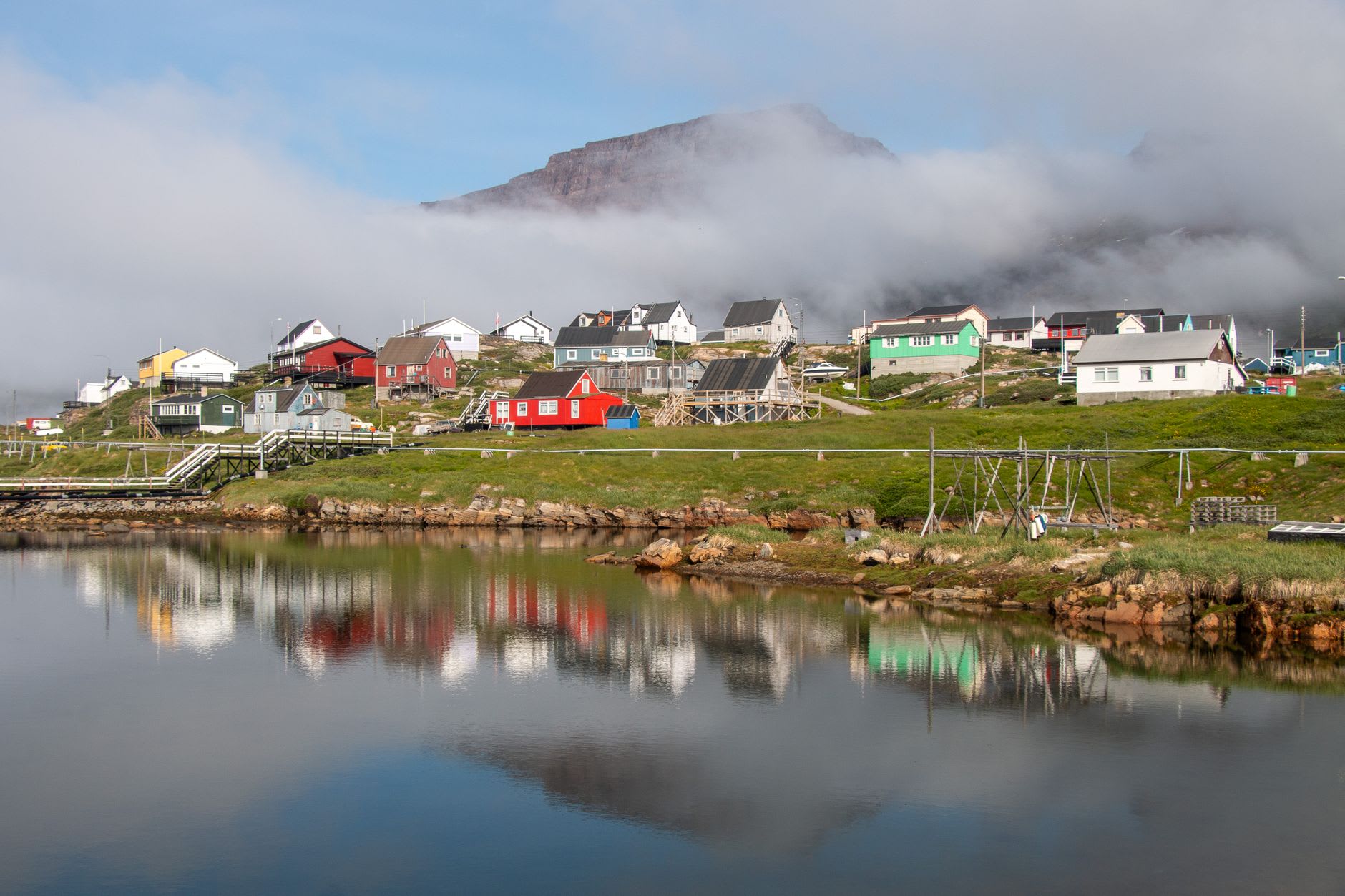
The summer, when it comes, is disorienting in the opposite direction. The sun does not set from May through August, and the sea ice breaks later here than further south — sometimes not until July — so that in late June you can watch open leads of water forming in the fjord while the sun moves in a low circle that never crosses the horizon. The narwhal hunt happens in these open leads, hunters waiting motionless in their qajaqs while the whales surface to breathe. I did not witness a hunt but I watched the preparation: the skin-covered boats, the harpoons, the total absence of any noise that would carry across water. The whole scene operated below the threshold of what normally gets called performance. It was simply people doing the thing their people have always done, in the place their people have always done it, and being very good at it.
When to go: March and April for dog sledding on sea ice with enough daylight to appreciate the landscape. Late May to July for the midnight sun and potential narwhal viewing in the open leads. October offers the last good autumn light before the polar night and reliable northern lights. Book everything months in advance — Qaanaaq has minimal accommodation and no margin for last-minute arrangements.