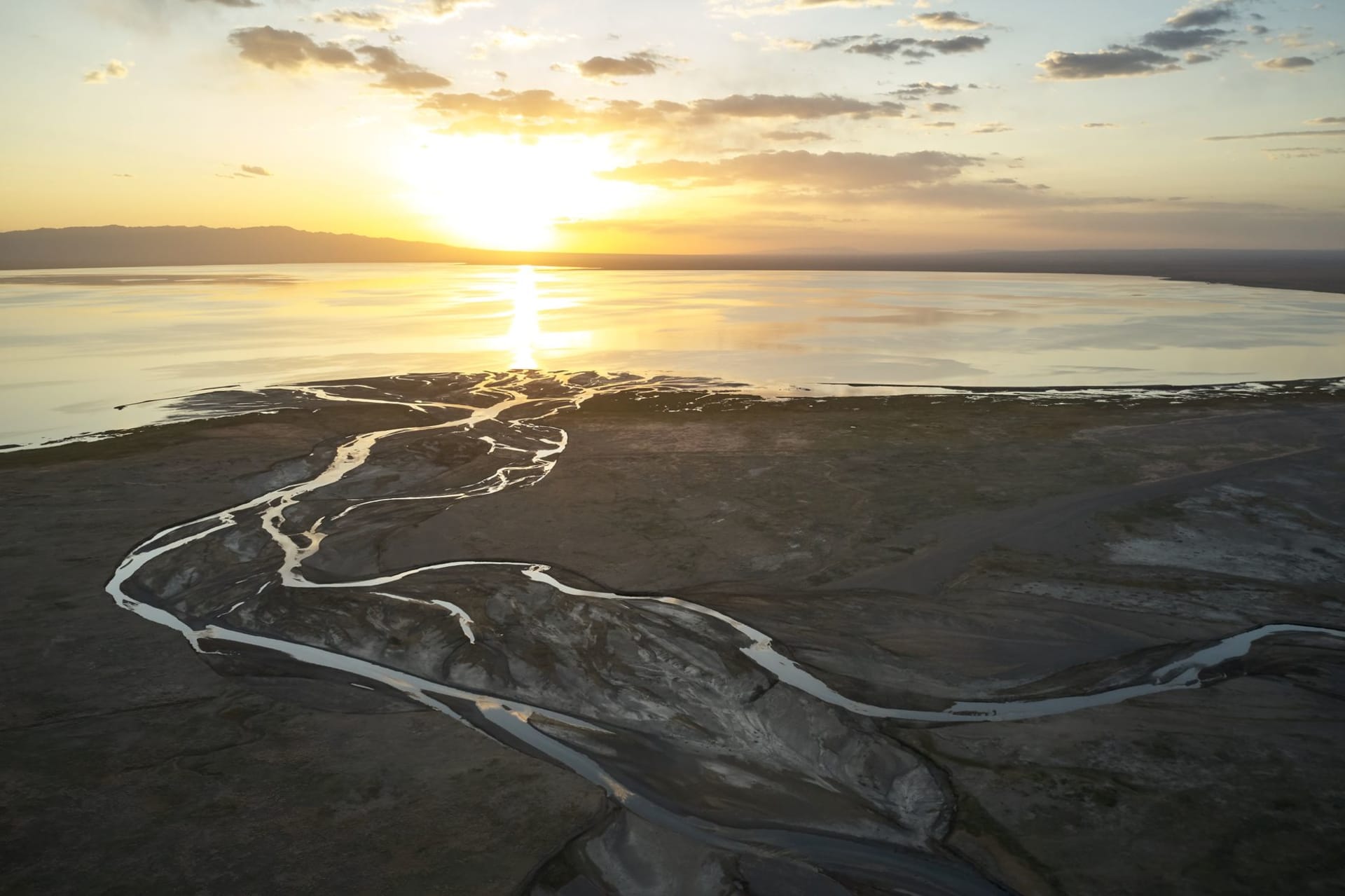
Lake Elementaita
"Three hundred pelicans and not another vehicle in sight — the Rift Valley kept this one to itself."
I arrived at Lake Elementaita by accident, essentially. I was driving between Naivasha and Nakuru and noticed a turn-off with a handwritten sign, and something about the quietness of it — the absence of any lodge signage or tour company branding — made me stop and follow the dirt track down toward the water. It ended at a low bank above the lake, where a group of great white pelicans were moving in slow formation across a mirror of pale blue water, and there was nobody else within eyesight. I sat there for forty minutes and ate my lunch.
Elementaita is the smallest of the four main Kenyan Rift lakes that share UNESCO World Heritage status — the others being Nakuru, Bogoria, and Naivasha — and it receives a fraction of the visitors. The lake sits between the two more famous ones, approximately an hour’s drive from both, easy to skip when you are ticking off the highlights. This is your advantage if you go. The shoreline is quiet enough that you can stand at the water’s edge without any vehicle noise, without any radio, with just the wind and the sound of flamingo wings and the occasional honking of the pelicans, who are not musical but are magnificent.

The lake itself is shallow — rarely more than three meters at its deepest — and its alkaline chemistry shifts with rainfall and evaporation. In dry years the water concentrates, flamingo numbers rise, and the lake takes on a pinkish tinge at the edges. In wetter years it dilutes slightly, the flamingos spread to Nakuru and Bogoria, and the pelicans dominate. On my visit, the pelicans had the floor. There were hundreds of them, moving with a collective grace that their somewhat comic individual profile doesn’t prepare you for. In flight they are enormous and perfectly coordinated. On the water they ride high and white and look like they were placed there for compositional reasons.
The Rift escarpment runs along the western side of the lake, its green wall rising steeply from the valley floor, with the old volcanic plug of Sleeping Warrior visible on the skyline — a rock formation that, from certain angles and with a willing eye, does appear to show the outline of a reclining figure. The farms along the escarpment base grow various crops in the richer soils that have washed down over millennia, and in the early morning there are workers in the fields and smoke from cooking fires at the settlements, giving the whole scene a layered quality — geological time and human time stacked on top of each other in a way that is quietly affecting.

There is a handful of camps and lodges around the lake — more than when I first visited, fewer than at Nakuru. The Sleeping Warrior Tented Camp sits on the escarpment side with views down over the water. Kiangazi House, an old settler property, offers something more intimate. But honestly, Elementaita rewards day visits too, particularly as a stop between the bigger lakes rather than a destination in itself. Bring binoculars and something to eat, turn off the main road, and follow the dust.
When to go: June through October and January through February offer the clearest skies and most reliable flamingo presence. Pelicans are resident year-round. The lake can dry down significantly in drought years, so check current conditions before making a long detour specifically for it.