Africa
Great Rift Valley
"The place where the planet reminded me it operates on its own schedule."
A geological wound running the length of a continent — the Rift Valley is where the earth is literally tearing itself apart, and the flamingos don't seem to mind.

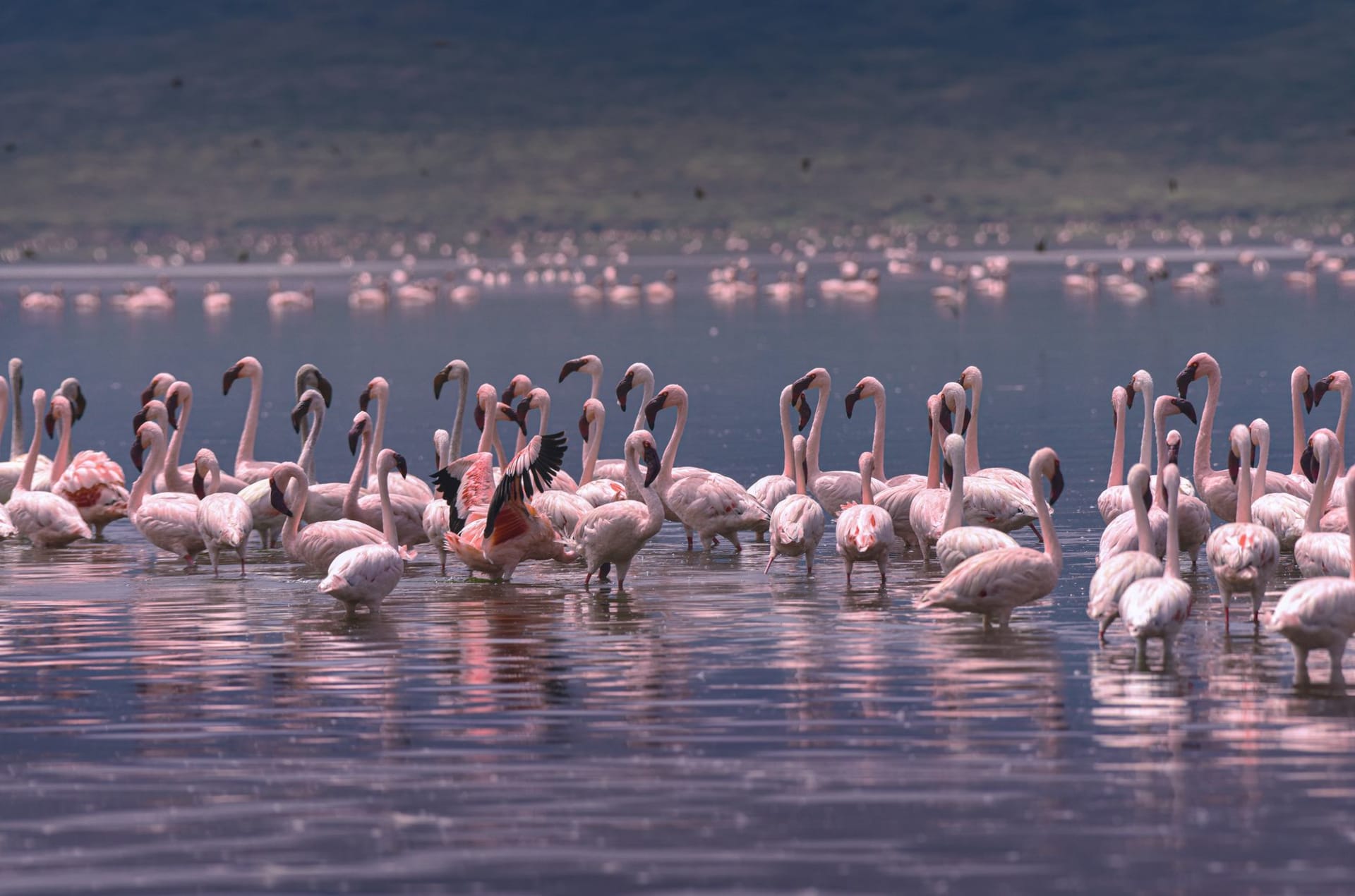
I arrived at Lake Nakuru late in the afternoon, when the light was doing that low-angle thing it does in East Africa — turning everything amber and slightly unreal. The smell hit me first. It is not unpleasant exactly, just dense, mineral, alive. And then I saw the flamingos. Not a few hundred. Not a thousand. Hundreds of thousands of them, packed so tightly along the shoreline that the lake appeared to have a pink fringe. Lesser flamingos, mostly, filtering cyanobacteria from the alkaline water, indifferent to the Land Cruisers parked forty meters away. The Rift Valley escarpment rose behind them, dark green and abrupt. It felt like watching something the earth had arranged before humans had any opinion about it.
The Great Rift Valley is not a single place — it is a geological system running roughly six thousand kilometers from the Jordan Valley down through Ethiopia, Kenya, Tanzania, and into Mozambique. In Kenya alone it contains Lakes Nakuru, Elementaita, Bogoria, Baringo, and Naivasha, each with its own chemistry and its own cast of species. Lake Bogoria, at the northern end of the Kenyan section, is where I saw the largest flamingo concentrations — and also where geysers shoot boiling water out of the earth along the lakeshore, because the Rift Valley likes to remind you that geology is not finished here. I crouched next to a vent and watched steam rise, and then I looked out at the pink horizon of birds, and I thought: this is the kind of thing that makes every other landscape feel slightly overdone.
Lake Naivasha is the outlier — freshwater, ringed by fever trees and yellow-barked acacias, patrolled by hippos at dusk. I rented a bike from a guesthouse on its southern shore and rode through Hell’s Gate National Park, which is exactly what it sounds like: a narrow gorge of volcanic rock where you can cycle past zebra and giraffe on your own, no vehicle required. The walls of the gorge are warm to the touch. The earth here is still deciding what it wants to be.
When to go: June to October for the dry season, when wildlife concentrates near water and flamingo numbers at Lake Bogoria and Nakuru peak. February and March are drier than the long rains and offer good birdwatching. Avoid April through May — the long rains make some tracks impassable, though the landscape turns an extraordinary green.
What most guides get wrong: They sell the Rift Valley as a half-day add-on between Nairobi and the Masai Mara, which is a failure of imagination. The lakes, the escarpment, the geothermal parks, Hell’s Gate, and the communities along the valley floor deserve at least four or five days on their own. And the flamingos are not guaranteed — their numbers shift between lakes depending on water levels and algae blooms. Ask locally before you drive two hours to a lake that happens to be empty that week.
Explore
Places in Great Rift Valley
 great-rift-valley
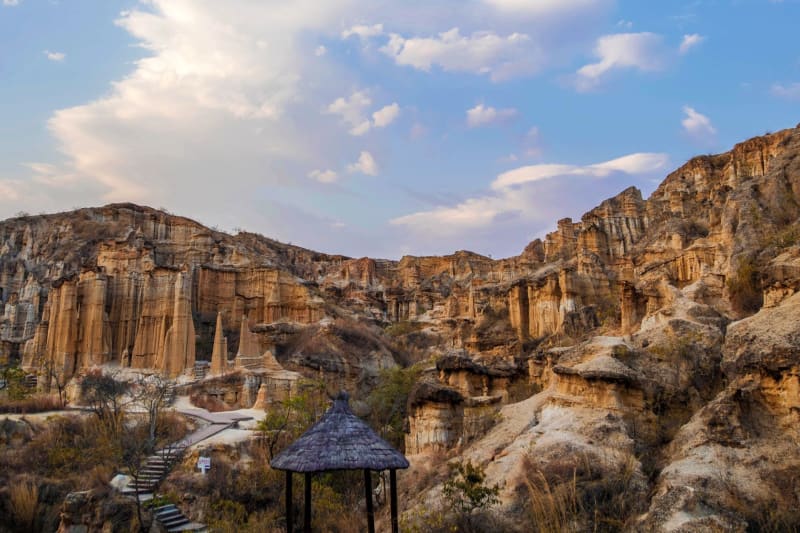
 Hell's Gate National Park
A volcanic gorge you cycle through alongside zebra and giraffe, with walls warm to the touch and hot springs at the far end.
Explore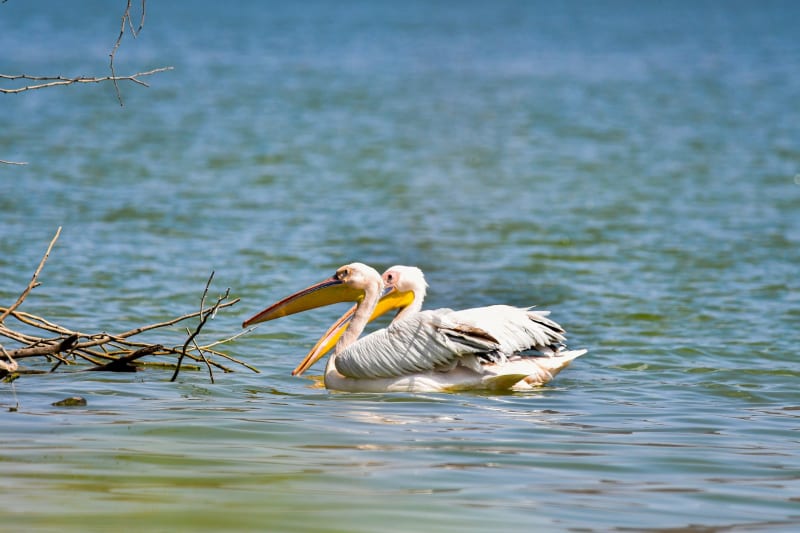 great-rift-valley
 Lake Baringo
A remote freshwater lake in northern Kenya where fish eagles outnumber tourists and crocodiles sun themselves on papyrus islands.
Explore great-rift-valley
 Lake Bogoria
Where geysers shoot boiling water beside a flamingo-choked lake so alkaline that nothing survives in it except the birds' food.
Explore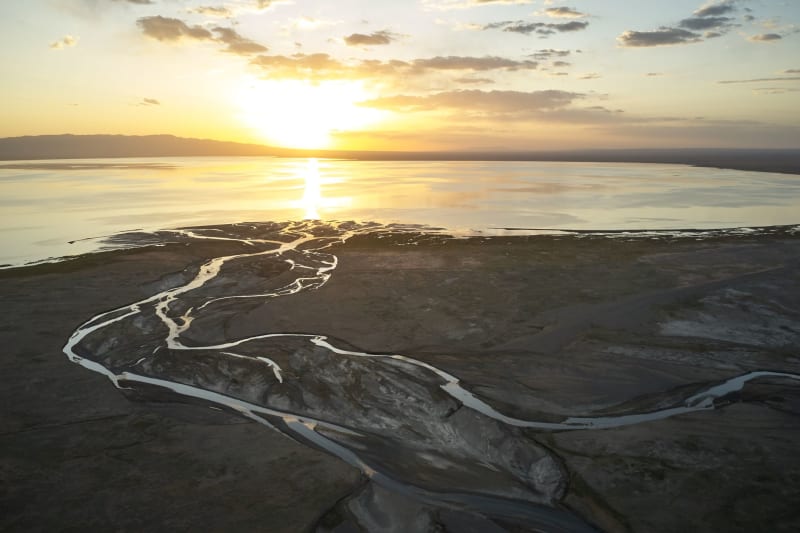 great-rift-valley
 Lake Elementaita
The forgotten lake of the Kenyan Rift — a UNESCO World Heritage site with great white pelicans and almost no one else there.
Explore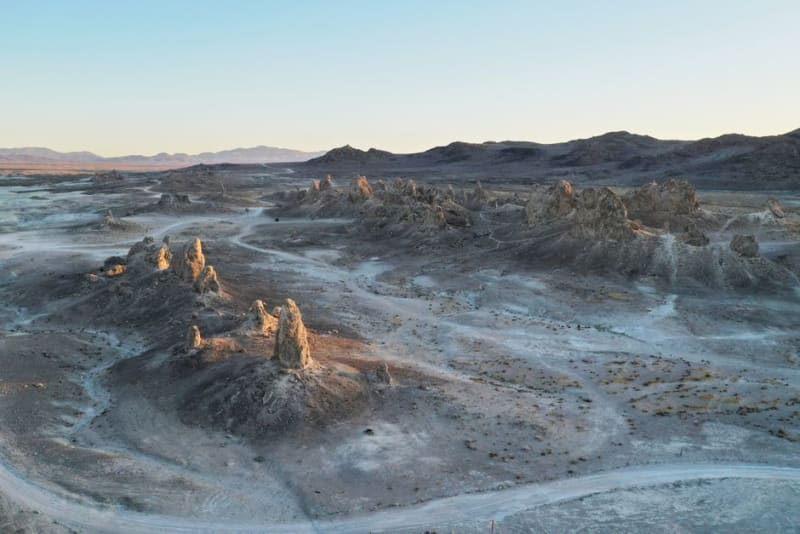 great-rift-valley
 Lake Magadi
A crusted pink lake at the bottom of the Rift, where flamingos wade over sodium carbonate and hot springs bubble at the edges.
Explore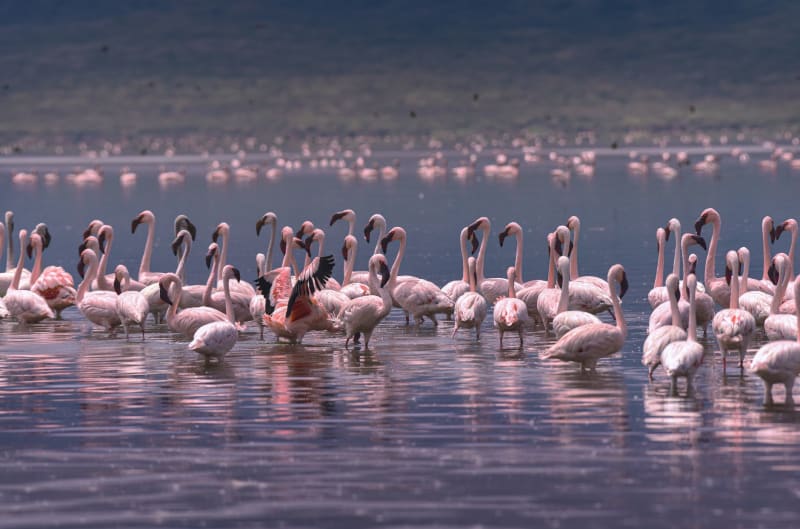 great-rift-valley
 Lake Manyara
A Tanzanian Rift lake famous for tree-climbing lions and a groundwater forest so dense you forget you are in a national park.
Explore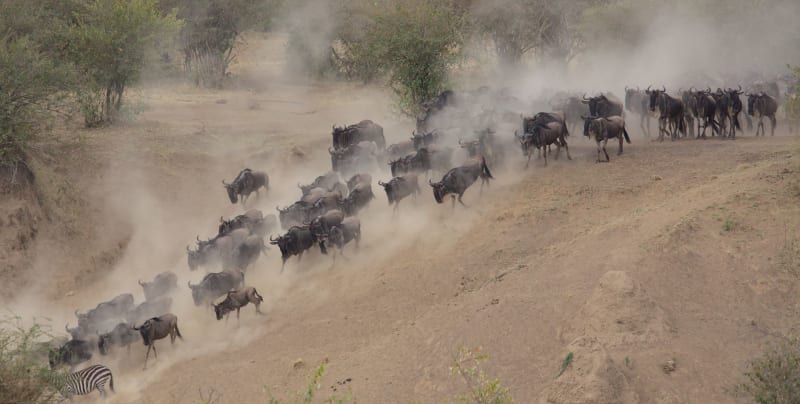 great-rift-valley
 Lake Naivasha
A freshwater outlier in a valley of soda lakes, where hippos grunt in the reeds and fever trees turn yellow in the morning light.
Explore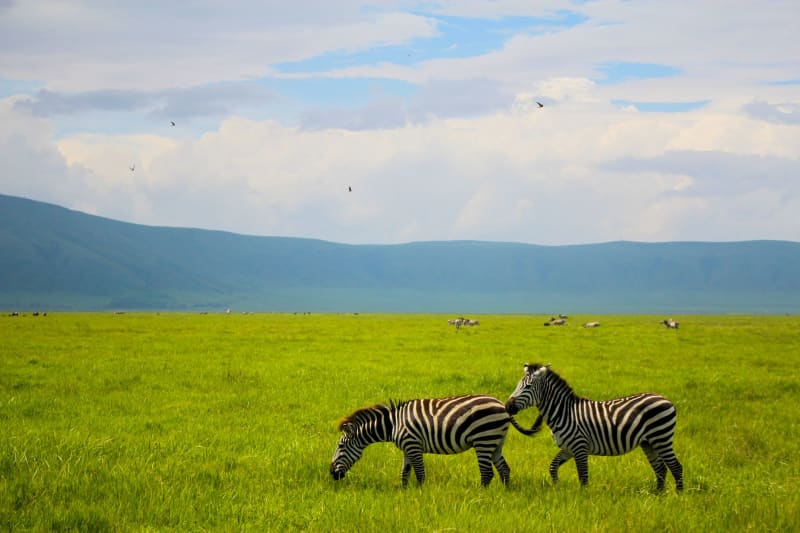 great-rift-valley
 Lake Nakuru
A soda lake that turns pink at the edges with a million flamingos and shelters rhinos in the forest beyond.
Explore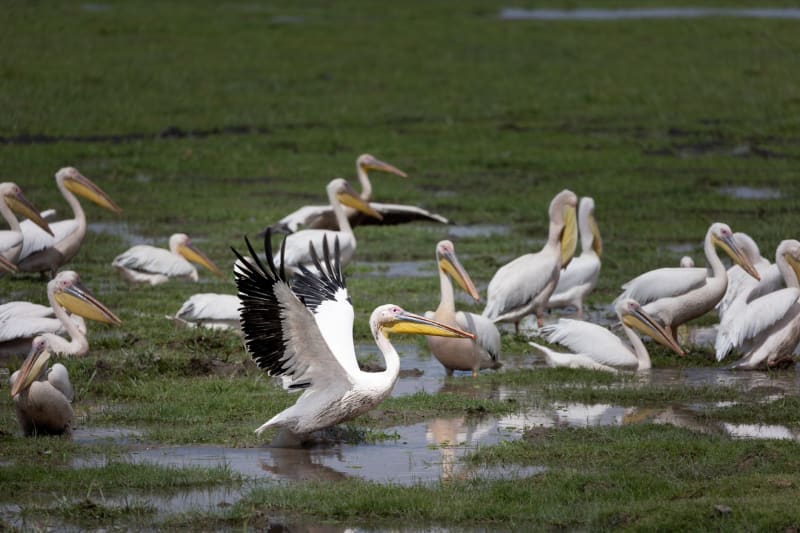 great-rift-valley
 Lake Natron
A blood-red soda lake at the foot of an active volcano in northern Tanzania, hostile to almost everything alive except the million flamingos that adore it.
Explore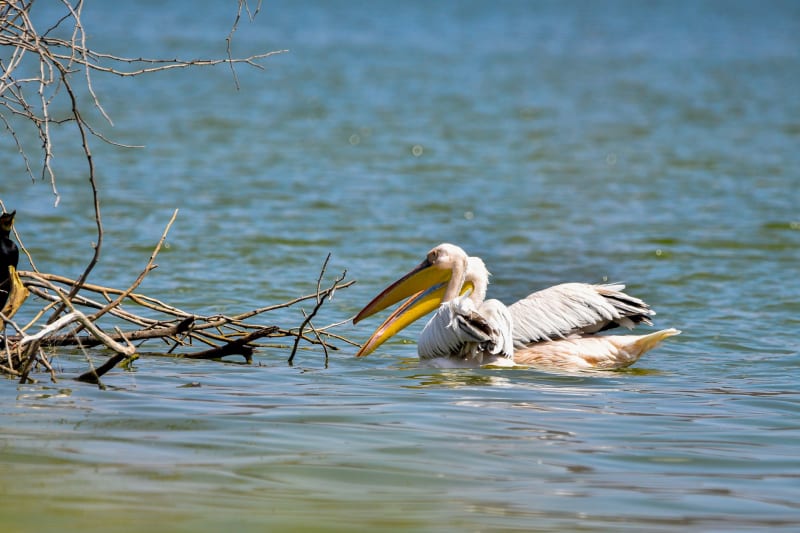 great-rift-valley
 Lake Turkana
The Jade Sea at the edge of Kenya's northern desert — wind-scoured, crocodile-thick, and ancient enough to make everywhere else feel recent.
Explore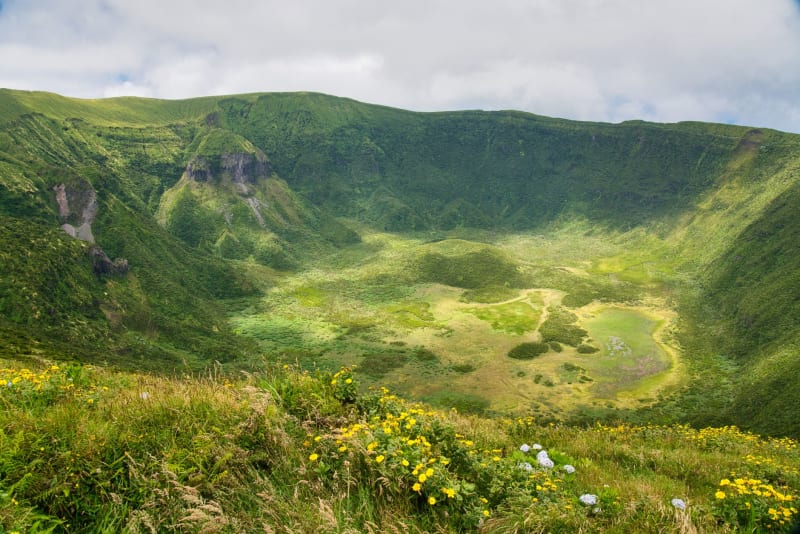 great-rift-valley
 Menengai Crater
One of the world's largest calderas — a sleeping volcanic bowl above Nakuru that the Maasai call the place of corpses, for historical reasons.
Explore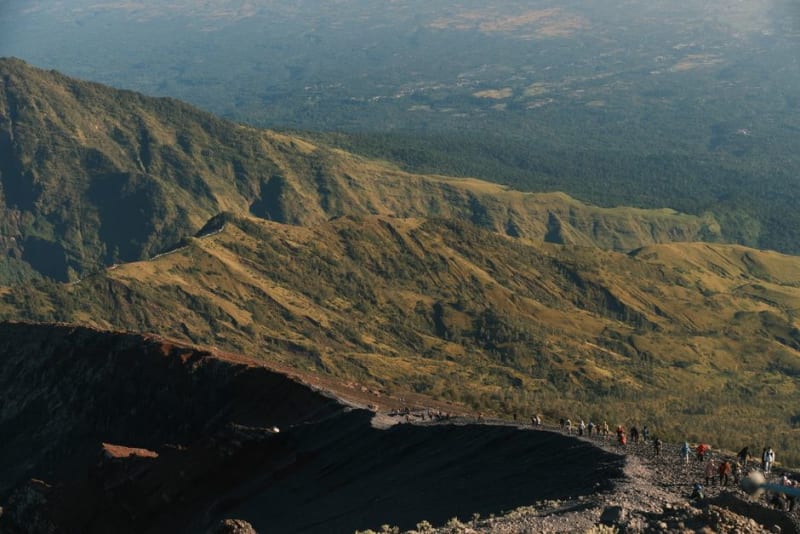 great-rift-valley
 Mount Longonot
A dormant volcano crater rim hike above Lake Naivasha, where zebra graze the ash-dark slopes and the caldera falls away into forest.
Explore great-rift-valley
 Ngorongoro Crater
A collapsed volcano whose caldera holds an entire ecosystem — lions, elephants, rhinos, and Maasai with their cattle, all in a bowl twelve miles wide.
Explore