Traverse City
"The cherry pie at the farmers' market was still warm, and the cherry on top had been picked three miles away that same morning."
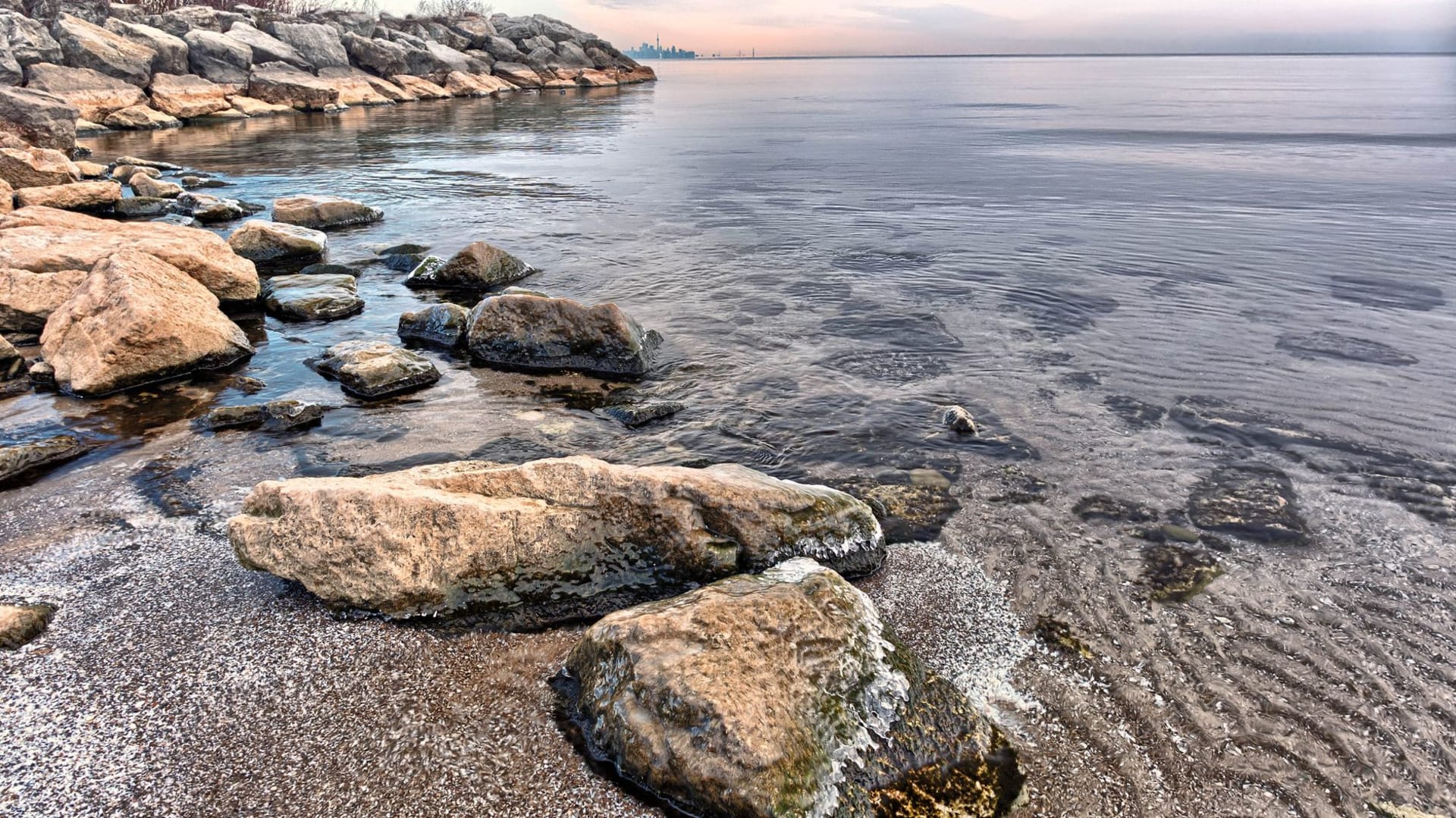
Traverse City sits at the bottom of a narrow bay that cuts deep into Michigan’s Lower Peninsula, and Grand Traverse Bay — the water it faces — has a clarity that seems implausible in a commercial harbor city. On certain June mornings when the light comes in flat off the east, the bay turns a shade of turquoise that would embarrass the Caribbean. I arrived in late July, cherry season in full force, and the smell coming off the roadside farm stands was extraordinary: tart, sweet, the particular intensity of a Montmorency cherry at peak ripeness. I ate a full bag in the car before I reached the farmers’ market and do not regret it. The cherry is not just an agricultural product here — it is the organizing principle of the place, the thing around which everything else orients: the pies, the wines, the festivals, the name of every other shop on Front Street.
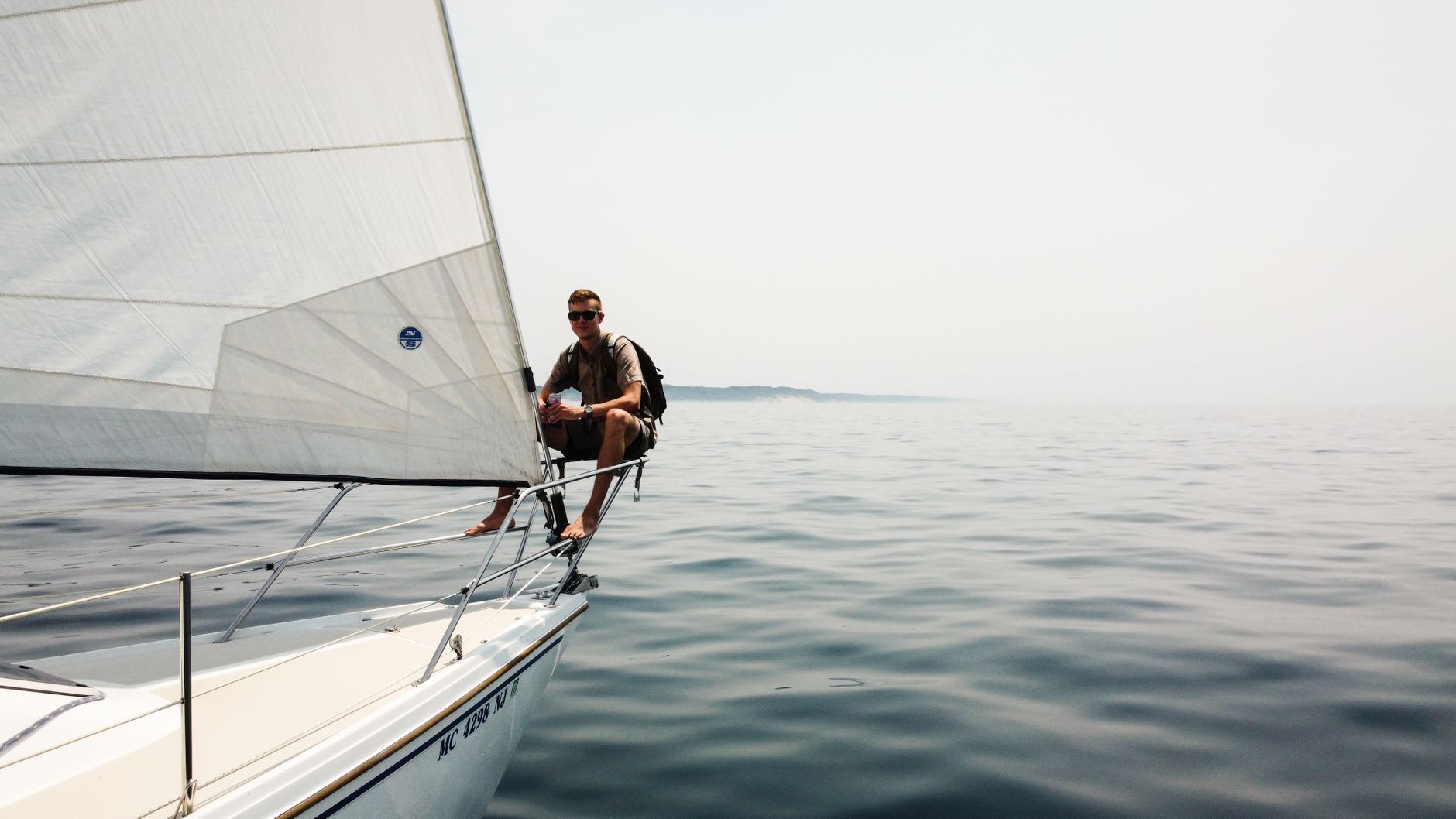
Downtown Traverse City is more confident than you might expect from a town of this size. Front Street runs along the waterfront with restaurants, bookstores, and food halls that draw from Michigan’s agricultural wealth in ways that feel genuinely thought through. The farmers’ market on Saturday mornings has the specific energy of a market where the farmers know their customers and the customers know what they want: sweet corn, blueberries, peaches from the ridges above Lake Michigan, and cherries in every form imaginable — fresh, dried, frozen, turned into tart juice that comes in glass bottles, worked into jam that travels home in my bag and gets eaten standing at the kitchen counter two days later. I bought too much, as I always do at markets, and ate most of it sitting on the dock at the Open Space park, watching a sailboat tack slowly across the bay.
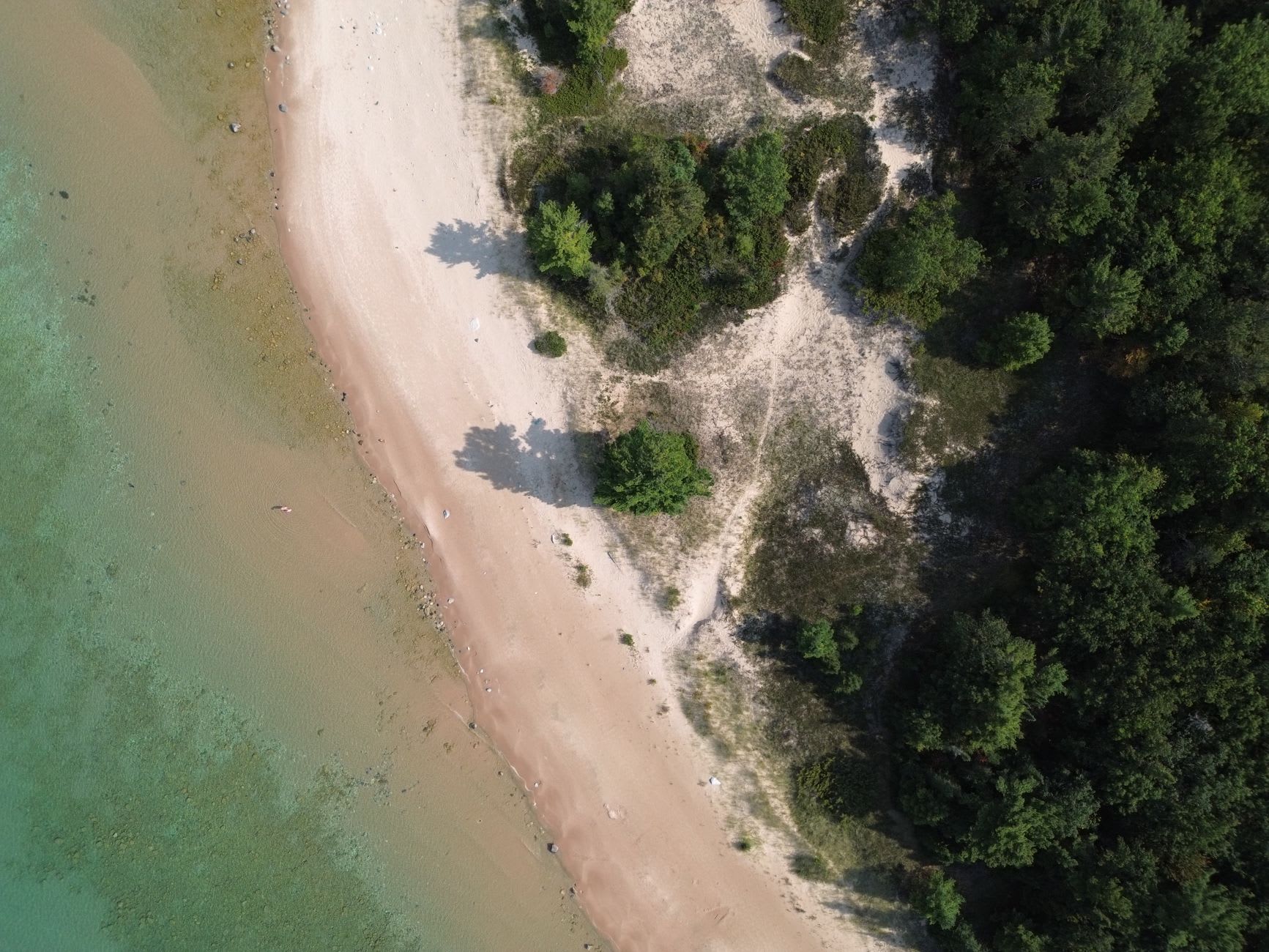
The Leelanau and Old Mission peninsulas flanking the bay have become serious wine-producing regions — which surprises people who don’t think of Michigan as wine country and shouldn’t. The climate here is moderated by the lake, which keeps frost off long enough to ripen Riesling, Pinot Gris, and in good years Pinot Noir. The tasting rooms range from barn-to-table rustic to deliberately architectural, and the wines are consistently better than the prices suggest they should be. L. Mawby Vineyards on the Leelanau makes sparkling wines by traditional method that have won international competitions without losing the sense that they’re produced by someone who finds the whole enterprise genuinely amusing. That feels appropriate for a wine region most of the world hasn’t discovered yet. I drove the Old Mission Peninsula at dusk, the bay visible on both sides of the narrow road, a single vineyard sign illuminated by the last light, and thought: this is what new wine regions feel like before everyone finds them.
When to go: Cherry season (late June to late July) is the sensory peak; the National Cherry Festival the first week of July is genuinely fun if you like community events. Late September through October for the wine harvest, fall colour along the bay, and the dramatic drop in crowds — the light in October on Grand Traverse Bay is some of the best I’ve seen anywhere.