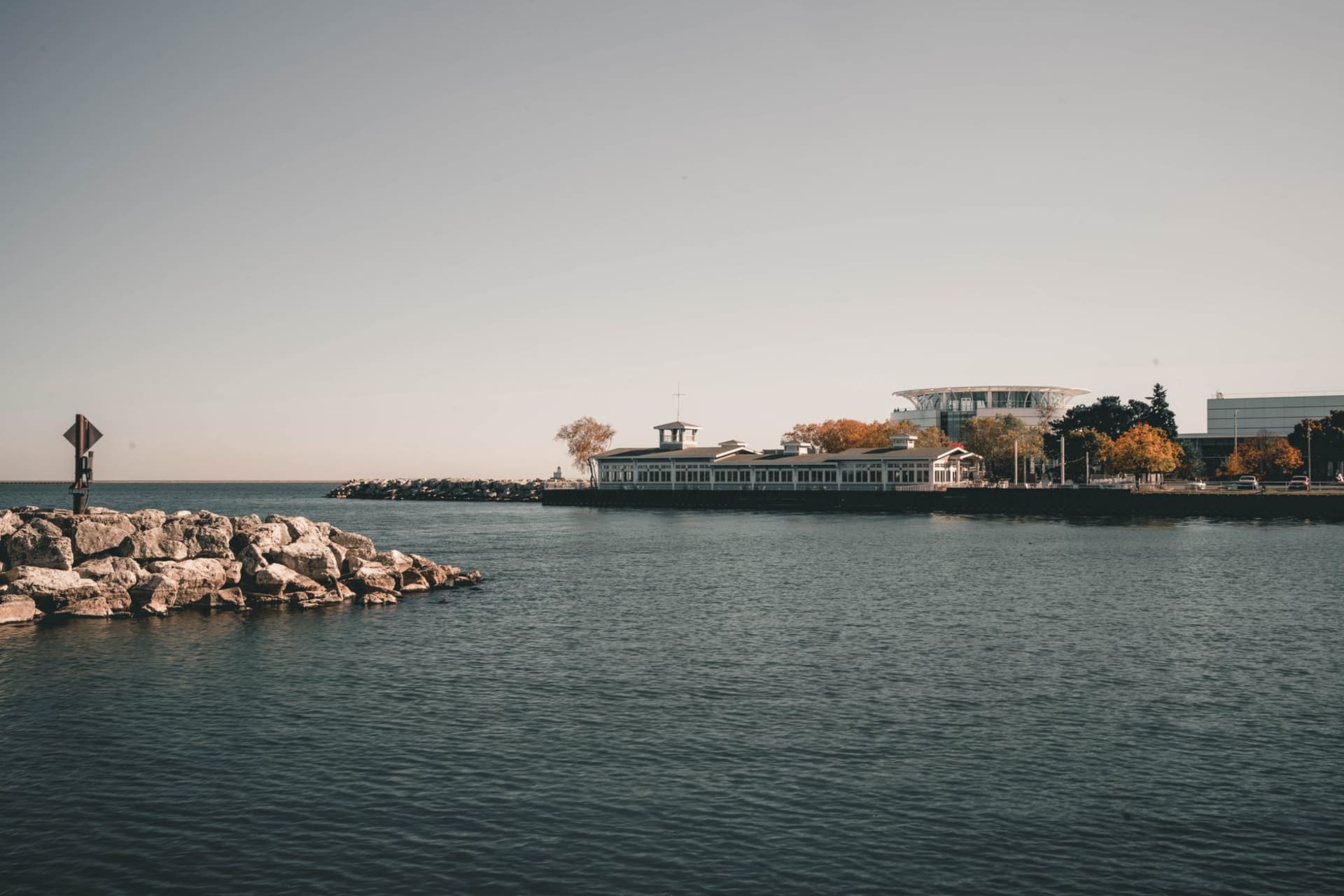
Milwaukee
"The beer was cold and the pretzel was warm and the man next to me at the bar had opinions about both that I found entirely reasonable."
Milwaukee is a city that smells like beer. This is not a criticism — it is one of the most specific and honest things I can say about it. The yeast and hops and the particular warm-grain scent of fermentation hang in the air near the old brewery districts, and walking through Walker’s Point on a weekday morning with a coffee you bought at a place that also sells cured meats and pickled vegetables feels like being somewhere that knows exactly what it is. Milwaukee was built by German and Polish and Scandinavian immigrants who brought their brewing cultures and their preference for solid brick architecture, and the city still carries all of it: the buildings are serious and good-looking, the beer is central to the social architecture, and strangers talk to you in bars with an ease that doesn’t carry the undertone of performance that similar behavior can have in larger cities.

Lakefront Brewery does public tours that are less promotional experience and more genuine factory walk-through — the fermentation tanks are enormous, the smell is something between intoxicating and overwhelming, and the guides have the comfortable authority of people who’ve answered the same questions several thousand times and still find them reasonable questions to ask. I’ve spent time at Lakefront also because it sits directly on the Milwaukee River, and the beer garden in summer, with the kayaks going by and the bridges of the Third Ward visible through the trees, is one of those outdoor drinking situations that makes you feel well-disposed toward the world. The Third Ward itself is Milwaukee’s design district — converted warehouses holding galleries, restaurants, and the Milwaukee Public Market, which does for cheese, smoked fish, and local charcuterie what a good delicatessen does for everything. I spent a Saturday morning there working through samples of Wisconsin cheddar, Lake Michigan smoked whitefish, and a very good local salami, and came out with more food than a reasonable person would carry.

What people miss when they come to Milwaukee is the lakefront. Bradford Beach is a proper urban beach — sand, lifeguards, volleyball nets, the full equipment — within walking distance of downtown, and on hot August days the lake reaches tolerably warm temperatures and the beach fills with a genuine cross-section of the city. Further north, Lake Park is a Frederick Law Olmsted-designed park above the bluffs with long sight lines over Lake Michigan from a pavilion built to be dramatic and still is. I walked it on a September afternoon when the lake was running dark blue and the park was nearly empty, and the combination of the Olmsted design — those particular rolling lawns, the way the land opens toward the bluff — and the lake below gave me the same feeling I get in Prospect Park in Brooklyn: that this was built by someone who understood what public space could be for, in a city that has mostly kept faith with that understanding.
When to go: June through August for Bradford Beach and outdoor beer gardens. Summerfest in late June/early July is the world’s largest music festival and genuinely massive; worth the crowds if you like outdoor concert energy. The Milwaukee Art Museum’s Calatrava wing — the moveable white wings of the brise-soleil opening over the lake each morning — is worth a trip in any season.