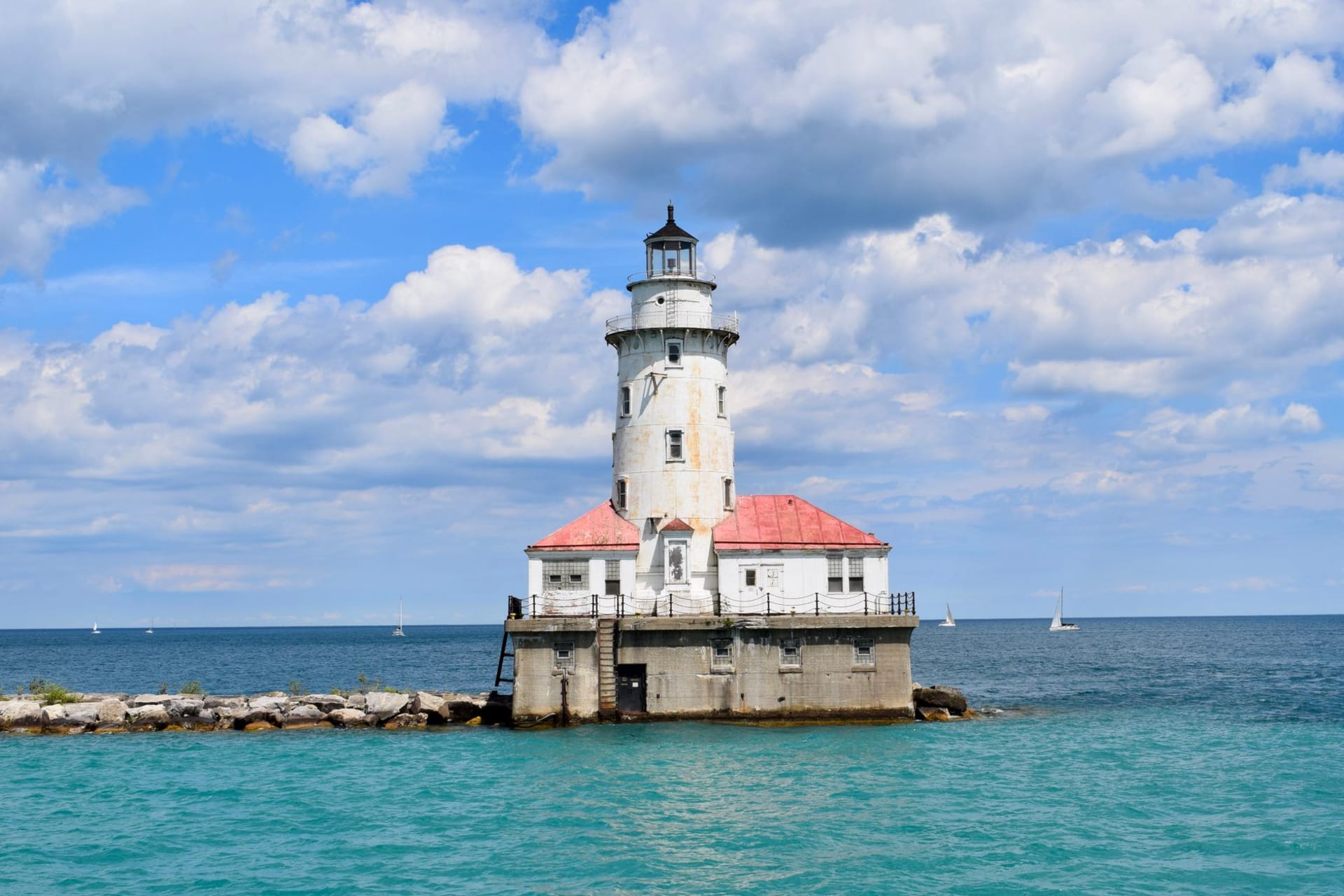
Mackinac Island
"No engines, no honking — just hooves on cobblestone and the smell of fudge coming through every window you pass."
There are no cars on Mackinac Island. This is the first thing everyone tells you, and the thing you have to experience to believe. You take the ferry from Mackinaw City or St. Ignace, and the island comes into view through the strait between Lake Huron and Lake Michigan — the Grand Hotel visible from the water as a long white stripe along the bluff, the Victorian cottages stepping down the hillside below it. You step off the dock and the sound is different immediately: hooves on stone, the creak of carriage wheels, the distant ring of a bicycle bell. The air carries a specific combination of horse, lake wind, and fudge — an olfactory signature so unlikely that it ought to be ridiculous, and instead turns out to be exactly right. Within twenty minutes I’d stopped noticing it and started expecting it.
The fudge shops on Main Street are absurd in their concentration — seven or eight of them within a block — and the fudge-making is performed as theater, with copper kettles and marble slabs and narration from people who’ve delivered the same lines five thousand times and still manage to make the pour look satisfying. I ate more fudge on Mackinac Island than in any comparable period of my adult life and I do not regret it. The historic fort on the bluff above town dates to the British occupation during the Revolutionary War period and looks exactly like you’d expect a British colonial fort to look: solid, practical, overlooking everything with Presbyterian severity. But the real draw is the interior of the island, which most day-trippers miss entirely. Rent a bicycle, take the road that loops the island’s eight-mile circumference, and then turn inland on the carriage roads threading through the state park. The interior is hemlock forest, fern floor, limestone formations rising through the trees. The Arch Rock is a natural limestone arch high above the east shore, and the moment when you step onto the viewing platform and the lake appears below through the frame of stone is one of those dumb, perfect travel moments you’re slightly embarrassed to admit affected you.
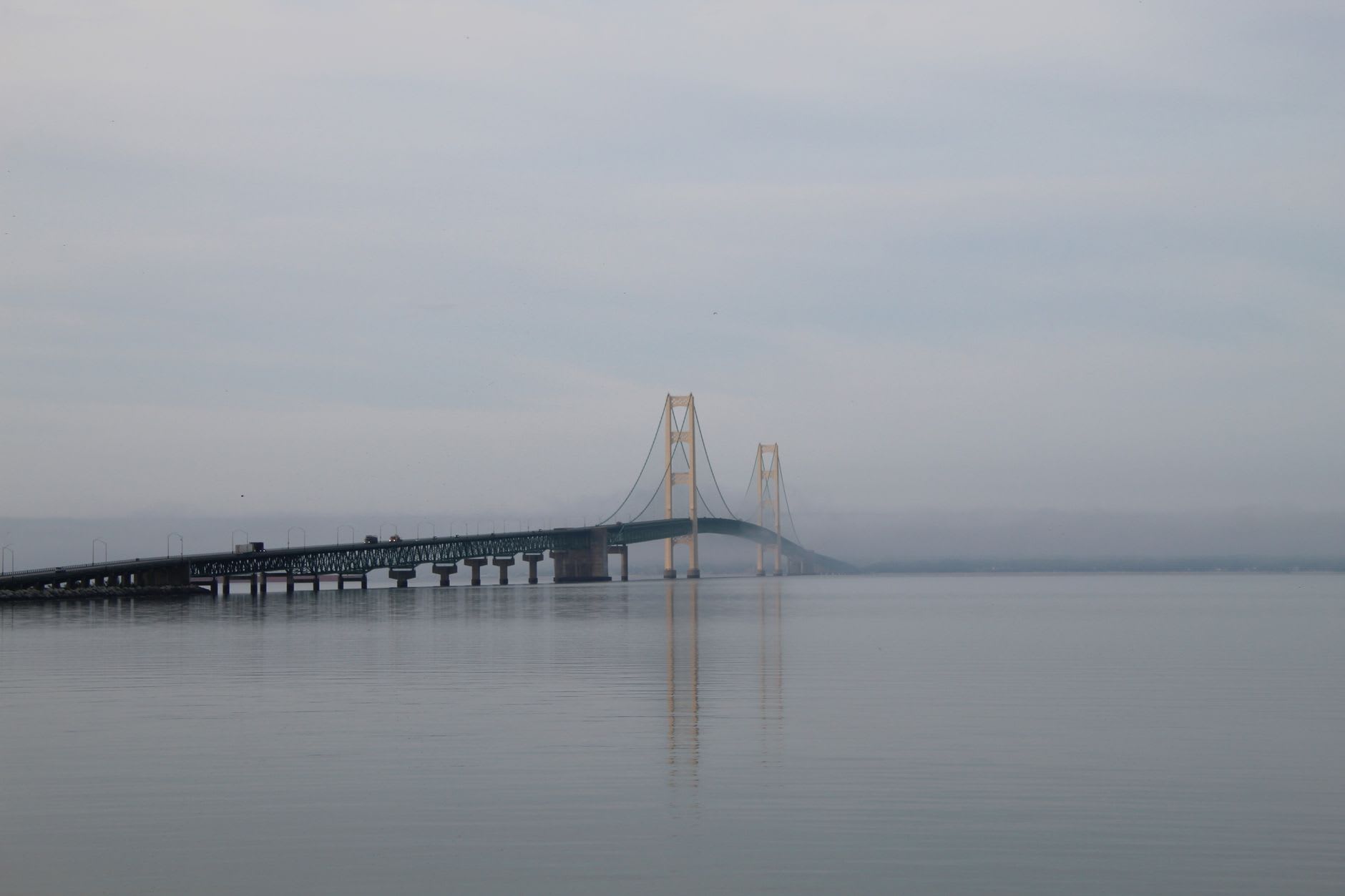
The Grand Hotel, built in 1887 and the longest porch in the world, is worth the day admission even if you’re not staying the night. You pay to walk the porch, order a drink at the bar, look out at the Straits while a pianist plays something from the 1940s in the parlor behind you. The hotel is relentlessly itself — the same carpets, the same afternoon tea, the formal dress code after six — with a confidence that comes from being exactly what it is for over a century. I spent an evening there drinking a gin and tonic on the porch as a fog rolled in off the Straits, and the combination of period music, the absence of any motor sound whatsoever, and the fog erasing the mainland made time feel briefly negotiable in a way I haven’t quite managed to replicate anywhere else.
When to go: May through October is the season; everything closes for winter. Late May and September are significantly quieter than the July–August peak, and the light is often better. The Lilac Festival in June, when the island’s famous lilac trees bloom, draws admirers of both the flowers and the relative absence of midsummer crowds.