Michaelmas Cay
"I have never been shouted at by twenty thousand birds at once before. It is genuinely disorienting."
A tiny sand island so thick with nesting seabirds that the noise reaches you before the shape of the island does.
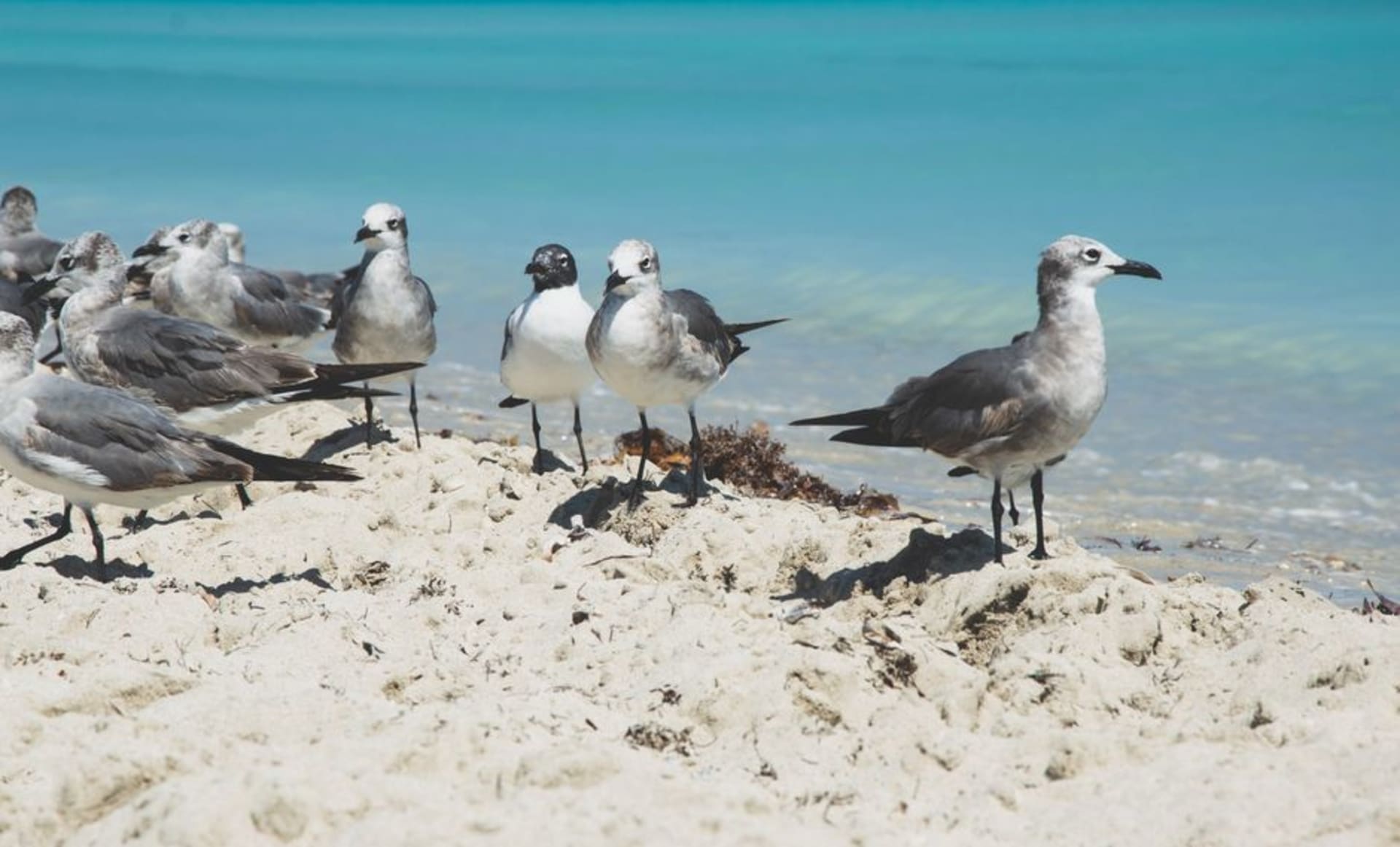
Michaelmas Cay is barely there — a low crescent of sand no more than a few hundred metres long, sitting on a reef platform out from Cairns, and it holds one of the most important seabird rookeries on the entire Great Barrier Reef. As the boat approached I noticed the sound before I noticed the island itself, a rising static of squawks and cries that got denser the closer we got, until the cay resolved into view as a moving, shrieking carpet of sooty terns, common noddies, and crested terns packed shoulder to shoulder on every available patch of sand.
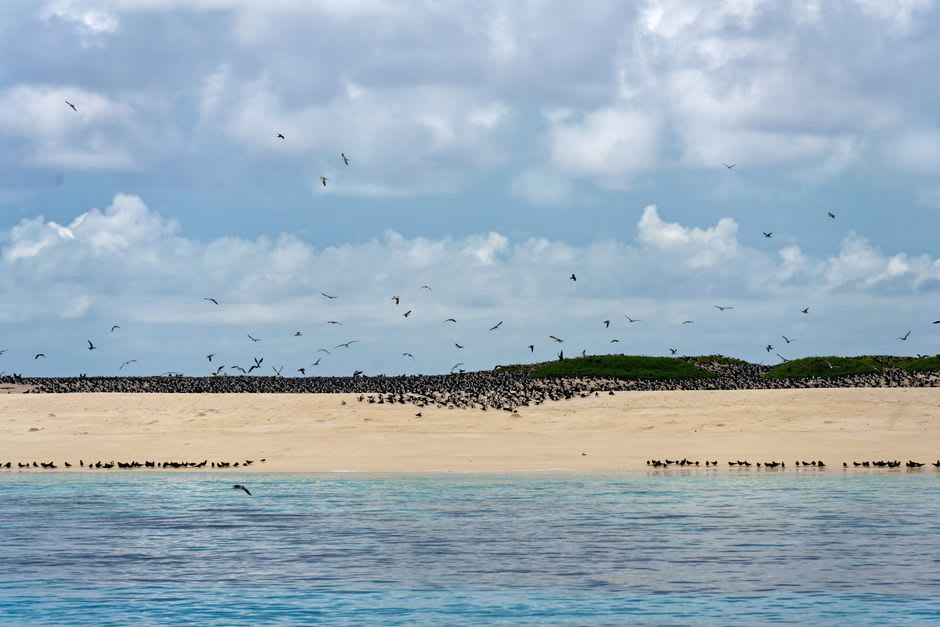
Access to the cay itself is restricted to a roped boardwalk area to protect the breeding colony, which is exactly as it should be — this is one of the most significant seabird nesting sites in the region, with numbers running into the tens of thousands during peak season, and getting too close would be an act of real vandalism. I stood at the rope line for a while just watching the sheer density of birdlife, a specific kind of overwhelming that has nothing to do with the ocean at all.
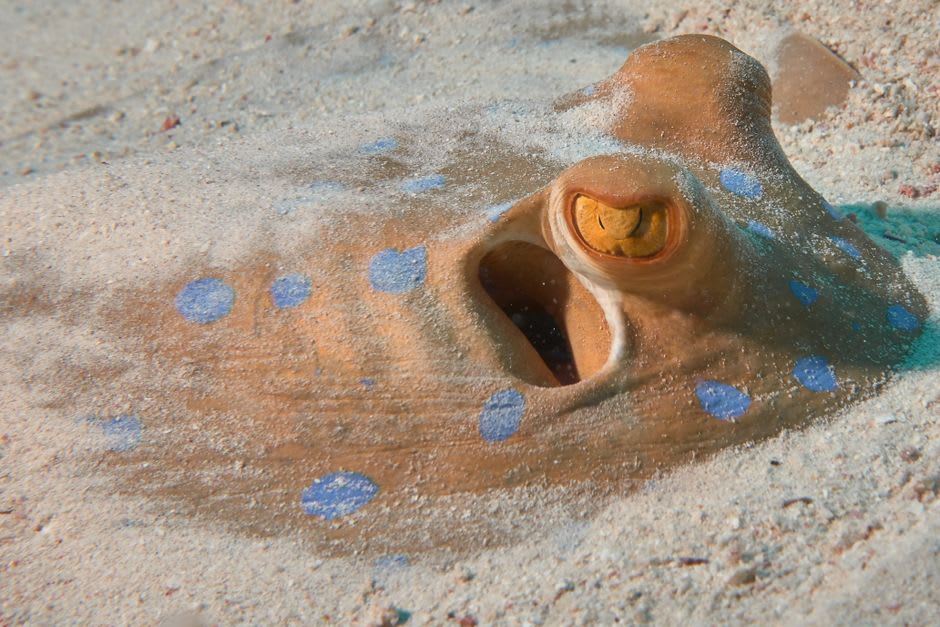
The real appeal for most visitors, myself included, is what surrounds the cay rather than the cay itself — a reef platform with some of the most accessible, easy snorkelling near Cairns, shallow enough for nervous swimmers, clear enough that I could see a reef shark cruising the sand channel from a good fifteen metres away. I drifted over coral gardens thick with clownfish and blue-spotted stingrays half-buried in sand, with the constant birdsong from the cay carrying strangely clearly across the water.
When to go: Visit October through March to see the seabird colony at its busiest with nesting and chick-rearing in full swing. For the calmest seas and clearest snorkelling water regardless of bird numbers, June through October remains the more reliable window.
Keep exploring
More from Great Barrier Reef
 great-barrier-reef
 Mission Beach
A sleepy stretch of coast where the rainforest runs straight down to the reef, and cassowaries occasionally wander out of the trees like they own the place.
Explore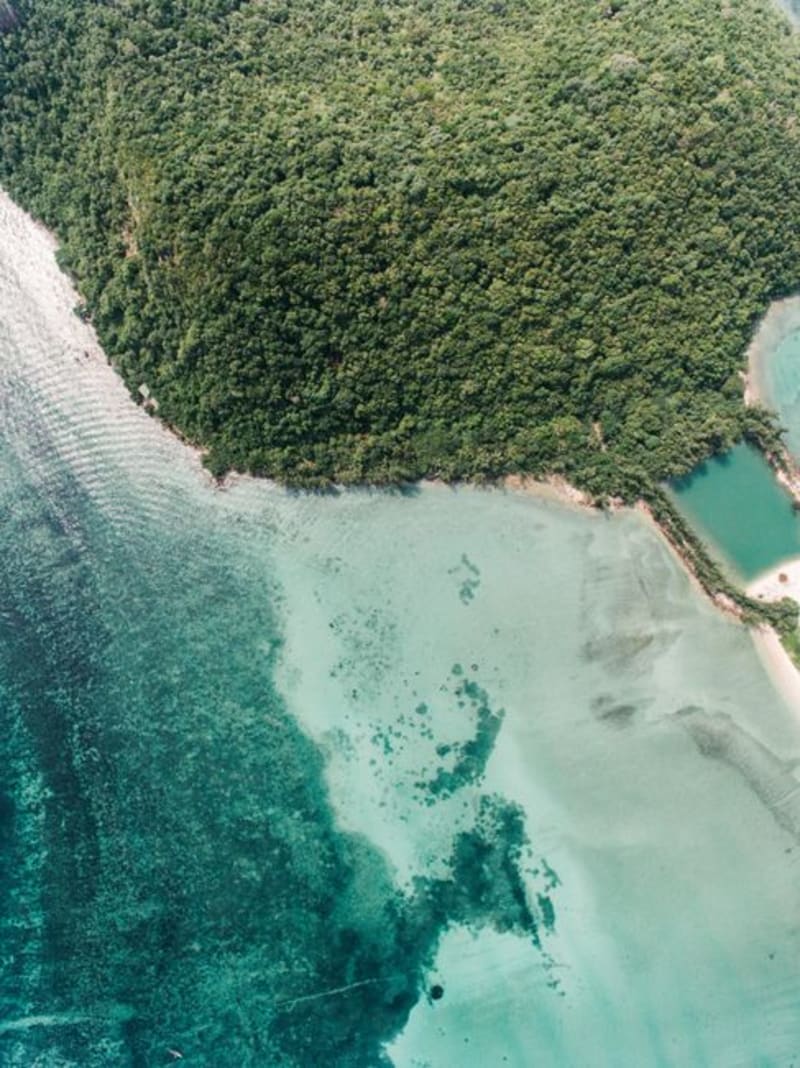 great-barrier-reef
 Orpheus Island
A national park island so quiet I met more goannas than people, with fringing reef so close to shore I could snorkel straight off the sand.
Explore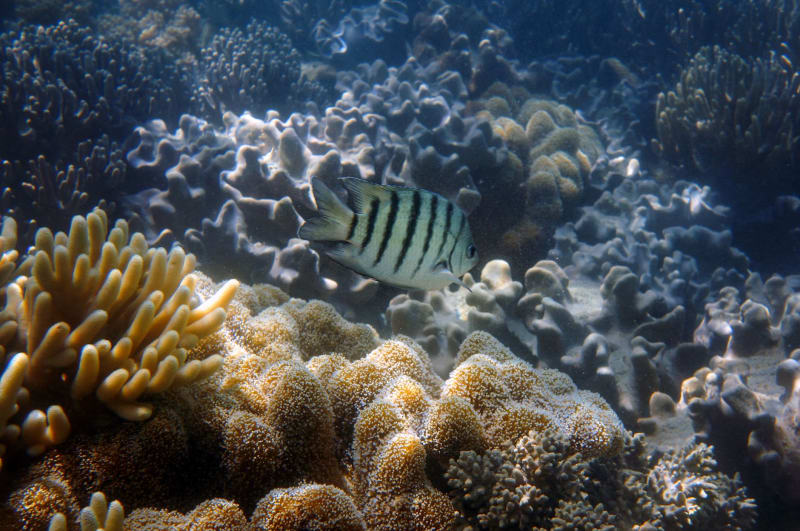 great-barrier-reef
 Osprey Reef
A remote Coral Sea atoll where the wall drops two thousand metres into blue nothing and the sharks arrive on schedule.
Explore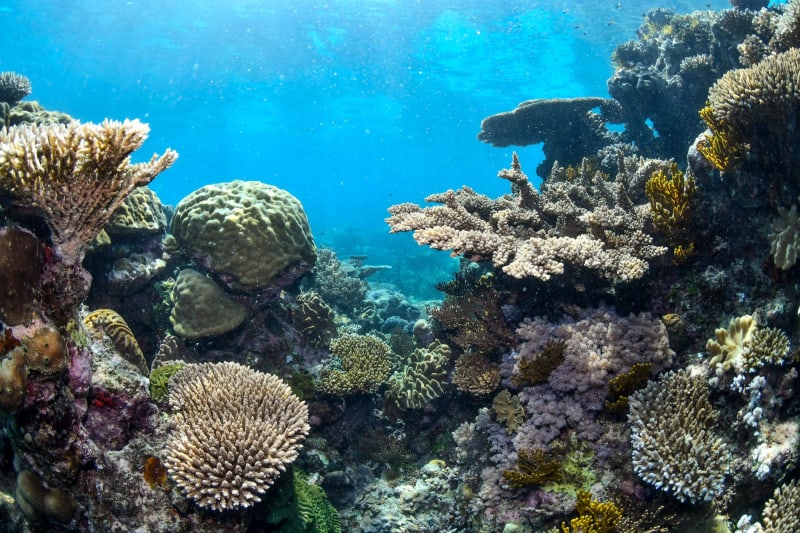 great-barrier-reef
 Port Douglas
A sun-bleached Queensland town on a narrow peninsula where everything worth doing happens before nine in the morning.
Explore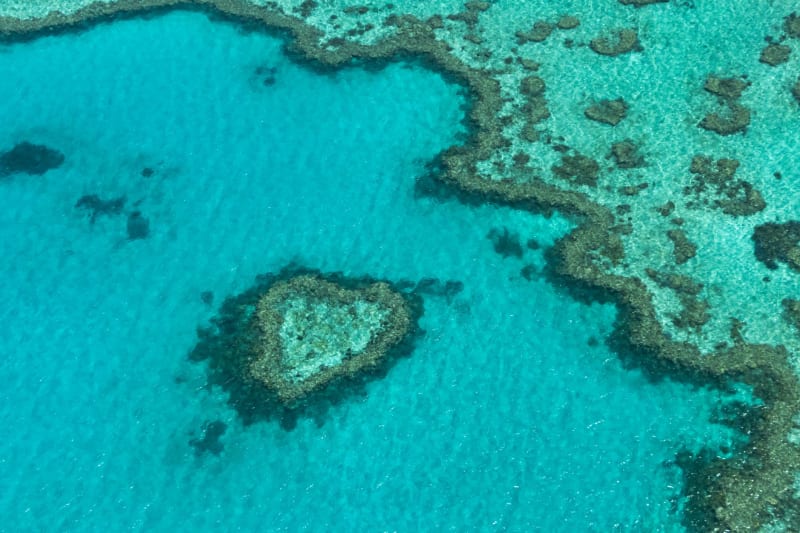 great-barrier-reef
 Ribbon Reefs
The outer edge of the Great Barrier Reef where the continental shelf ends and the liveaboard boats anchor above Cod Hole.
Explore great-barrier-reef
 Townsville
A no-nonsense reef city where I snorkelled a sunken shipwreck by day and an underwater sculpture museum grown from real coral by evening.
Explore