Agincourt Reef
"The moment the seafloor just stops — that is the moment this reef exists to give you."
A ribbon reef right at the edge of the continental shelf where the water drops from turquoise to indigo in the space of a few metres.
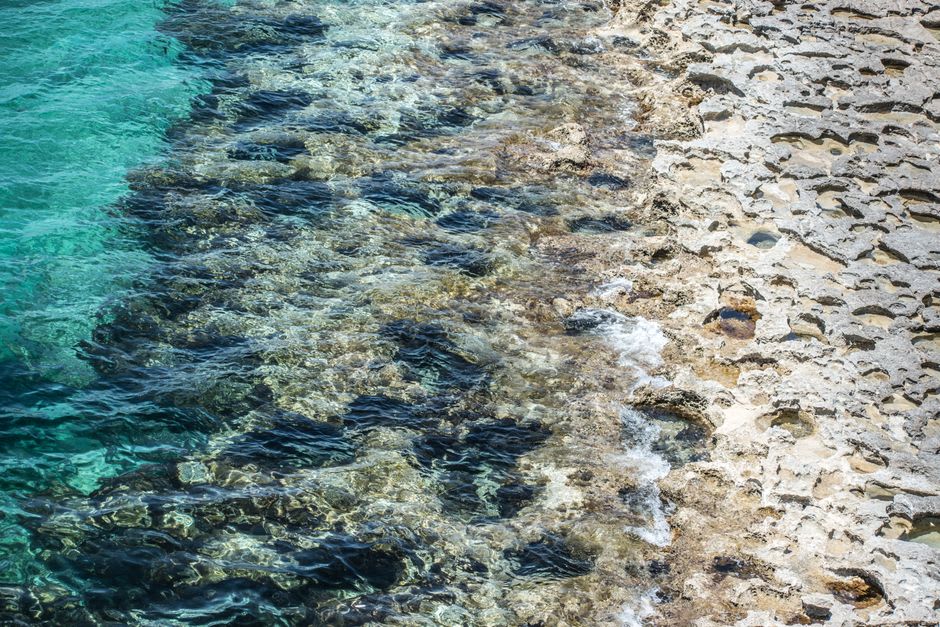
Agincourt Reef sits out past Port Douglas, right where the continental shelf runs out and the seabed simply falls away into deep blue. It is one of the outer ribbon reefs, and unlike most of the reef system, which slopes gradually, here the transition from shallow coral garden to open ocean drop-off happens abruptly enough that you can hover at the boundary and look down into water with no visible bottom. I have snorkelled a lot of reef edges since moving to this side of the world, and this was the first time the depth genuinely made my stomach drop, not from danger but from scale.
Access is by a permanently moored pontoon that day-boats from Port Douglas motor out to, about ninety minutes each way, and the operation is slicker than I expected — marine biologists giving briefings, a semi-submersible for anyone who doesn’t want to get in the water, and a genuinely well-managed crowd given how many people the platform can handle at once. I went with a smaller operator that limits numbers, worth the extra cost, and had a guided snorkel where the biologist pointed out a hawksbill turtle grazing on sponge that I would have swum straight past otherwise.
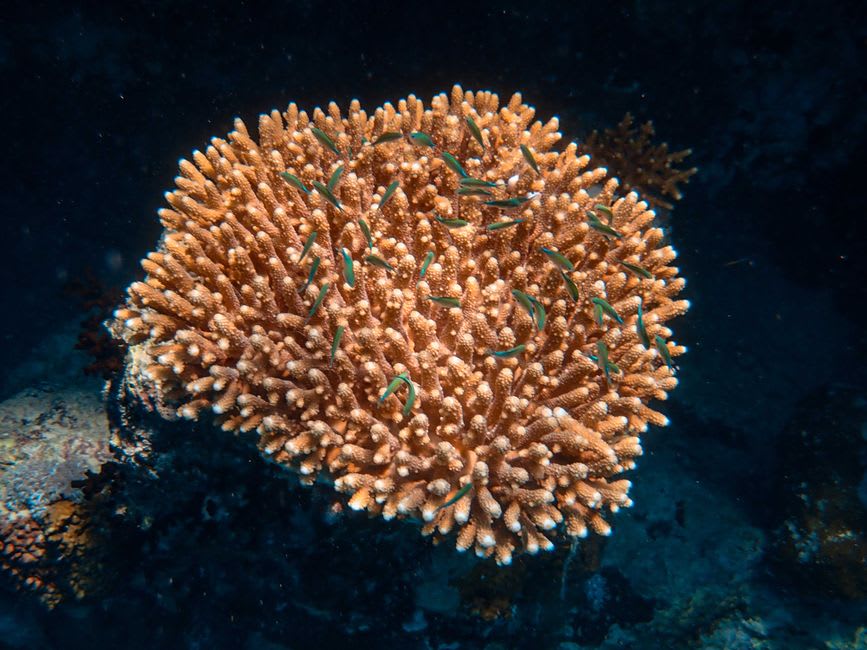
The coral diversity here is remarkable even by reef standards — plate coral the size of dinner tables, fields of staghorn in improbable pale blues and pinks, clouds of blue-green chromis moving as one nervous unit whenever a bigger fish passed through. Because Agincourt sits so far from shore, the water clarity on a good day is some of the best I have experienced on the whole reef system, closer to aquarium glass than ocean.
When to go: June to November brings the calmest crossing and clearest water. The boat ride out can be rough in windier months, so if you are prone to seasickness, take medication in advance and aim for the earlier, calmer part of the year.
Keep exploring
More from Great Barrier Reef
 great-barrier-reef
 Cairns
A tropical gateway city that hums with departure energy — everyone here is about to go somewhere extraordinary.
Explore great-barrier-reef
 Cape Tribulation
The one place where I stood with rainforest at my back and reef water at my feet and understood, physically, what 'two worlds meeting' actually means.
Explore great-barrier-reef
 Cod Hole
A single dive site near Lizard Island famous for potato cod the size of a bathtub that swim right up and stare at you like they're deciding something.
Explore great-barrier-reef
 Dunk Island
A rainforest-covered island abandoned by its resort and reclaimed by wallabies, which somehow made it more compelling to visit, not less.
Explore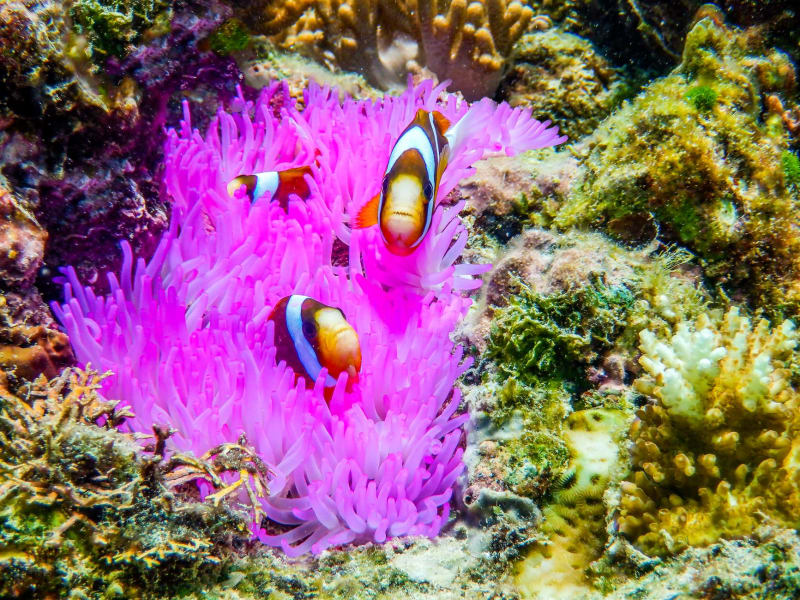 great-barrier-reef
 Fitzroy Island
A rainforest-covered national park island twenty-six kilometres from Cairns that earns its day trip and then some.
Explore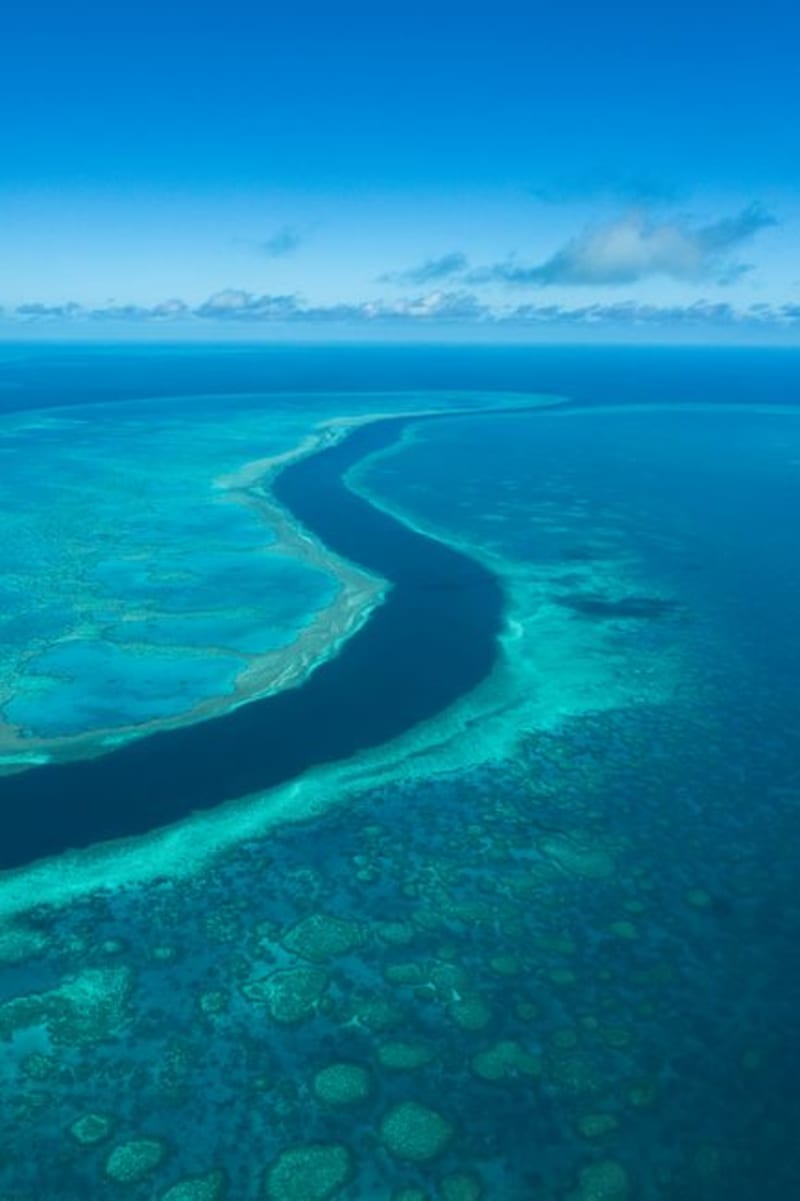 great-barrier-reef
 Green Island
A genuine coral cay wrapped in rainforest, close enough to Cairns for a day trip and strange enough to feel like a different planet.
Explore