Lickershamn
"Jungfrun is twelve meters of limestone and it has no business being beautiful. And yet."
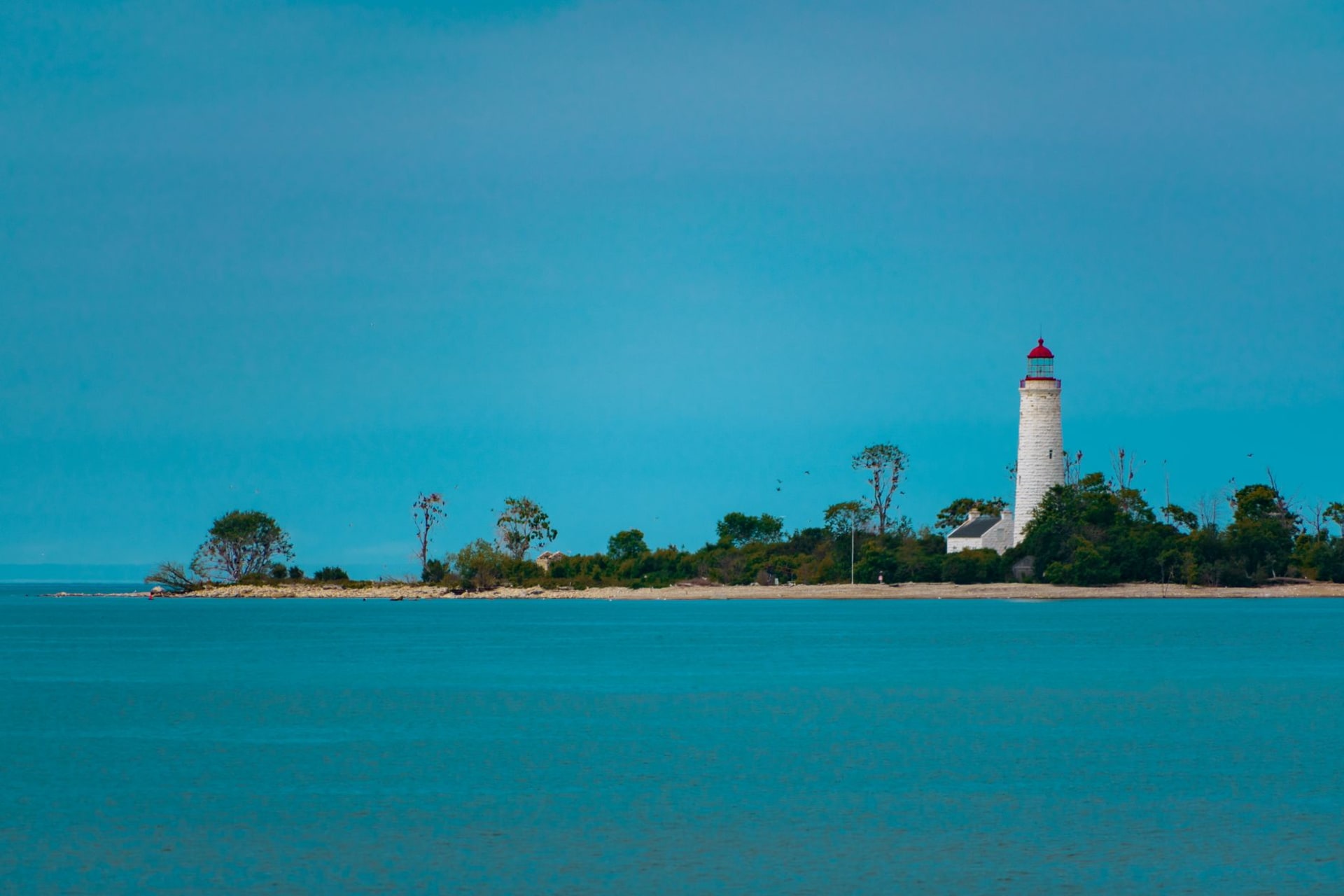
I came to Lickershamn specifically for the raukar and found a village that was doing something else entirely, indifferent to my agenda. The harbour is small and functional: a few fishing boats, a wooden pier, a boat house with a green door that was locked. Red wooden cottages stepped up from the water on the low slope behind. It was a Tuesday in late June and a man was painting his fence with the slow attention of someone who planned to be at it for some time. I asked if he knew how to reach Jungfrun and he put down his brush and pointed west along the coast without speaking, which turned out to be all the directions I needed.

Jungfrun — the Maiden’s Ruin in translation, though no ruin was ever less ruined — is the tallest raukar on Gotland. It stands at the water’s edge about ten minutes’ walk west of the harbour, twelve meters of limestone carved into a shape that manages to suggest a figure without committing to which part. The name comes from an old legend I was given three different versions of in the village. The rock stands apart from the cliff, separated by a narrow channel of water you can wade through at low tide, and it has the quality of all genuinely strange natural things: no amount of geological explanation quite accounts for the fact of it simply being there. I walked around it twice, once in each direction, and the second time I found a small smooth ledge at the base where someone had left a coin.
The coast north and west of Lickershamn opens into long stretches of limestone shelf and smaller raukar clusters, with a walking path that follows the cliff line through a coastal landscape of twisted pine trees growing horizontally from the rock face under the pressure of constant north wind. The Baltic here looks different from the east coast — darker, more exposed, with a chop on the water even on calm days that suggests it knows what winter looks like. I sat at the edge of the cliff in the afternoon watching a sailing boat make slow progress northward and ate the last of my bread and felt the north wind very specifically on my face.

The village has a café that opens in summer — I found it closed on arrival and open on my return, staffed by someone who appeared to have just remembered they ran a café. I had coffee and a cinnamon bun and sat watching the harbour in the afternoon and thought that if I lived here I would be the person painting the fence with unhurried attention, and that this was a form of achievement rather than an insult to ambition. There are worse ways to pass a Tuesday in late June.
When to go: June through August, when the café is open and the coast path is dry. The walk to Jungfrun is easy and suitable for any fitness level. Combine with a stop at Lummelundagrottan — the cave system fifteen kilometers south — for a full day exploring northern Gotland. Bring wind protection regardless; the north coast is exposed in every season.