Asia
Goa
"The spice of Goa isn't in the food — it's in the air itself."
The ferry crossing the Mandovi River was still moving when I smelled it — a mix of feni, jasmine garlands, and something frying in coconut oil coming off the Panaji ghats. I’d arrived by overnight train from Mumbai, groggy and crumpled, and Goa hit me before I even stepped off the boat. That’s the thing about this place: it doesn’t wait for you to settle in.
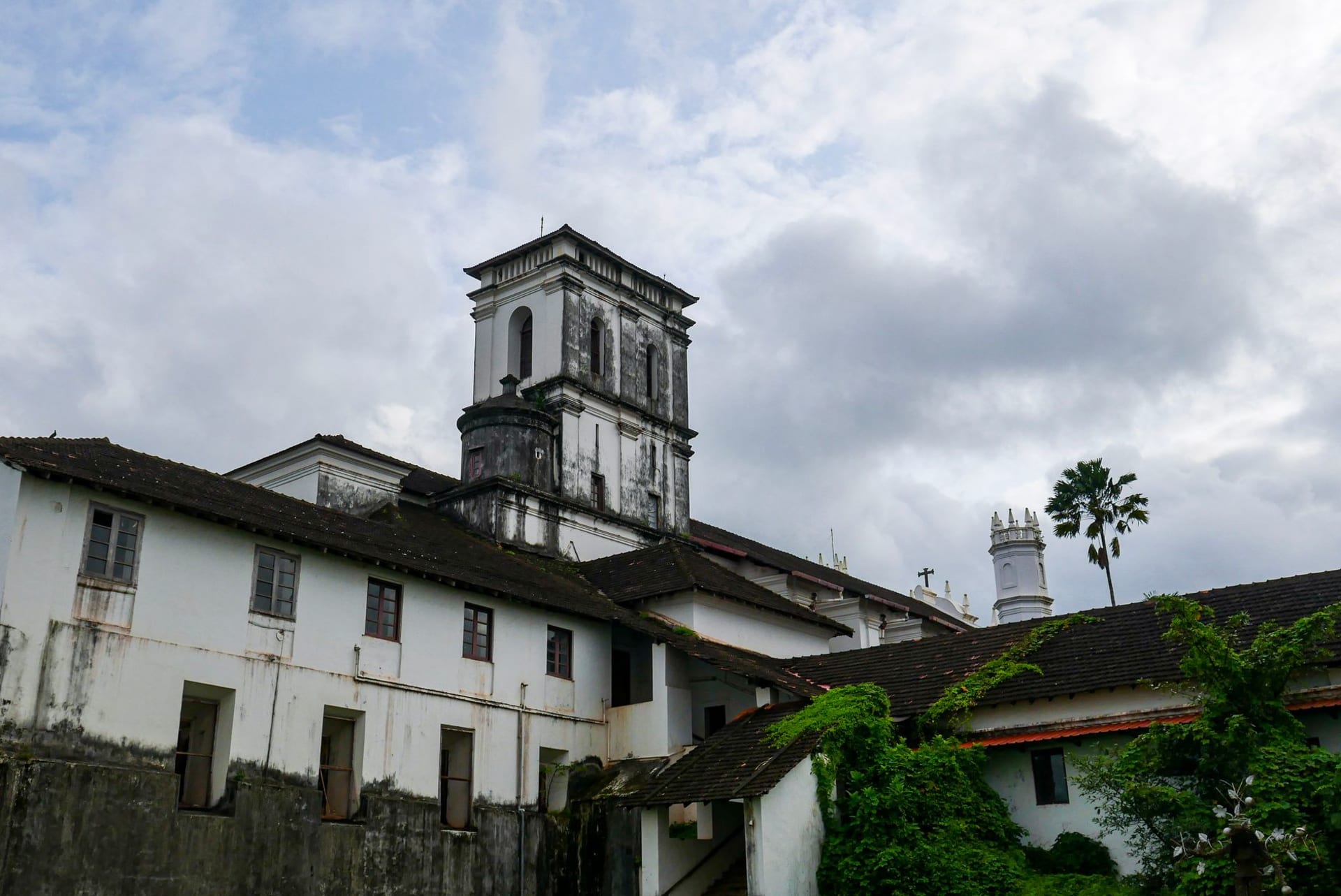
Most people picture beach shacks and full-moon parties when they hear “Goa,” and sure, those exist — Anjuna and Vagator still carry the ghost of that 1970s freak scene, and you’ll find your share of Israeli techno and fluorescent cocktails if you want them. But the Goa I kept returning to was somewhere else entirely. It was in the old Latin Quarter of Fontainhas in Panaji, where Portuguese tiles cling to mustard-yellow houses and Catholic families have lived in the same rooms for four generations. It was in the fish thali at a roadside place in Margao — kingfish curry so sharp with kokum it made my eyes water, rice piled high, pappadum on the side, thirty rupees. It was in the 4 PM stillness of the Basilica of Bom Jesus in Old Goa, where the actual bones of Francis Xavier lie in a silver reliquary and the Baroque plasterwork looks more Lisbon than India.
I rented a Royal Enfield and spent three days just working my way between villages — Loutolim, Chandor, Quepem — past rice paddies that turn electric green in November, past cashew orchards that run right down to creek banks. The Portuguese left in 1961 but they left their bones in the land: the laterite stone churches, the mansions with their ironwork verandas, the language that still slips into Konkani conversations. It creates this double exposure you can’t quite shake — you’re in India, unmistakably, but something else keeps flickering through.
When to go: November through February. The monsoon (June–September) is dramatic and beautiful if you don’t mind everything being closed and the roads underwater, but for actually moving around and eating well, the dry season is it. December gets crowded with Indian domestic tourists and charter flights from Russia; January is the sweet spot.
What most guides get wrong: They treat Goa as a beach destination with some churches thrown in. It’s actually a food destination with beaches as a side effect. The Goan Catholic kitchen — xacuti, sorpotel, bebinca for dessert — is one of the most distinctive regional cuisines in India, and you’ll find almost none of it in the beach shack menus aimed at foreigners. You have to go to the local joints in South Goa, or get invited to someone’s home. That’s the Goa worth crossing the planet for.