Europe
Germany
"Germany is the most misunderstood country in Europe, and that is part of its appeal."
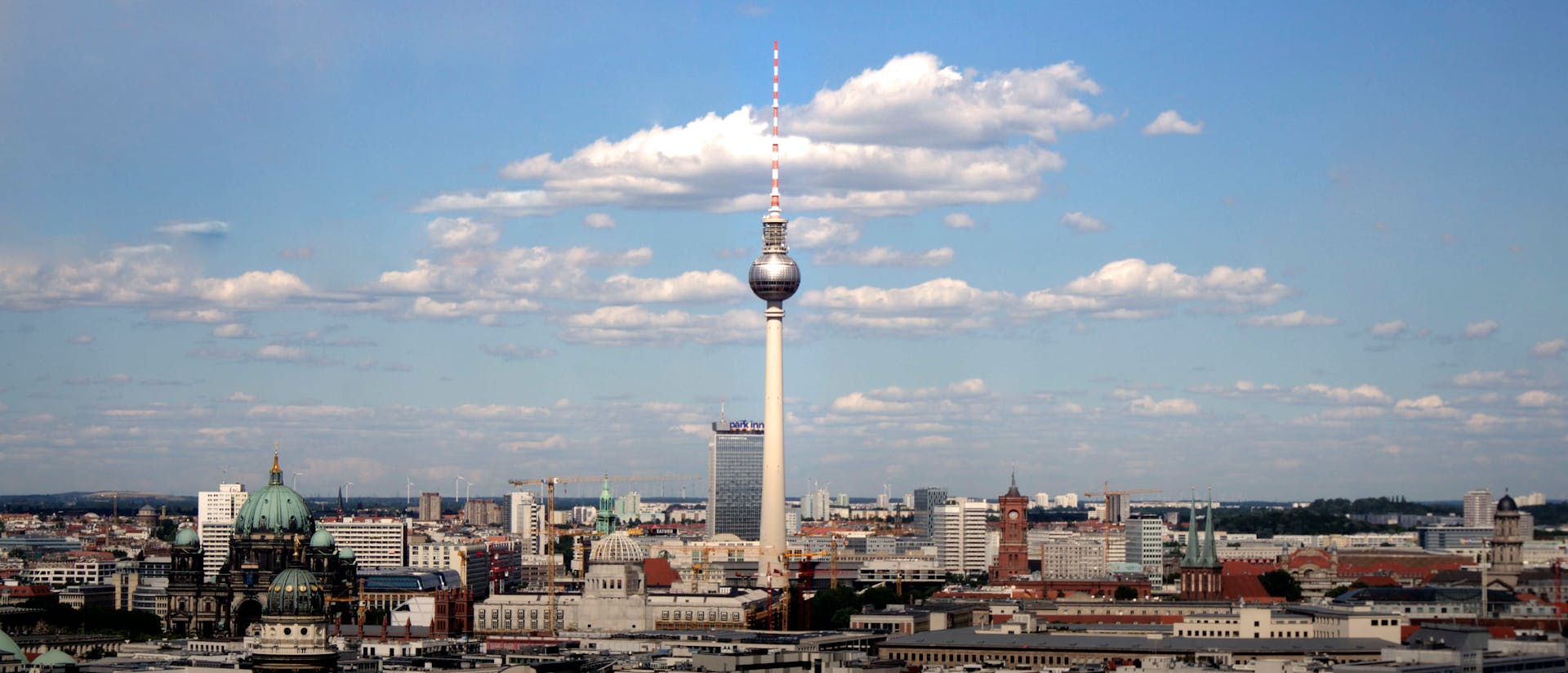
Germany confounds expectations, which is precisely why it deserves more attention than most travelers give it. The stereotype — efficient, orderly, serious — describes approximately none of the Germany you actually encounter. Berlin is one of the most anarchic, creative, and nocturnal cities on the continent, a place where a techno club occupies a former power plant and a museum island holds treasures that rival the Louvre. Munich performs Bavarian tradition with genuine warmth, but its art galleries and its proximity to the Alps give it a depth that Oktoberfest alone does not suggest. Between these poles lies a country of startling variety: the Romantic Rhine with its implausible castles, the Black Forest’s quiet villages, Hamburg’s maritime swagger, Dresden rebuilt from rubble into something luminous.
What strikes most visitors is how seriously Germany takes its pleasures. A bakery in a small Franconian town will offer bread made from recipes centuries old, with a precision that borders on devotion. The wine regions along the Mosel and Rheingau produce Rieslings of such crystalline clarity that they can make you reconsider the entire grape. Even the Christmas markets, which sound unbearably quaint in description, turn out to be genuinely magical — the smell of Glühwein and roasting almonds in a medieval square at dusk is a sensory experience that no amount of cynicism can fully resist.
When to go: May to June for long days and manageable crowds. September for wine harvest season along the Mosel and Rhine. December for Christmas markets, which are best in Nuremberg, Dresden, and Cologne. Avoid August, when half of Germany is on holiday.
What most guides get wrong: They skip the east. Saxony, Thuringia, and Brandenburg hold some of Germany’s most compelling landscapes and cities — Leipzig’s music scene, Weimar’s literary ghosts, the Spreewald’s strange, canal-laced forest. The east is less polished, less expensive, and frequently more rewarding than the well-trodden west.
Explore
Places in Germany
Bamberg
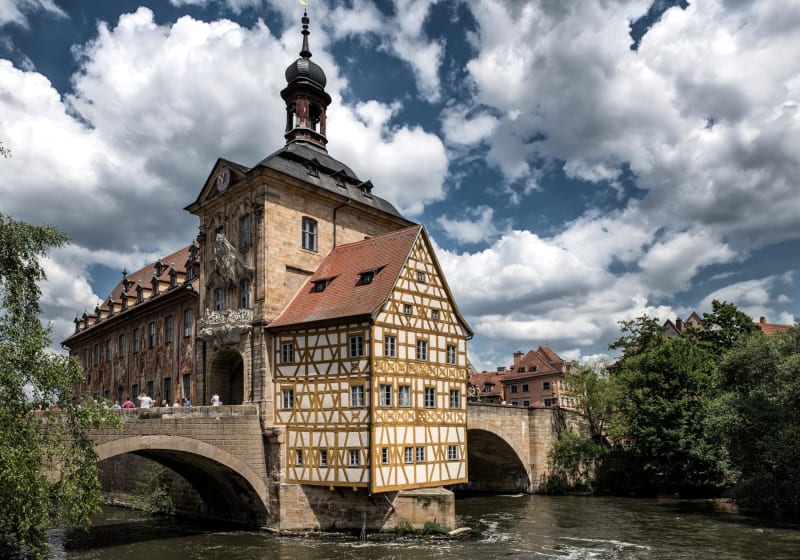
A UNESCO-listed Franconian city of seven hills, smoking chimney breweries, and a town hall improbably balanced on an island in the Regnitz river.

Bavarian Alps
Snow-capped peaks, emerald lakes, and storybook villages where the mountains touch the sky.
Berlin
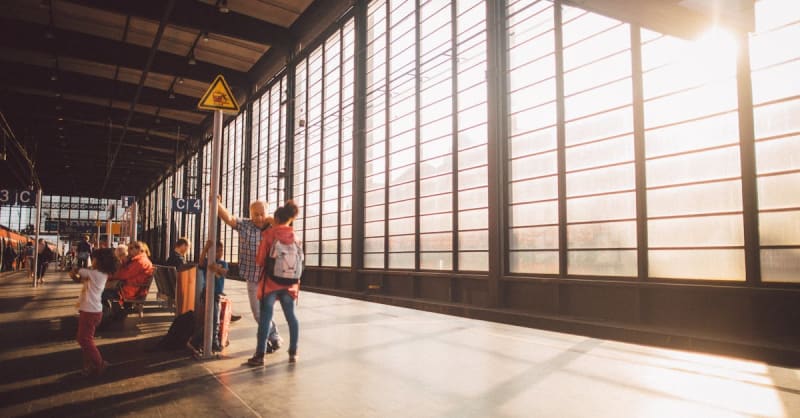
A city reinvented from rubble — raw, creative, and pulsing with a nightlife and art scene that never sleeps.

Black Forest
Dense pine forests, cuckoo clocks, and hiking trails through a landscape that inspired the Brothers Grimm.
Cologne
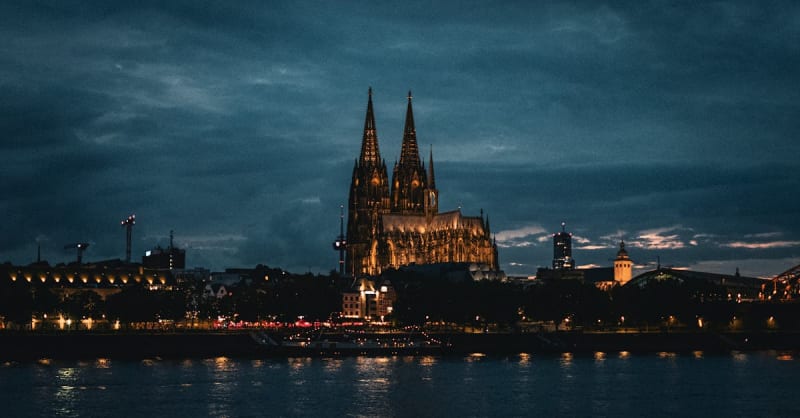
A Rhineland city of Gothic grandeur, golden Kölsch beer, and a warmth that defies the northern latitude.
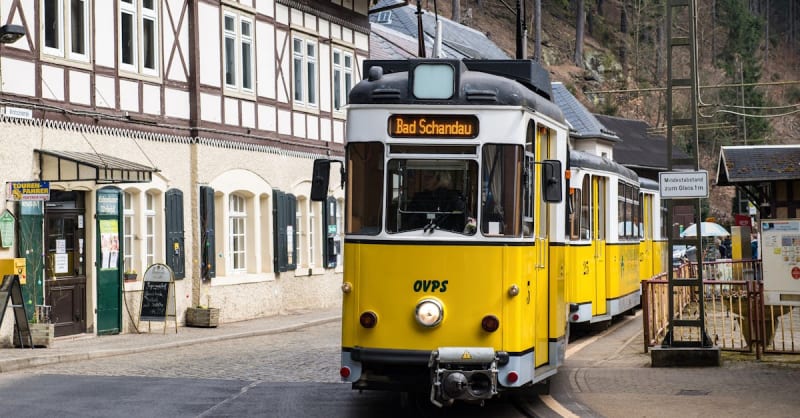
Dresden
Risen from ashes — a Baroque masterpiece rebuilt with painstaking devotion on the banks of the Elbe.
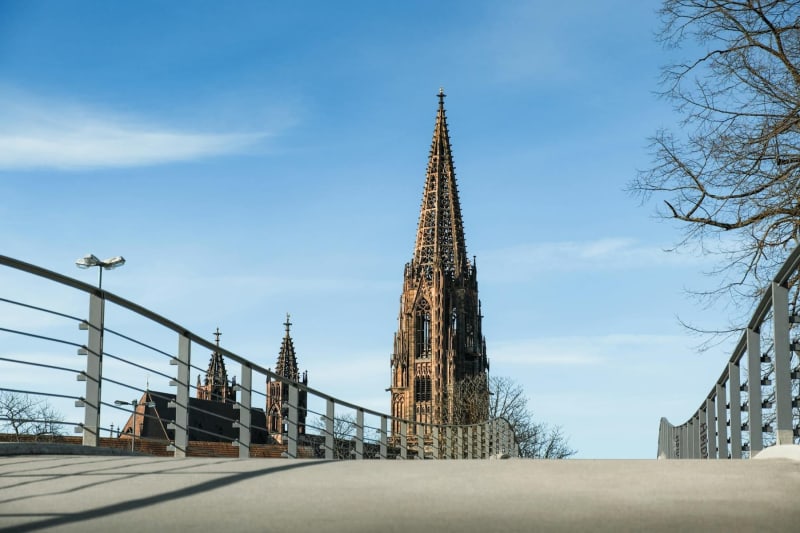
Freiburg
The sunniest city in Germany sits at the Black Forest's edge, its medieval minster presiding over a city of bikes, canals, and a student spirit.
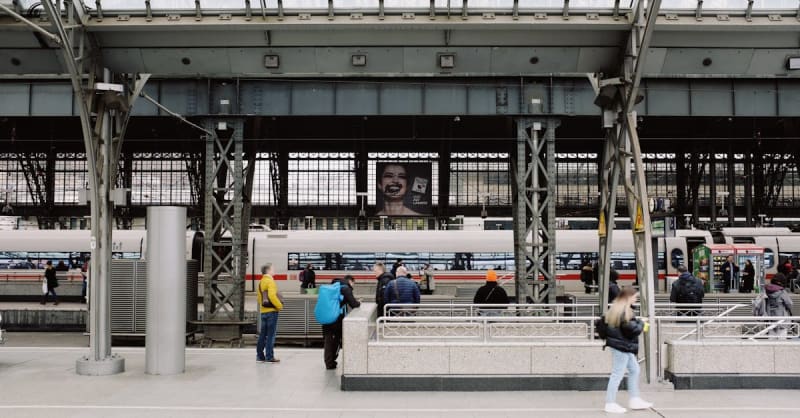
Hamburg
Germany's gateway to the sea — a port city of red brick, maritime grit, and a cultural scene that rivals Berlin.

Heidelberg
A romantic university town crowned by castle ruins, cradled by forested hills above the Neckar River.
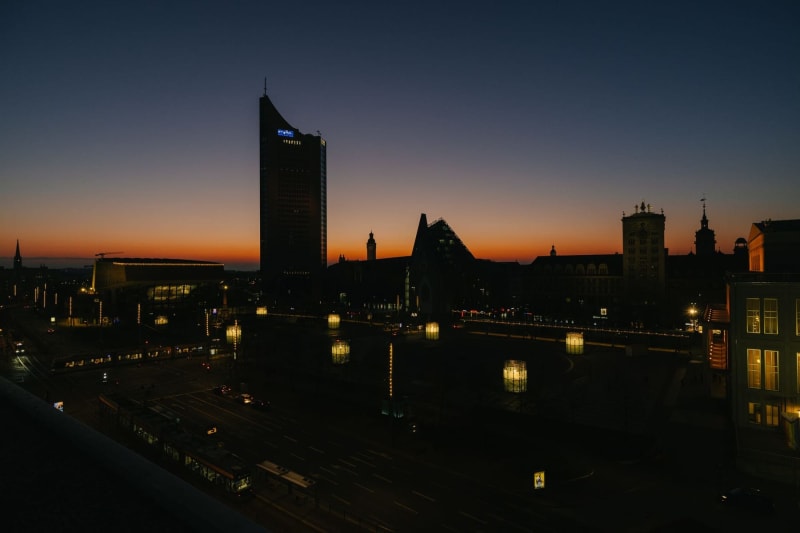
Leipzig
The city that gave the world Bach and the peaceful 1989 revolution pulses today with galleries, a thriving music scene, and raw creative energy.
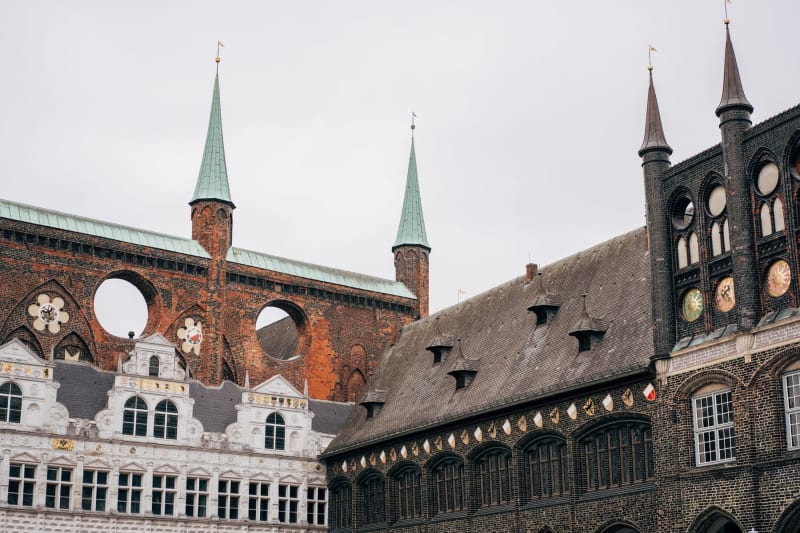
Lübeck
The queen of the Hanseatic League — a UNESCO island city of brick Gothic churches, marzipan shops, and Thomas Mann's shadow on every street.
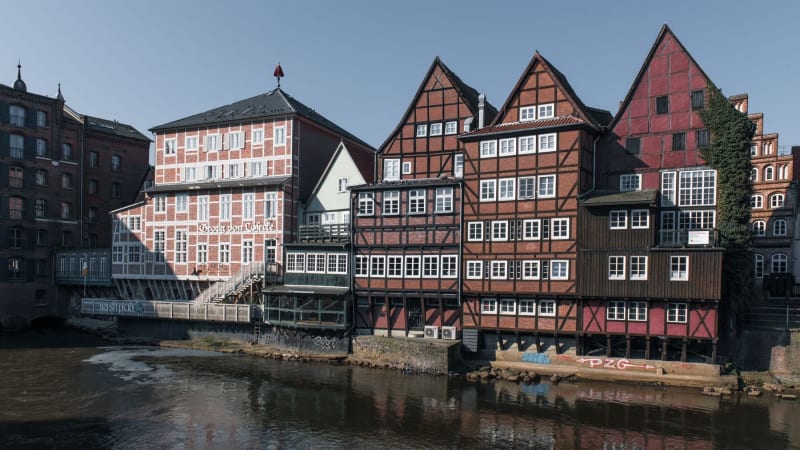
Lüneburg Old Town
A medieval salt-mining town in Lower Saxony whose buildings tilt and lean as the ground subsides beneath them.
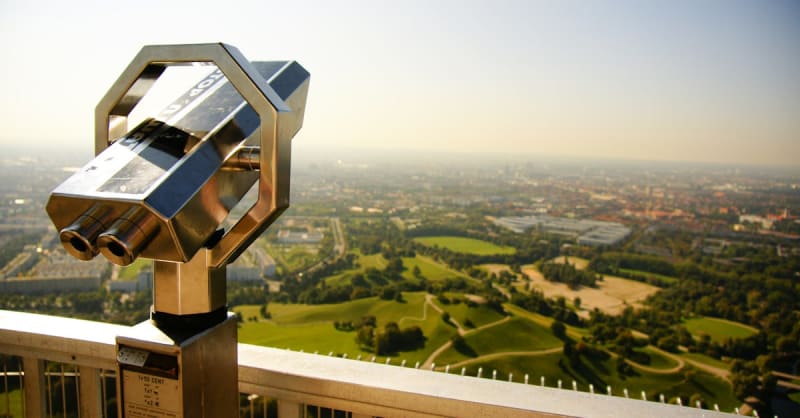
Munich
Bavaria's elegant capital — where beer gardens, Baroque churches, and Alpine views share the same postcode.
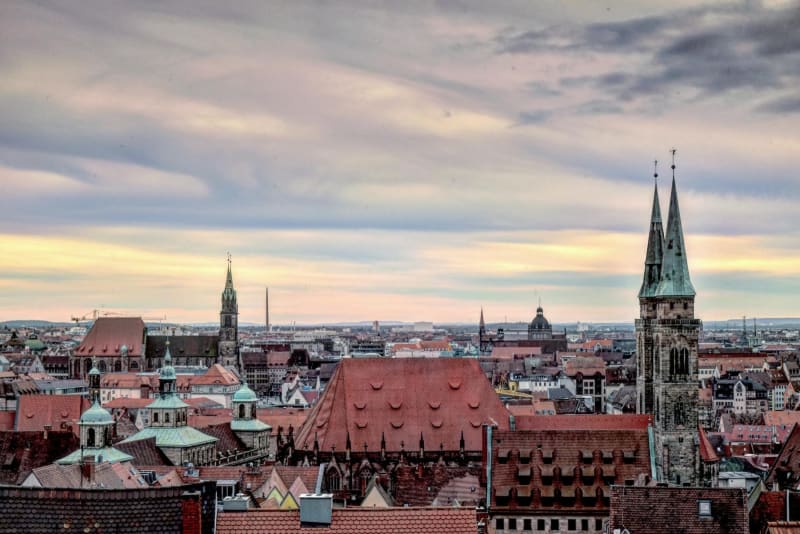
Nuremberg
A city that held the highs and lows of German history — imperial grandeur, Nazi trials, and a Christmas market so beloved it defines the season.
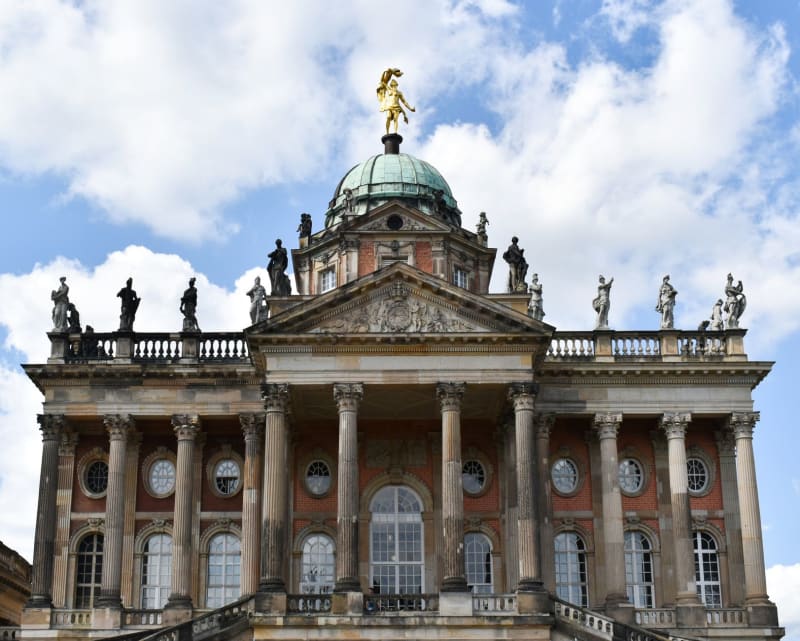
Potsdam
Prussia's old royal seat just outside Berlin, where rococo palaces, terraced vineyards, and a strange Dutch quarter sit among lakes and parkland.

Rhine Valley
Castle-crowned cliffs and terraced vineyards lining Europe's most storied river.
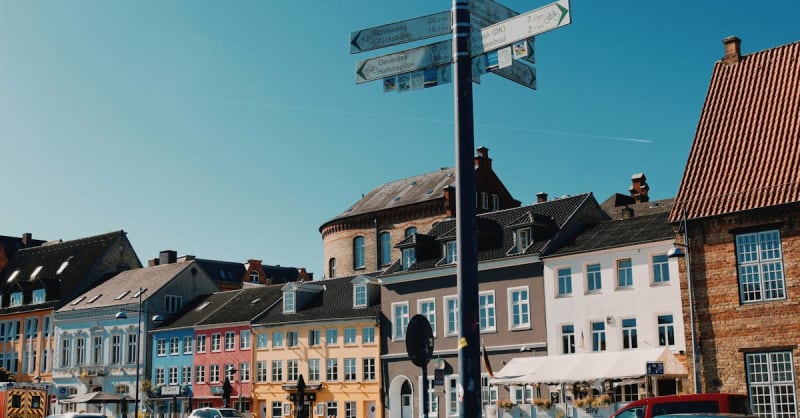
Rothenburg
A medieval walled town frozen in time — half-timbered houses, cobblestone lanes, and towers from a fairy tale.
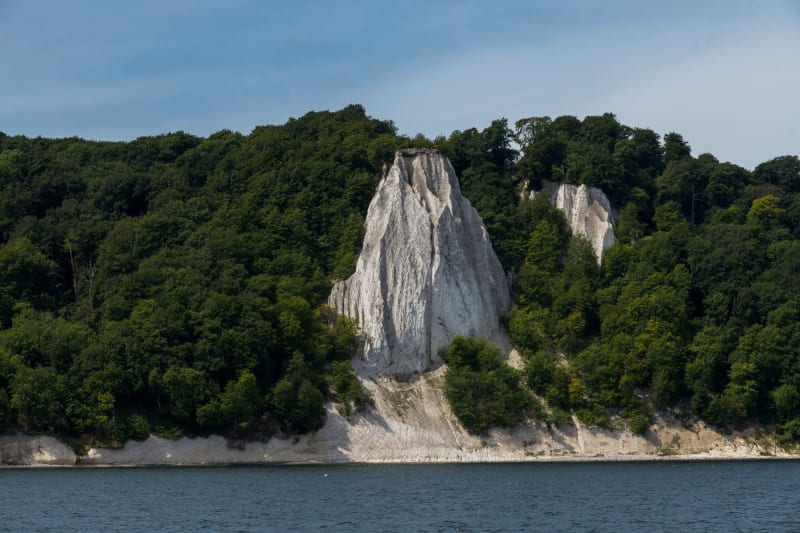
Rügen Jasmund
Baltic island chalk cliffs rising 100 metres from the sea in the Jasmund National Park, painted by Caspar David Friedrich.
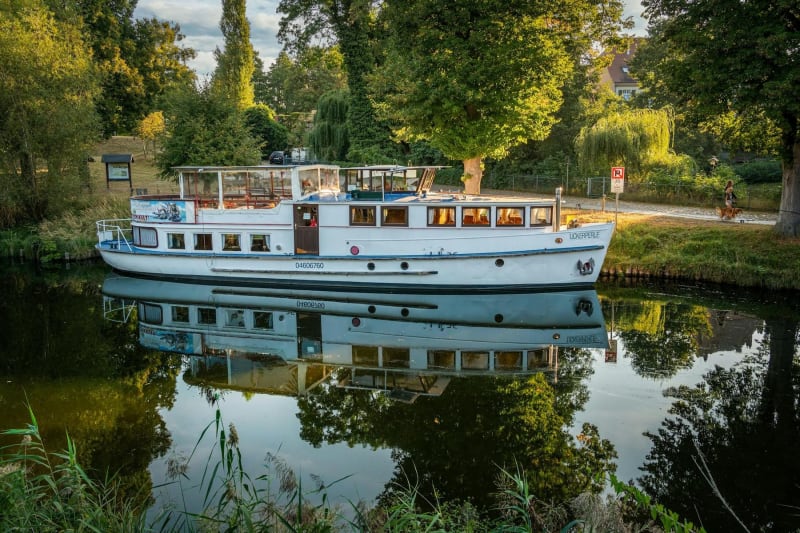
Spreewald
A UNESCO biosphere of 200 channels through old-growth alder forest south of Berlin, navigated by traditional flat-bottomed punts.

Trier
Germany's oldest city wears its Roman past on its sleeve — the Porta Nigra, amphitheatre, and imperial baths are simply the street furniture here.

Free download
Get the Germany Guide
A curated PDF itinerary with honest picks, real restaurants, and the details that matter — the kind you'd actually print and bring.
Download the guide