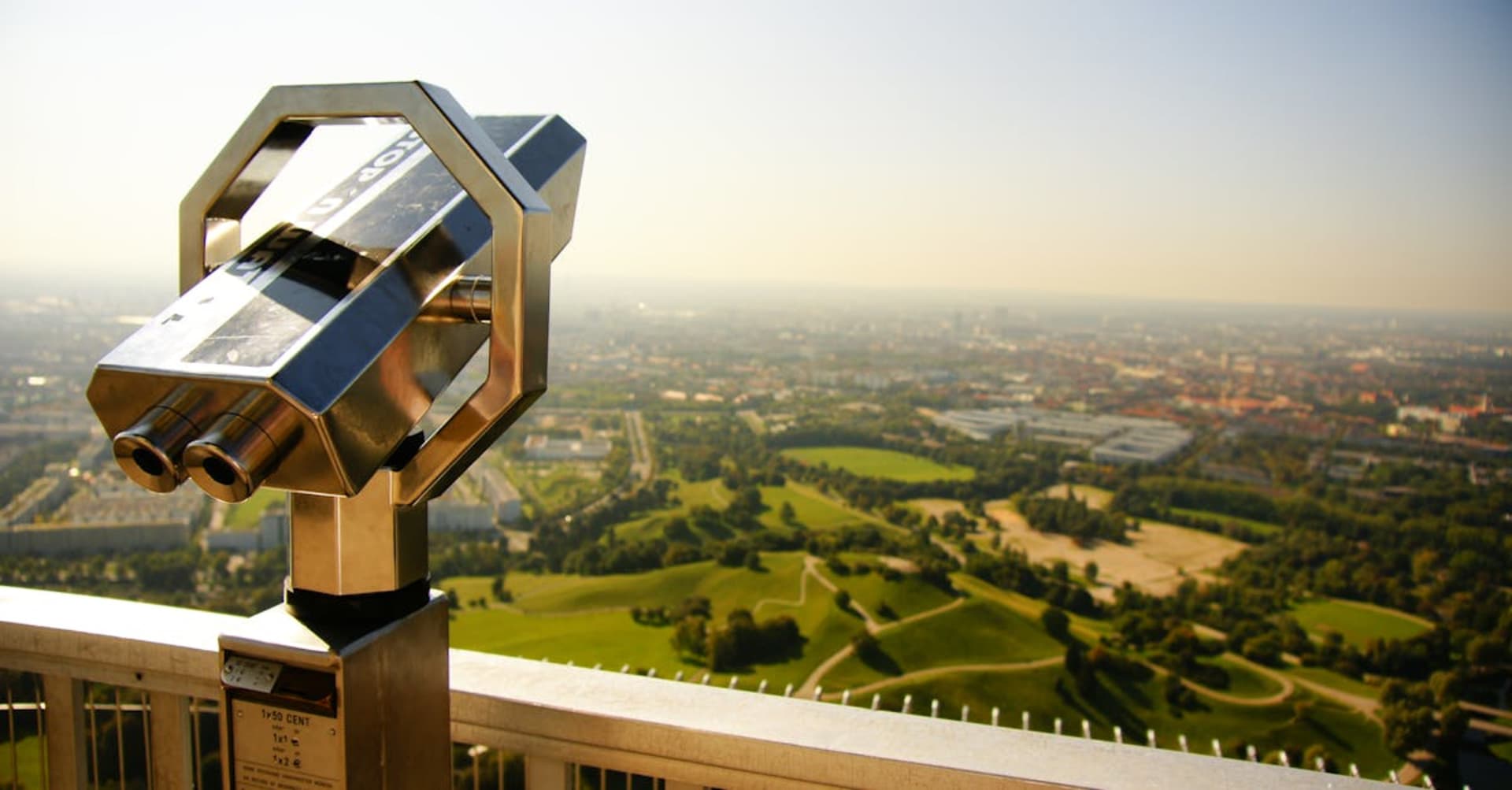
Munich is Germany’s most livable city — prosperous, orderly, beautiful, and possessed of a beer culture so deeply embedded it functions as civic religion. The English Garden is larger than Central Park, with a river surfing wave and beer gardens shaded by chestnut trees where a liter of Augustiner costs less than you would expect for something so perfectly made. I sat in the Chinesischer Turm beer garden on a June afternoon, surrounded by families, students, and elderly couples who had clearly been coming here for decades, and understood why Munich regularly tops quality-of-life rankings: the city has figured out how to combine German efficiency with something that feels almost Mediterranean in its commitment to outdoor pleasure.
The Altstadt centers on the Marienplatz, where the Glockenspiel performs its mechanical ballet at eleven each morning. The Residenz — the former royal palace — is a staggering accumulation of rooms, each more ornate than the last, the Antiquarium’s vaulted ceiling alone worth the visit. The Alte Pinakothek holds Dürer, Rubens, and one of the finest collections of European painting outside Paris — a claim I make as someone who grew up visiting the Louvre and does not say this lightly.

But Munich’s true character emerges in its neighborhoods: Schwabing’s intellectual cafés where Thomas Mann once held court, Haidhausen’s farmers’ markets on Saturday mornings, the Viktualienmarkt’s outdoor food stalls where white sausage is eaten before noon, as tradition demands. I made the mistake of ordering Weisswurst at 12:30 and received a look from the vendor that communicated, without words, that I had committed a cultural offense roughly equivalent to ordering red wine with fish in Bordeaux.
The proximity to the Alps is Munich’s secret weapon. Within an hour you can be hiking above the treeline, standing on a ridge with views into Austria, eating Kaiserschmarrn at a mountain hut where the only sound is cowbells. The city exists in permanent dialogue with the mountains — you can see the peaks from the beer gardens on clear days, a reminder that Munich offers both civilization and wilderness, and does not ask you to choose.

The Englischer Garten deserves a full day. Beyond the beer gardens and the surfers on the Eisbach wave, there are paths that wind through meadows where locals sunbathe with a casualness about nudity that still startles visitors from more prudish cultures. I walked for two hours and emerged at the Kleinhesseloher See, a lake with a beer garden on its shore, and thought: this is what cities could be, if they decided to prioritize joy.

When to go: June through September for beer gardens and Alpine day trips. Late September brings Oktoberfest — book accommodation months in advance and prepare for crowds that redefine the word. December’s Christkindlmarkt on Marienplatz is enchanting, the tree lit against the Gothic backdrop of the Neues Rathaus.