
Uplistsikhe
"I put my hand on rock that people were already living in before the pyramids finished settling."
A cave city carved into volcanic rock above the Mtkvari River, inhabited since the Iron Age and abandoned to silence after the Mongols came.
We drove out from Gori on a whim, really — Lia had read a paragraph about a “cave town” in some dog-eared guidebook page and said we had two hours before the light went flat, so we should just go. Nothing prepares you for the scale of Uplistsikhe when it appears above the Mtkvari River: an entire outcrop of volcanic rock, honeycombed with rooms, staircases, and passages, looking less like a ruin and more like the rock itself had once been alive. I stood at the base for a long minute doing the math in my head — late second millennium BCE — and gave up trying to make it feel real. It’s one of the oldest urban settlements in the Caucasus, and it does not perform that age for you. It just sits there, indifferent, daring you to catch up.
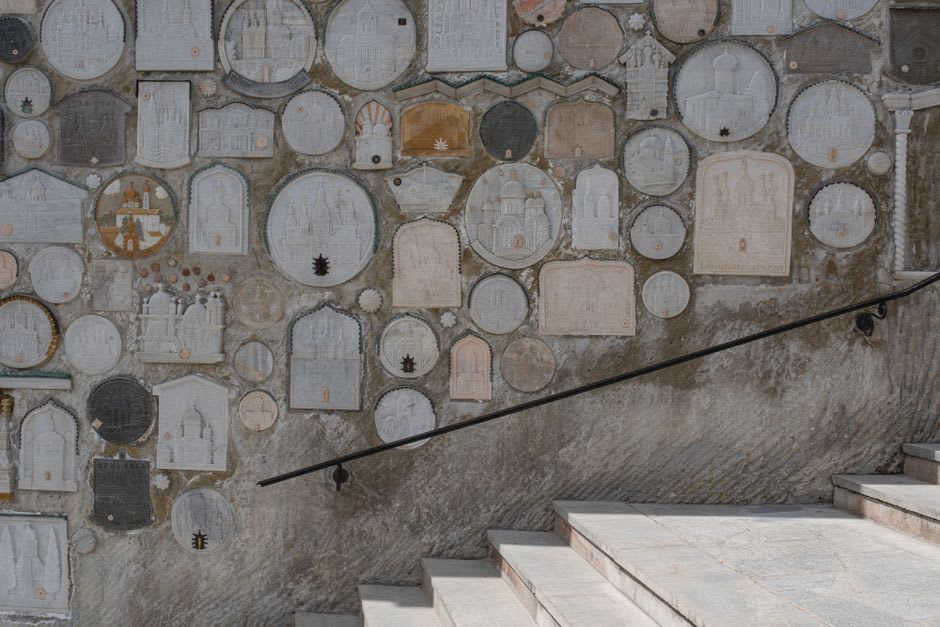
What got me wasn’t the age so much as the layering. Before Christianity ever reached Georgia, this was a political and religious center of real consequence, with pagan temple complexes cut into the same stone that later held medieval halls and, eventually, a three-nave basilica sitting almost apologetically on top of everything older. Lia found the hall people call the “Uplistsikhe theatre” before I did — she was already crouched at its edge, tracing the carved seating with her finger, and I remember thinking that whoever gathered here to watch something performed had absolutely no idea their seats would outlast their gods. We ate our lunch, bread and some hard cheese we’d bought in Gori’s market that morning, sitting on a ledge that had probably hosted a few thousand years of other people’s lunches.
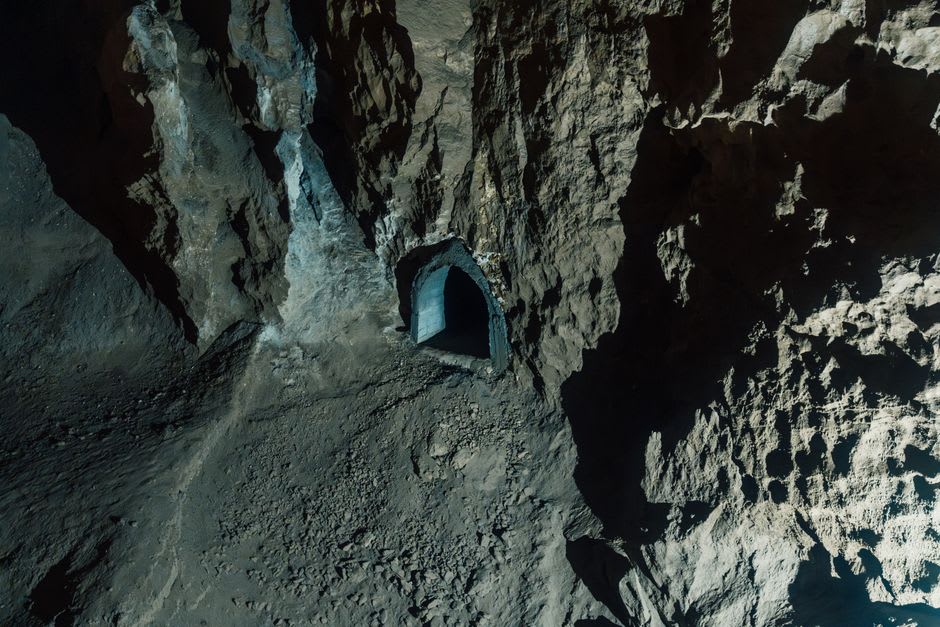
The detail that stayed with me longest was the tunnel — a narrow passage the residents carved through the rock down toward the river, so that during a siege they could still reach water without stepping outside the walls. I climbed partway into it, hunched, one hand on cold stone, and felt a very specific kind of respect: not for a monument, but for the plain, stubborn practicality of people who’d thought several moves ahead of whoever was coming for them. It didn’t save the city forever — Mongol raids in the 13th and 14th centuries emptied it out for good — but for a few thousand years, that tunnel worked exactly as intended.
We left as the sun dropped low enough to turn the whole outcrop amber, and I kept turning around to look at it from the car, the way you do with a place you suspect you undersold to yourself while you were standing in it. Uplistsikhe doesn’t ask much of you — no queue, no gift shop pressure, just several hundred rock-cut rooms and the wind — but it gives back a strange, slow-dawning awe that hit me properly only once we were already back on the road to Gori.
When to go: Aim for spring or autumn — the terraces are exposed rock with almost no shade, and Uplistsikhe in the flat heat of midsummer is a different, far less forgiving kind of climb.