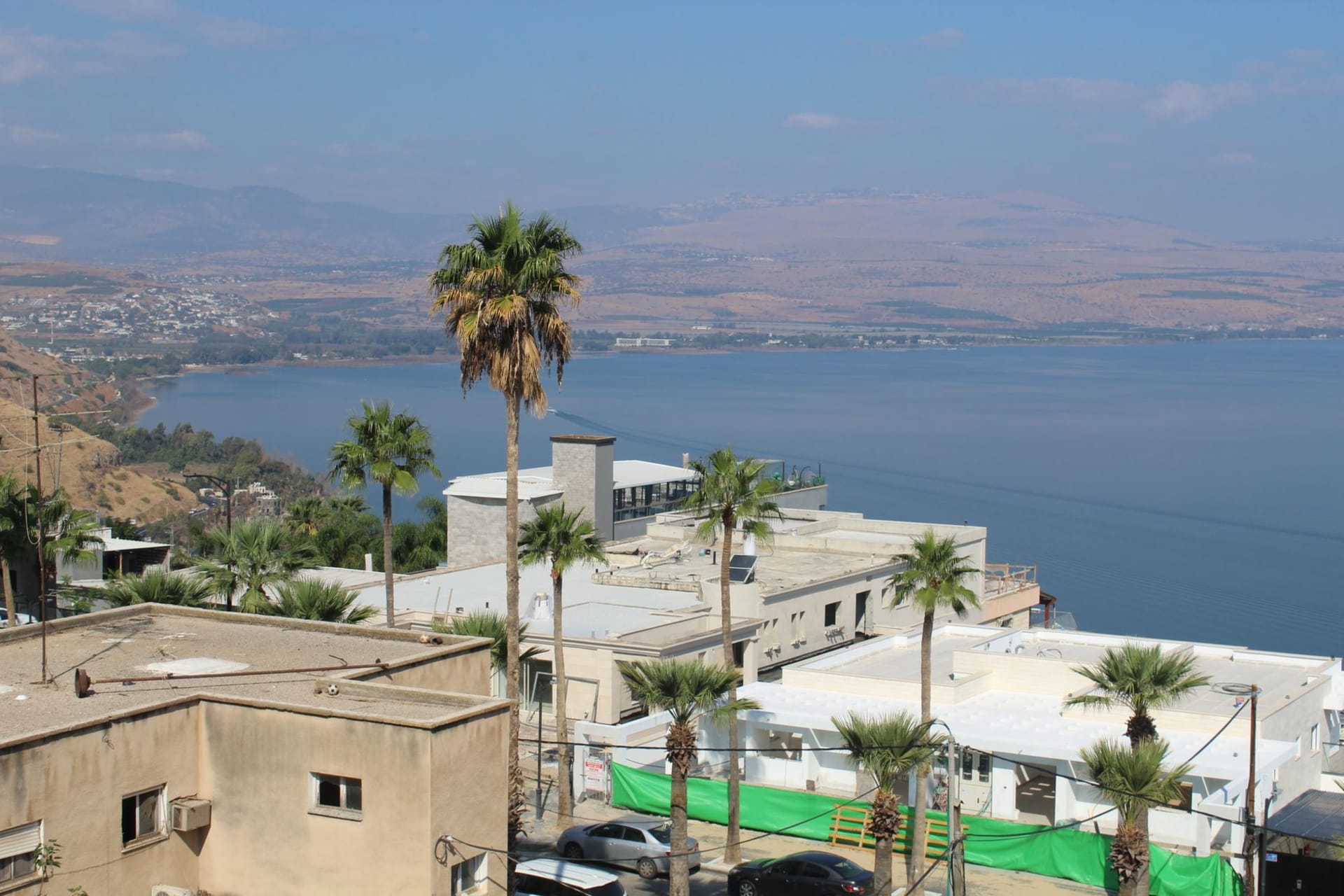
I drove up to Safed in the late afternoon and the city appeared gradually through layers of mountain haze — stone buildings on a ridge at nine hundred meters, the highest city in Israel, the kind of place that makes you aware you have been climbing for twenty minutes without realizing it. By the time I found a place to park near the artists’ quarter, the air was different: cooler, thinner, carrying a resinous quality from the pine forests that line the upper slopes. In July, when the coast below is punishing, Safed is where Israeli artists and writers and mystics have always retreated. The hill creates its own microclimate, its own psychological weather.
The artists’ quarter occupies what was once the city’s main commercial district — the streets where wool merchants and tanners and dyers worked in the Ottoman period — and the transformation has been partial rather than total, which is what makes it interesting. The galleries occupy low stone buildings with thick walls, their interiors cool even in summer. The work inside ranges from serious to tourist-grade, but I didn’t come for the art itself. I came for the buildings that house it, and for the doors — dozens of them painted in shades of blue ranging from deep cobalt to a faded, chalky turquoise. The tradition is Kabbalistic: blue represents the divine, the heavens, protection against the evil eye. In practice it means that every alley you turn down offers a different shade of sky framed by stone, and the overall effect is less decorative than atmospheric.
Safed has been a center of Jewish mysticism since the sixteenth century, when scholars like Joseph Karo and Isaac Luria — known as the Ari, the Lion — established the city as the capital of Kabbalah study. Their synagogues still stand in the old quarter below the artists’ district, and on a Friday afternoon before Shabbat begins, they fill with men in white shirts who have traveled from Tel Aviv and Jerusalem and Brooklyn to spend the Sabbath in what they consider one of the holiest cities in the world. I sat outside the Ari Ashkenazi synagogue on a Friday evening and listened through the open doors as the Kabbalat Shabbat prayers began — a melody that started with a single voice and built gradually into something that filled the stone alley and rose into the mountain air. It was not a performance. Nobody was performing for me. That was what made it land.
The food in Safed is not the point and not particularly distinguished, but there are bakeries in the old quarter that make Jerusalem bagel bread and a soft sesame roll called ka’ak that you can eat with labaneh and olive oil from the morning market. I bought mine from a woman who had a fold-out table near the covered market and ate standing in the street, watching the Friday afternoon traffic — families carrying flowers for Shabbat, elderly men in fur hats despite the warm weather, backpackers with enormous packs looking mildly disoriented. The city holds all of them without strain.
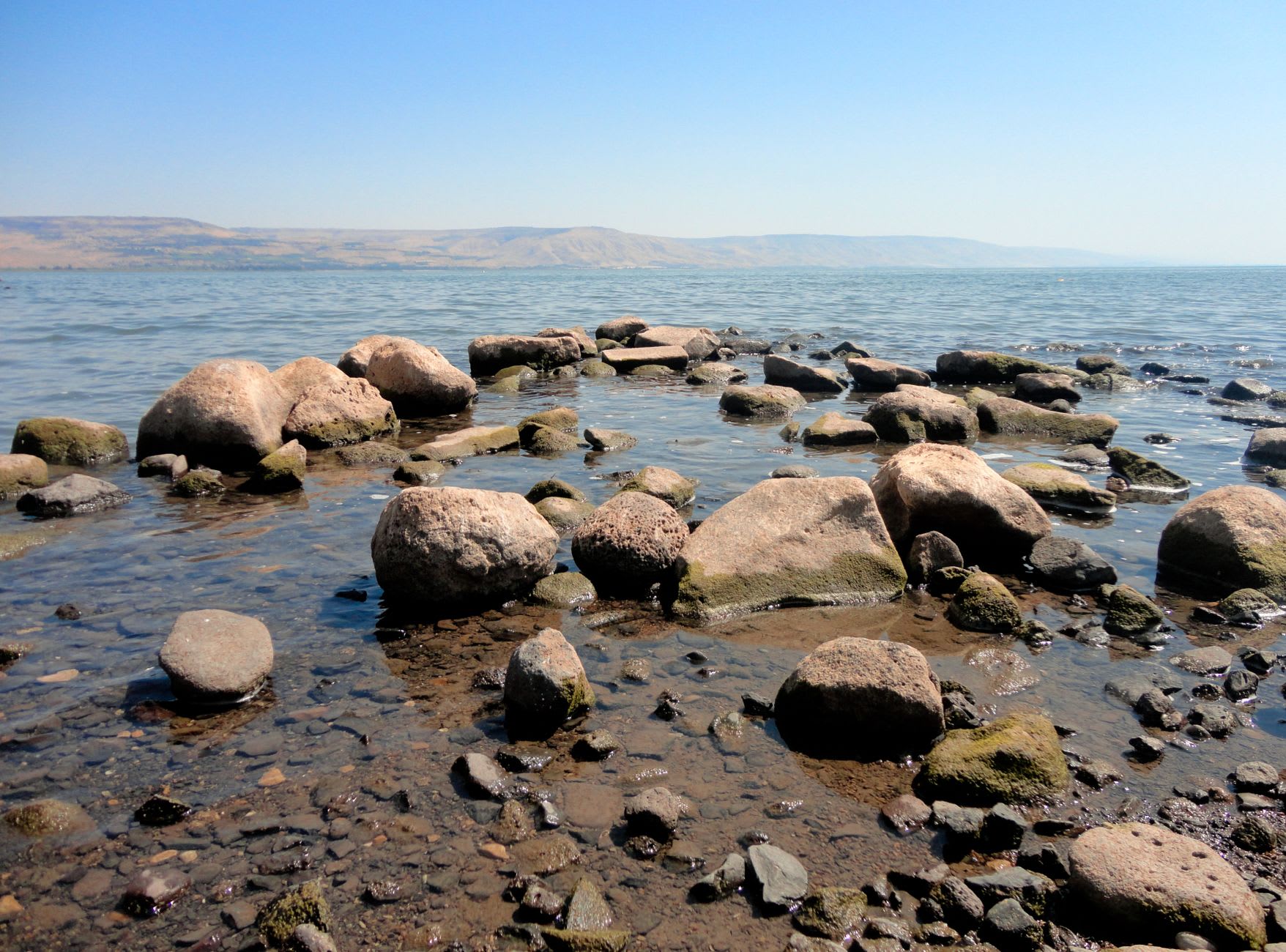
What stays with me from Safed is the quality of the morning light after an overnight stay. From the roof terrace of the guesthouse where I stayed, the Galilee hills unfolded below like a painted map — the Sea of Galilee catching the sun to the south, the Lebanese ranges visible to the north, everything washed in a clarity that the lower altitude never quite achieves. The mystics who settled here in the sixteenth century chose this location partly for strategic reasons and partly, I suspect, because this particular light at this particular altitude produces a certain susceptibility to the feeling that the ordinary world is slightly thinner here, that something else is closer.
When to go: Safed in winter can be cold and occasionally snowy — genuinely magical if you hit it right, but plan for it. Spring and autumn are ideal: cool nights, warm days, the mountain air without summer’s crowds. Avoid late July and August when Tel Aviv and Jerusalem effectively relocate here and accommodation fills weeks in advance.