Rosh Pina
"Rosh Pina is the kind of village that makes you want to cancel the rest of your itinerary and just stay."
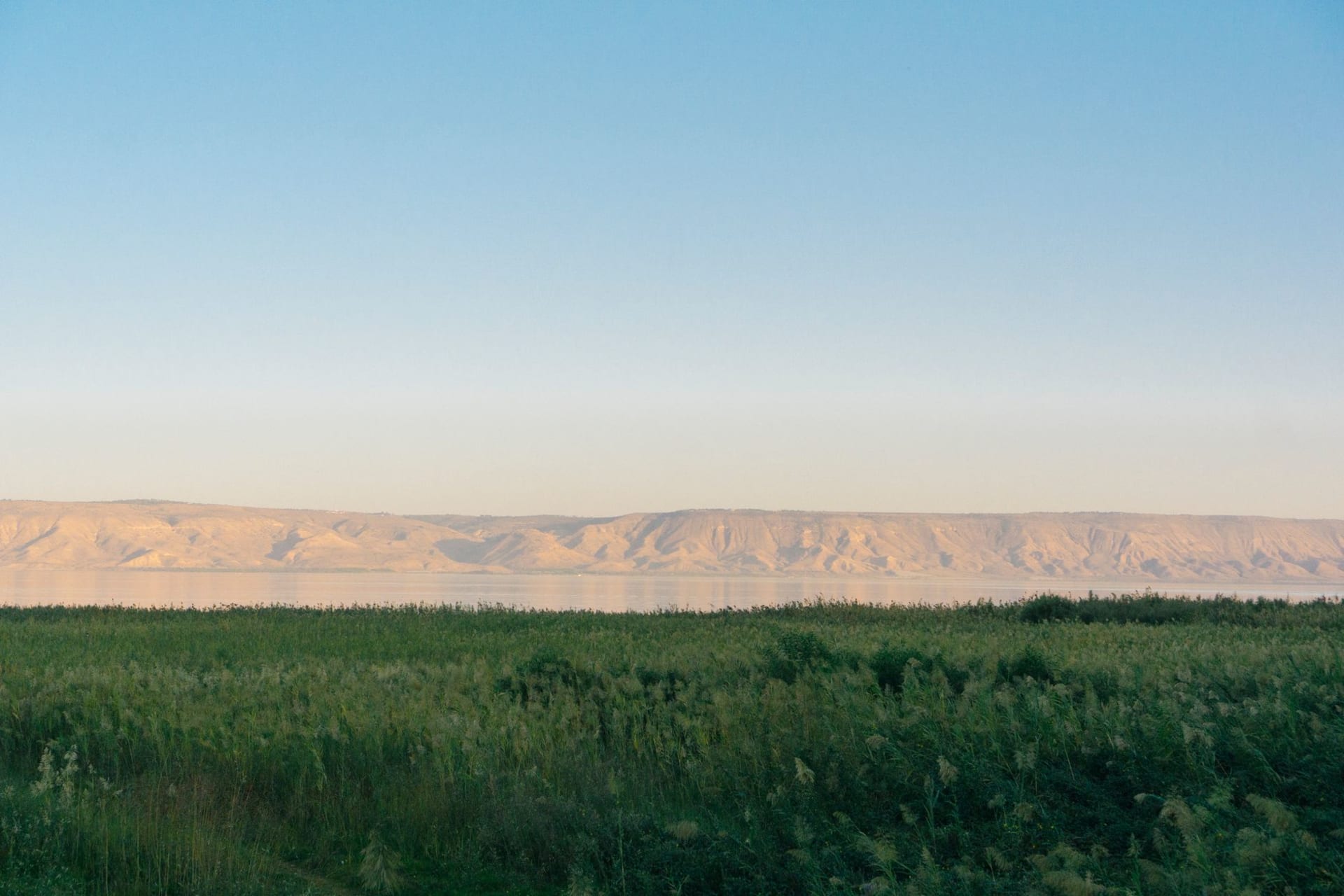
I drove up to Rosh Pina from the valley below in the late afternoon, the road climbing steeply through scrub oak and wild pistacia, and the view kept opening wider with each switchback until the whole Hula Valley was spread below — a flat green rectangle between the Galilee hills and the Golan Heights, with Mount Hermon capped white at the north and the thin silver line of the Jordan River just visible if you knew where to look. The village itself appeared with no fanfare: a cluster of ochre stone houses on the western slope of a ridge, bougainvillea falling over walls, cats asleep on doorsteps. The kind of place that looks like it has been there forever, which in its current form it hasn’t — Rosh Pina was founded in 1882 by Romanian Jewish immigrants, making it one of the earliest modern settlements in what was then Ottoman Palestine — but which has been lived in continuously long enough that it has developed the relaxed, slightly shabby grace of a place that no longer needs to prove anything.
The main street, called Mitpe HaShikma, runs along the spine of the ridge and is lined with the original nineteenth-century stone buildings — some restored to boutique hotels and wine bars, some still holding the families that have been there for four or five generations. Walking it in the early evening, when the heat softens and the swallows begin their dusk circuits above the rooftops, has a quality that I associate with certain French villages in the Languedoc: the sensation of time moving at a different pace, calibrated to something older than urgency. At the northern end of the street there is a small museum in the building that was once the settlement’s first school, and the exhibits — photographs, tools, letters in Romanian and Hebrew — tell the story of the original settlers with enough specificity to make them feel like actual people rather than historical abstractions. The school opened in 1888. The children who sat in its first classrooms would have been born in Bucharest or Iași, and their grandchildren’s grandchildren now run the wine shop two doors down.

The wine is part of the reason people come. The Galilee highlands — and particularly the area around Rosh Pina and Safed — have been developing a serious wine culture since the 1980s, and several of the better producers are within a twenty-minute drive. The soil and altitude combination produces whites that are crisp in a way that Israeli coastal wines are not, and reds with enough structure to hold their own against a lamb shoulder from the communal grill that seems to be running in every other backyard on Friday evenings. I ate dinner at a place that had four tables on a terrace with the view I described above, and the lamb came from a farm in the valley below, and the wine was from grapes grown on the slope behind the restaurant, and I thought: this is the version of farm-to-table that does not need to advertise the fact.
The old cemetery at the southern end of the village is worth visiting in the morning, when the light comes in from the east and the gravestones cast long shadows across the grass. The inscriptions are in Hebrew, Yiddish, Romanian, and occasionally French — a record of a community that arrived speaking a dozen languages and gradually condensed into something new. The graves of the founding families from 1882 are here, alongside those of their descendants who died in wars, in accidents, in old age in the same village they were born in. There is a mulberry tree at the center of the cemetery that the locals say was planted by the original settlers, and it is still fruiting.
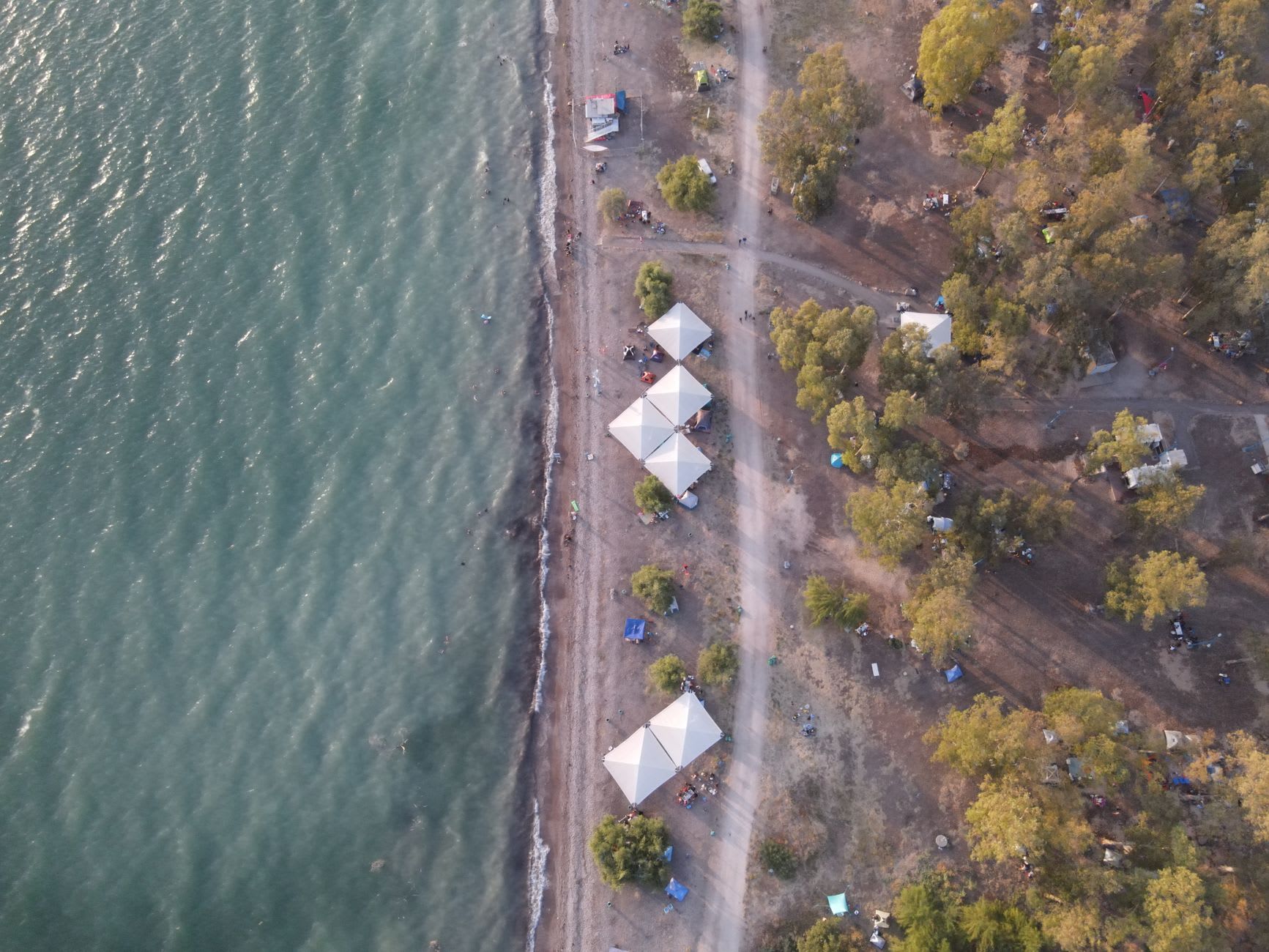
Rosh Pina rewards overnight. The day visitors leave by five and the village empties in a way that reveals its real character — quieter, more domestic, the butcher’s shop closing, someone’s grandmother watering plants on a balcony, the sound of evening prayers drifting from the small synagogue near the museum. Stay at least one night and wake early enough to watch the mist clear from the valley below.
When to go: Spring (March to May) and autumn (October to November) are ideal — the Hula Valley is at its most dramatic during the crane migration in November, when hundreds of thousands of birds stop at the wetlands below Rosh Pina on their way south. Summer is pleasant at this altitude but busy on weekends.