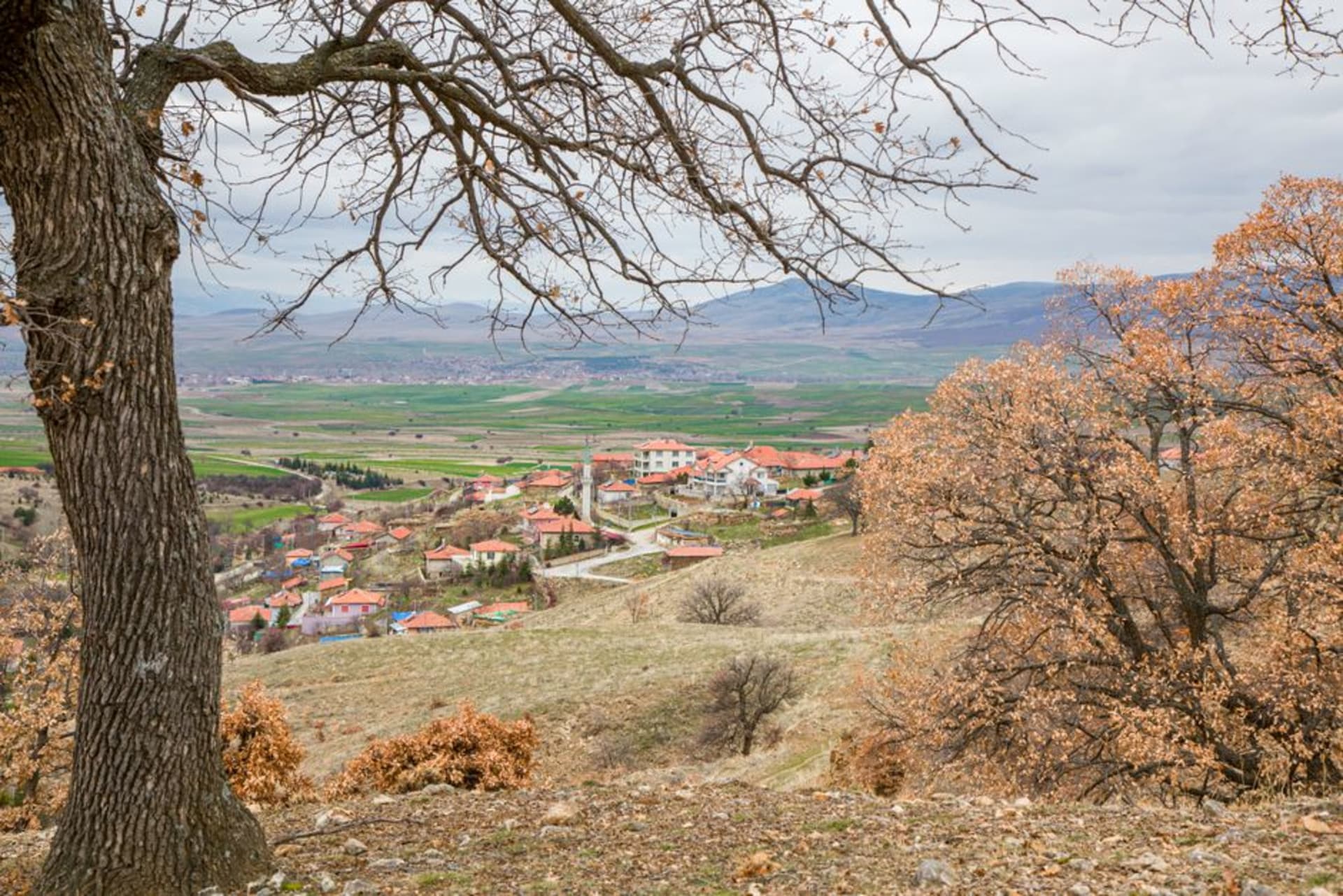
Peki'in
"A village that claims two thousand years of unbroken continuity, and does not need to raise its voice to make the point."
A Druze village in the Upper Galilee hills that claims an unbroken Jewish presence stretching back to before the Roman exile, centered on an ancient synagogue and a cave associated with a famous rabbi.
Peki’in tells a story that, if true, is almost unmatched anywhere in the Jewish world: a continuous Jewish presence in one village going back to before the destruction of the Second Temple, surviving the Roman exile that scattered nearly everyone else, surviving the Crusades, surviving centuries of Ottoman rule, right up until the anti-Jewish riots of 1936 finally emptied the community out. The last member of that ancient lineage, a woman named Margalit Zinati, lived in the village until her death in 2018, tending the small stone synagogue that her family had maintained across generations, and though I arrived after her passing, the synagogue is still cared for and open to visitors, its stones — some said to be salvaged from the Second Temple itself, though this is contested by historians — set into the walls with a plainness that carries more weight than ornamentation would.
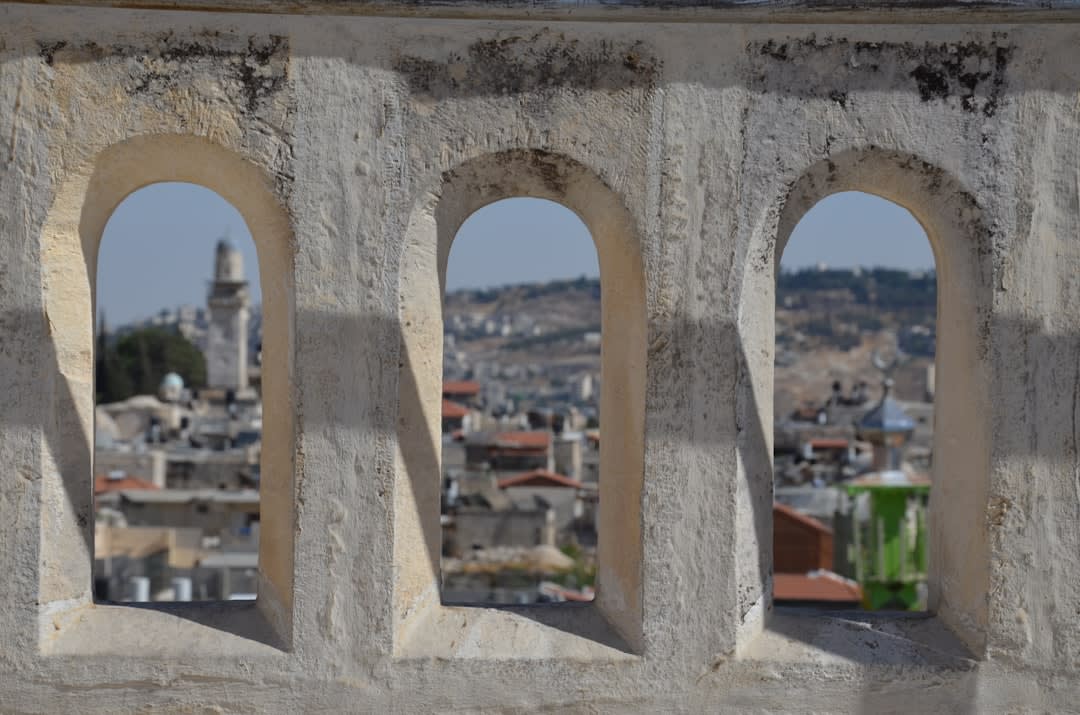
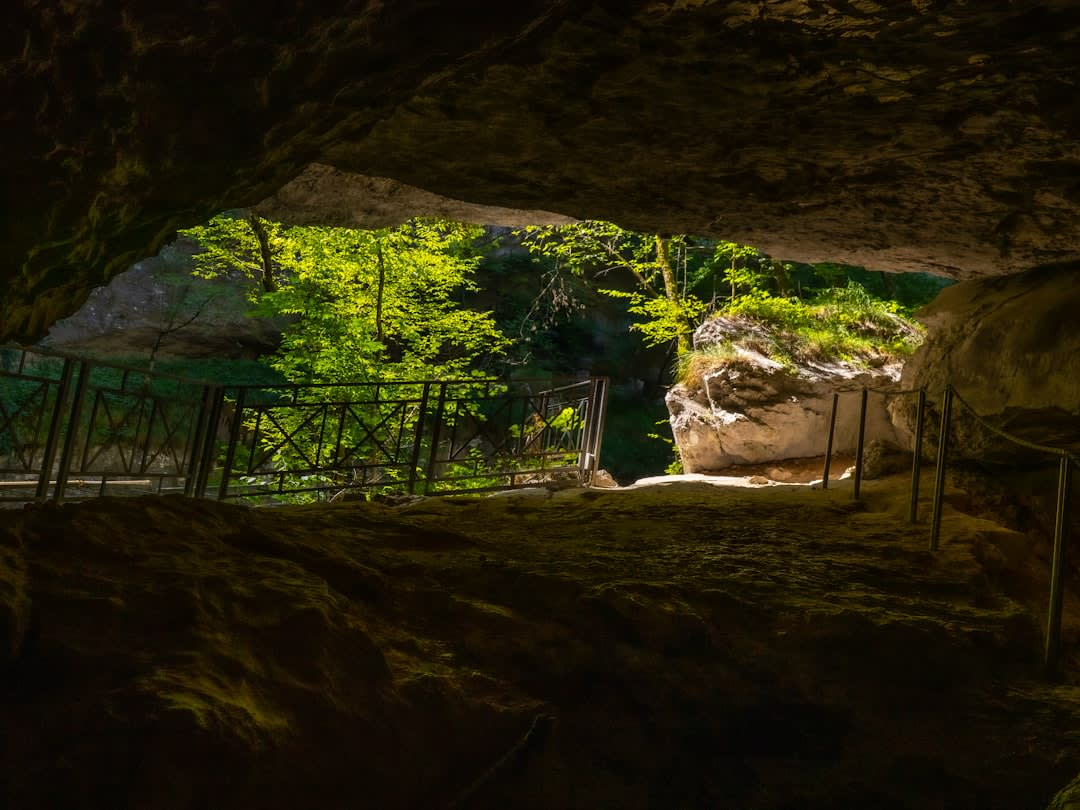
Today Peki’in is a Druze village, and that layered identity — a Druze community that has, for generations, protected and maintained a Jewish holy site as part of its own village’s heritage — is itself the more remarkable story, an example of the kind of interfaith custodianship that gets far less attention than the conflicts that dominate the region’s reputation. A short walk from the synagogue is the cave associated with Rabbi Shimon Bar Yochai, the second-century mystic said to have hidden here for thirteen years while composing the foundational text of Kabbalah, and it remains a site of pilgrimage, particularly around the Lag BaOmer holiday when thousands converge on the village. I visited on an ordinary weekday and had the cave to myself, just a low stone chamber and a fig tree growing at the entrance that locals will tell you sprouted the day the rabbi emerged.
The village itself spills down a steep hillside in a warren of stone lanes, olive presses, and a spring-fed pool at its center where villagers have washed and gathered for generations, and walking it slowly, without much of an agenda, felt like the right way to take it in.
When to go: Any season for the village itself, though avoid Lag BaOmer if you want the cave to yourself — the pilgrimage crowds are considerable. Spring brings the best light on the terraced hillsides.