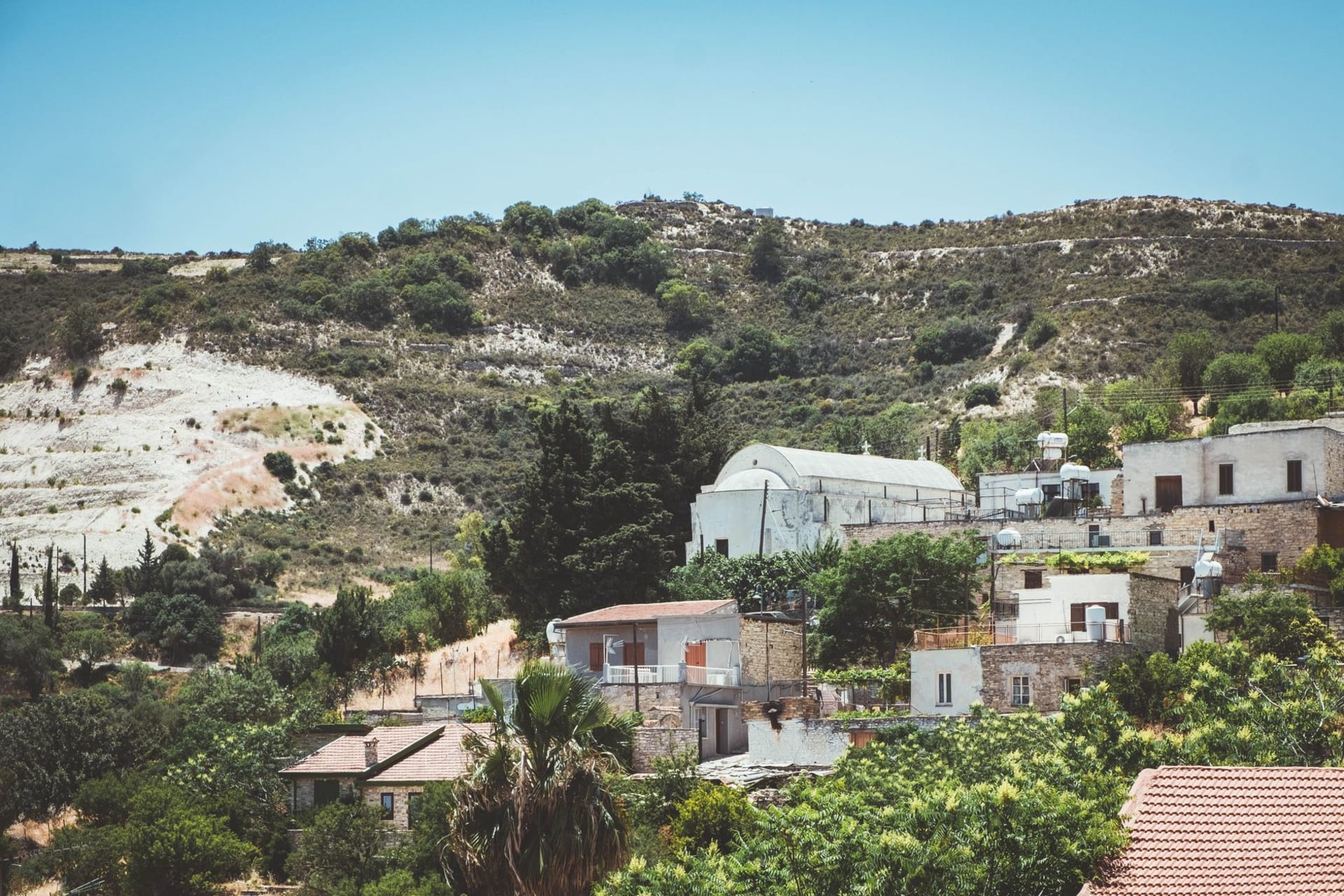
Nazareth
"Nobody comes to Nazareth for the gift shops. They come because the real city is still alive underneath."
I spent two hours in Nazareth’s Old City market on a Thursday morning and bought nothing except a bag of za’atar that lasted me three months in Mexico. That says something about the market — not that I was restrained, but that the place was so alive with negotiation and smell and noise that buying things felt almost beside the point. The stalls spread out under vaulted stone arches in a narrow lane that slopes down from the mosque toward the basilica, and the vendors — mostly older Arab men, some of them with grandsons hovering nearby learning the trade — arrange their products in a way that seems entirely uncalculated: pyramids of oranges next to towers of spice bags next to bundles of fresh sage and wild thyme gathered from the hillsides that morning. The za’atar here is not the packaged supermarket kind. It is coarse and green and smells like a hillside after rain.
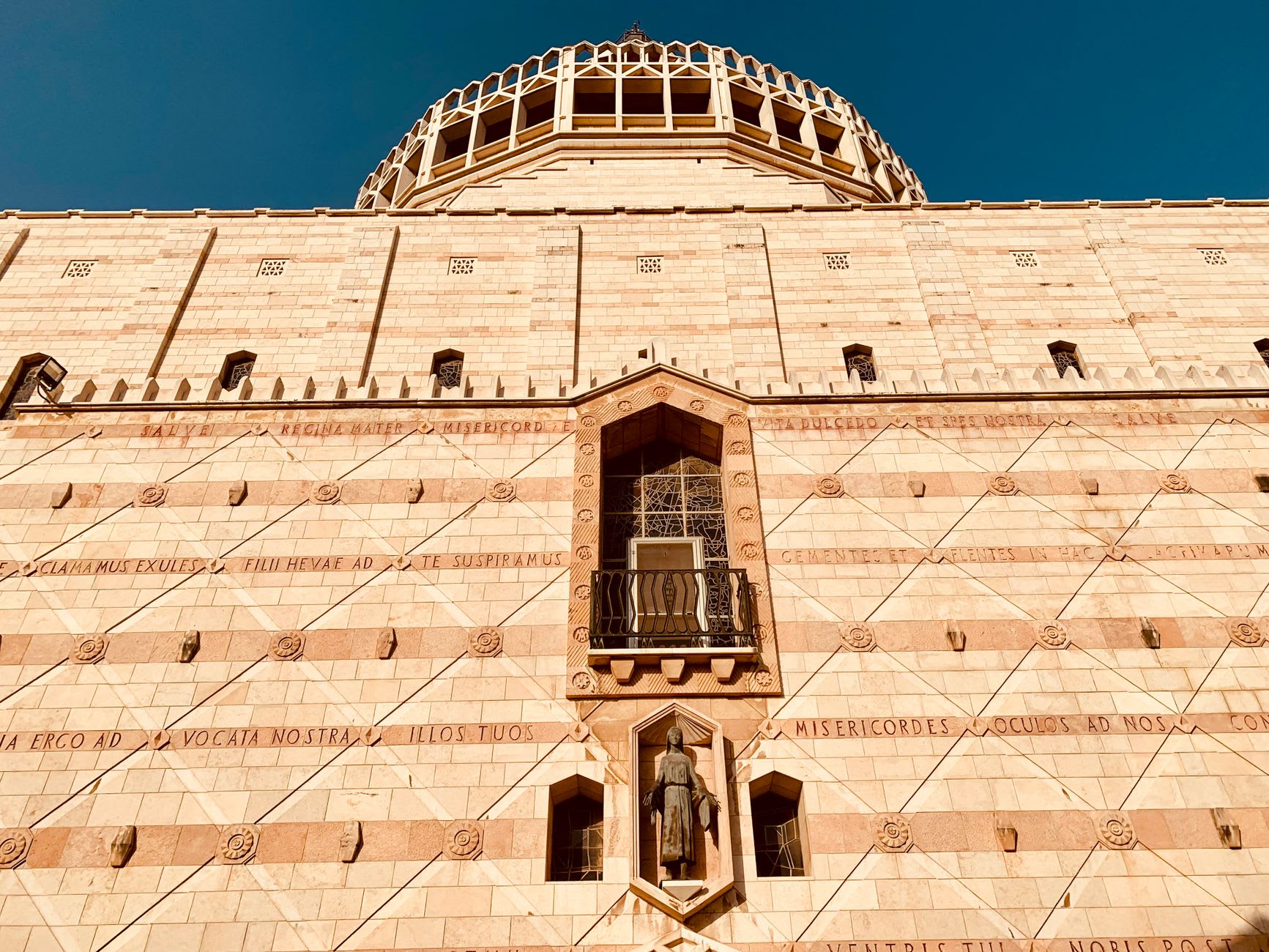
The Basilica of the Annunciation looms over all of it — one of the largest churches in the Middle East, its concrete dome visible from blocks away. It is a strange building by any measure: a modern Italian structure from the 1960s built over Byzantine and Crusader foundations, enclosing a grotto where tradition says the angel Gabriel appeared to Mary. Pilgrims from every country on earth cycle through in tour groups, murmuring in Korean, Portuguese, Tagalog. The interior courtyard holds a collection of mosaic panels gifted by Catholic communities worldwide, each depicting the Madonna in local artistic style — Japan’s Mary has a kimono, Mexico’s is surrounded by cactus flowers, Africa’s wears kente cloth. I spent a long time in that courtyard not thinking about theology but about how many ways a single story can look depending on who is doing the telling.
What most visitors miss entirely is the living city that surrounds the basilica. Nazareth is the largest Arab city in Israel — a place where 70,000 people go about their actual lives, not a heritage village frozen for tourism. Walk three blocks from the basilica and you are in a neighborhood of apartment buildings, auto mechanics, women carrying shopping bags home from the souk, kids on bicycles ignoring traffic. The restaurants away from the main pilgrimage drag are enormous and unhurried, the kind where a single mezze order arrives as fourteen small plates — hummus still warm from the pot, muhamara that burns your lips, fattoush with tomatoes that taste like they were pulled from the ground an hour ago — and the owner appears at the table every twenty minutes to ask if you need more bread, and you always do.
The ka’ak bread is the thing I keep thinking about. Ring-shaped sesame rings, baked hard enough to snap, sold by street vendors from carts — you eat them plain or dip them in za’atar mixed with olive oil. They are the texture of a thin cracker crossed with a breadstick, and they taste of sesame and smoke and the particular quality of wood-fired ovens that have been in the same spot for decades. The vendor near the market entrance who sold me mine had hands so flour-dusted that he left white prints on the paper bag. I stood on the street and ate three in a row and thought: this is the kind of food that only makes sense exactly where it comes from.
When to go: Thursday morning for the market at its most alive. The city is at its best from October through April, when the heat is manageable and the pilgrimage crowds are thinner. Avoid December 24-25 and Easter week unless you specifically want the procession crowds — beautiful but overwhelming.