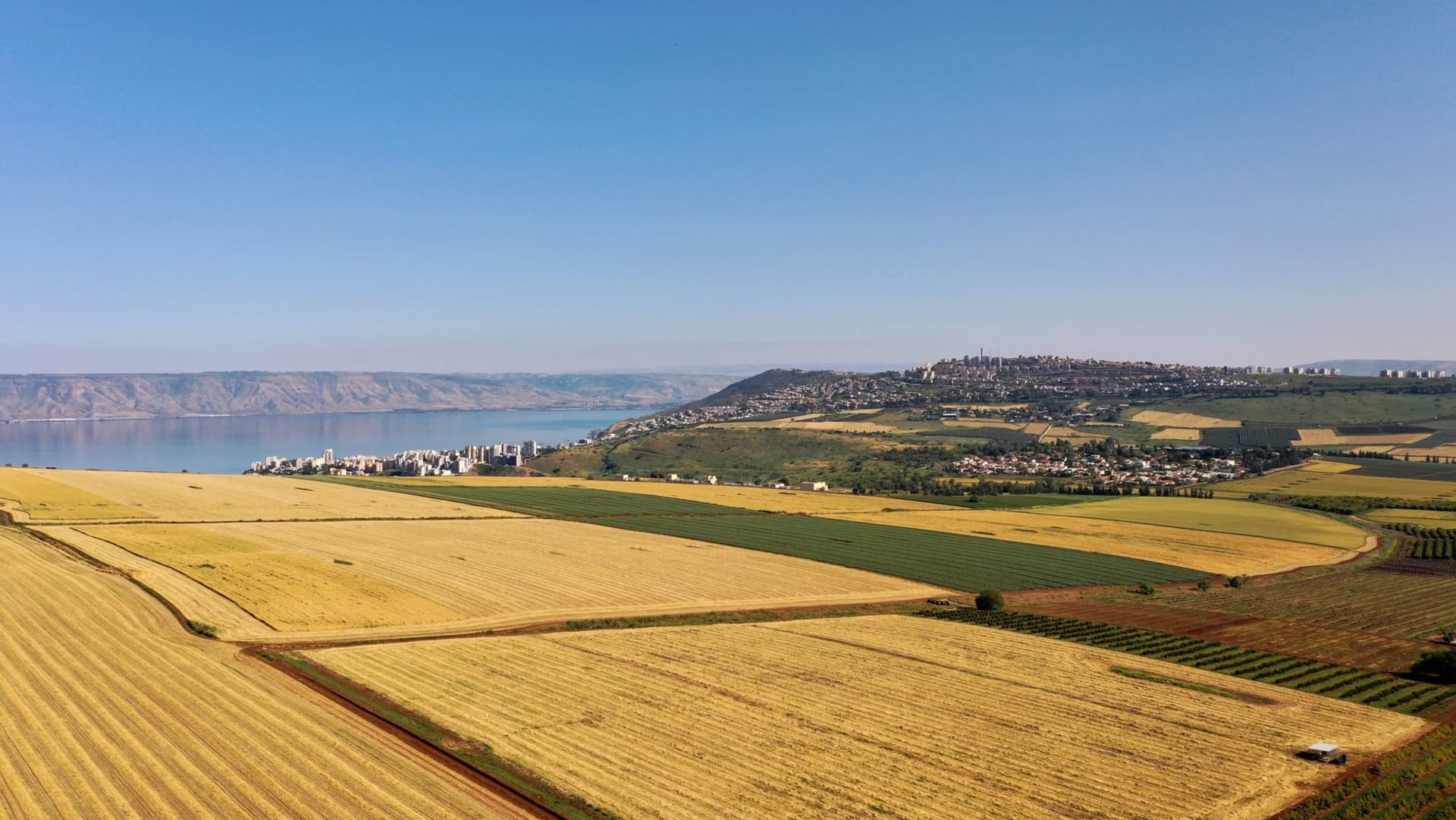
Mount of Beatitudes
"You read the Beatitudes differently when you are standing on the hill where they were supposedly spoken, looking down at the same water."
I walked up from the road in the early morning, before the tour buses, while the garden was still damp with dew and a thin mist sat on the Sea of Galilee below. The church appears gradually as you climb — an octagonal Italian structure from the 1930s, built by the Franciscans with Mussolini’s money and designed by Antonio Barluzzi, the architect responsible for more pilgrimage churches in this region than any other single person in the twentieth century. It sits within a garden of bougainvillea and cypress and olive, on a hillside that slopes down toward the water in a way that feels designed, as though whoever chose this spot understood the relationship between the view and the words that are said to have been spoken here.
The Beatitudes are the opening of the Sermon on the Mount — the list of blessings that begins with “blessed are the poor in spirit” and ends with “blessed are those who are persecuted.” I had read them many times and always found them slightly abstract, more poetry than instruction. Standing at the railing of the church terrace and looking down at the lake, the hills of the Golan on the far shore, the banana groves along the water, the morning light making the whole basin glow — they became less abstract. Whether or not this is the exact hillside is irrelevant; someone chose to stand somewhere in this landscape and tell people that the meek would inherit the earth. The landscape makes that seem, briefly, not impossible.
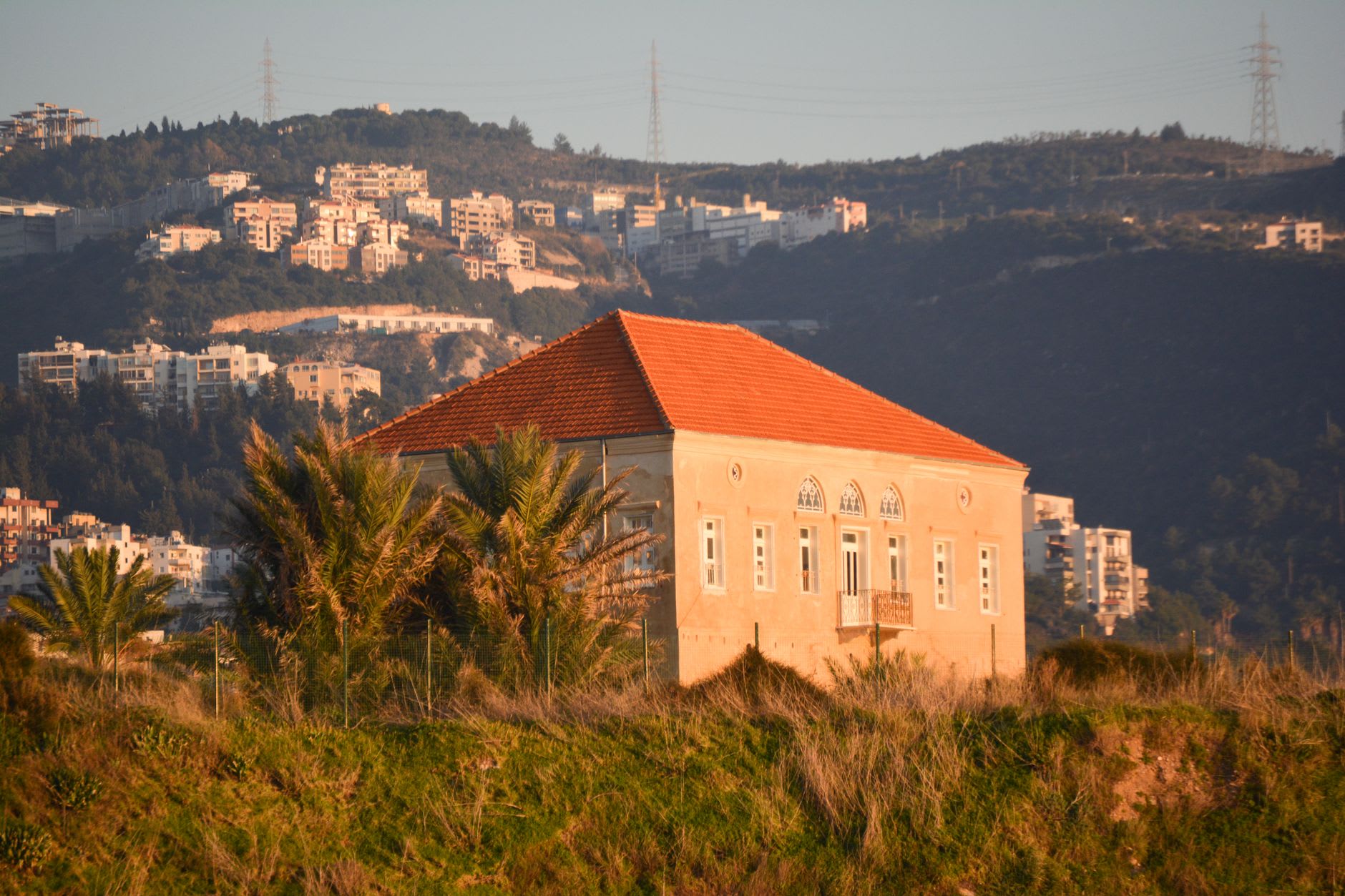
The church interior is deliberately simple: eight stained glass windows, one for each Beatitude, filtering the Galilee light into colored pools on the stone floor. The eight sides of the building correspond to the eight blessings — a piece of architectural theology that would feel pedantic if the execution weren’t so restrained. The windows are not garish. They use a palette of greens and golds that mirror the hillside outside, and on a clear morning the light coming through them changes as the sun moves, so that the building is never the same color twice. I sat in a pew for twenty minutes while a Filipino pilgrimage group prayed in Tagalog at the altar, and I was not religious and I was not bothered, and the light kept moving.
The garden is worth as much time as the church. Franciscan brothers have maintained it for decades, planting species that would have been native to the region in the first century — Syrian hyssop, myrtle, caperberry bushes, wild olive. There are benches placed along the terraces overlooking the lake, and in the morning before the crowds arrive these are some of the best places to sit quietly that I have found anywhere in the Galilee. The air smells of sage and morning moisture and, if the wind comes from the direction of the water, faintly of the lake itself — that particular clean mineral smell of the Kinneret that I cannot quite describe and cannot forget.
Below the church, a path leads down toward the shore and the ruins of Tabgha, where tradition marks the site of the multiplication of the loaves and fishes. The black basalt church there contains another remarkable mosaic floor, fifth century, depicting the loaves and fish and a series of Nile birds. Walking down from the Beatitudes to Tabgha takes about forty minutes along a path through eucalyptus and thorn scrub, and is almost always empty.
When to go: The garden opens at eight in the morning. Go as close to opening time as possible. March and April add wildflowers to the hillside and the garden is at its most fragrant. Summer mornings are still beautiful but the site becomes very busy by mid-morning. Dress modestly for entry into the church — shoulders and knees covered.