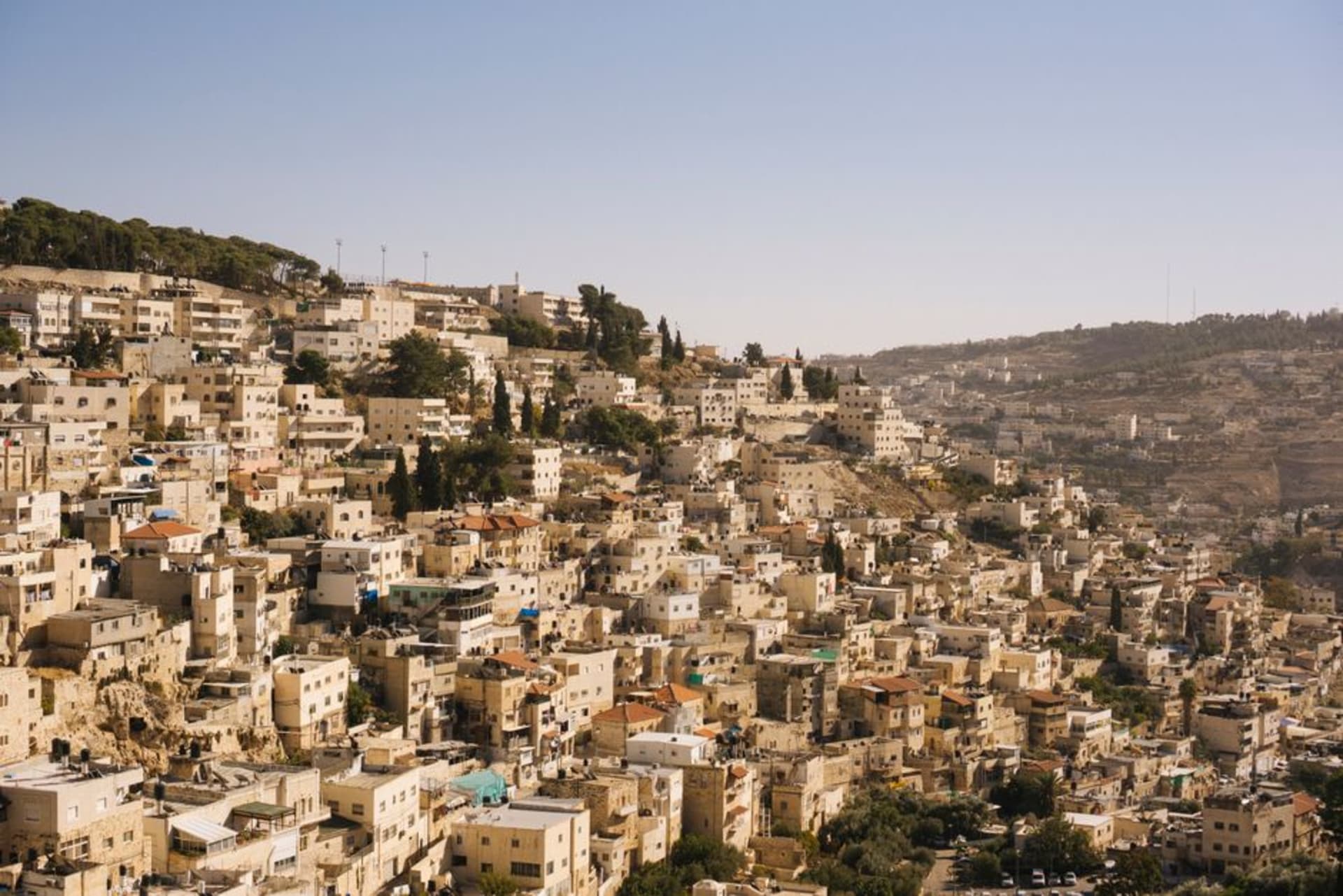
Metula
"A postcard village pressed flat against a closed border, where the last house on the street looks into another country."
Israel's northernmost town, a single tidy street pressed right against the Lebanese border, with an unexpectedly lush canyon trail and waterfall a short walk from front porches that look straight into another country.
Metula is the kind of place that only makes sense once you are standing in it, because on paper it sounds almost too on-the-nose: Israel’s northernmost town, founded in 1896 by Jewish settlers from Romania and Russia backed by the Rothschild family, laid out along a single long main street of stone houses with red-tiled roofs and wraparound porches that would look at home in the Alps, and at its northern edge, without ceremony, a fence and a hillside that is simply Lebanon. I walked to the edge of town in the late afternoon and stood looking across a narrow valley at Lebanese village rooftops close enough to make out individual satellite dishes, with a UN observation post visible on a nearby ridge — a strange, quiet tension that the town’s otherwise sleepy character does nothing to dispel or advertise.
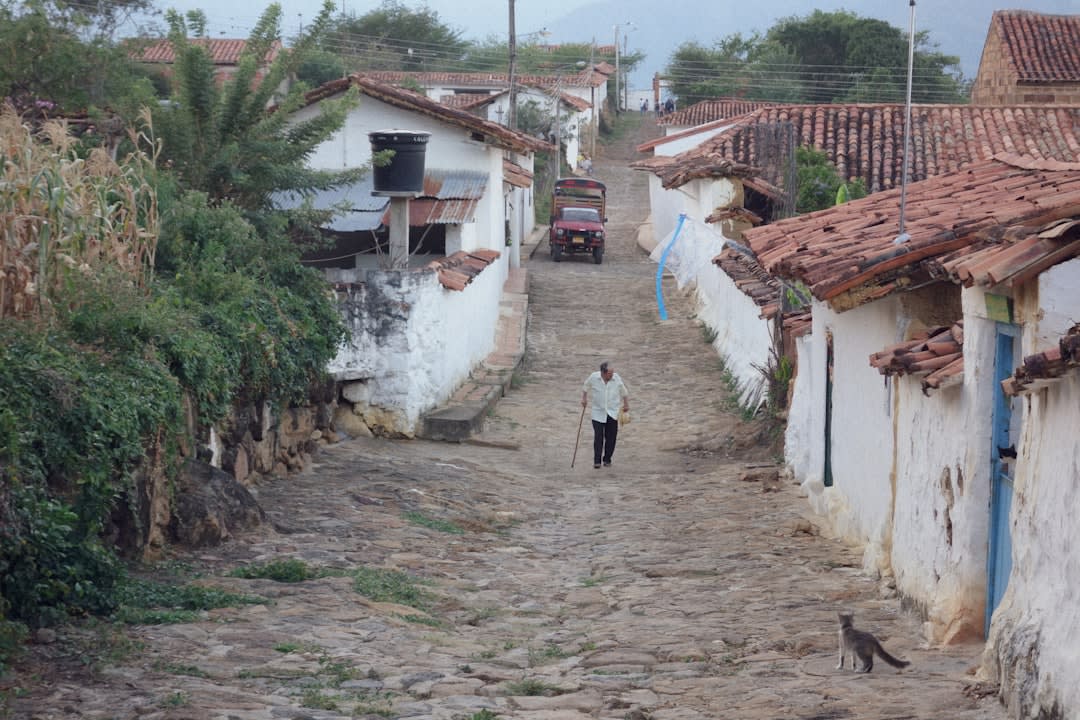
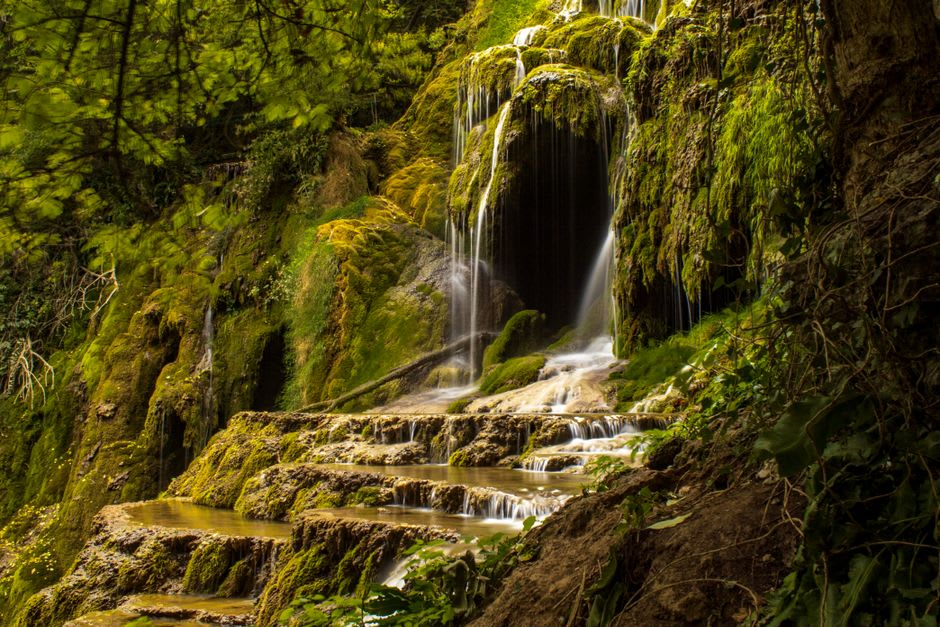
The real reason to come, though, is the Iyon Nature Reserve just outside town, a canyon trail following the Iyon stream past a series of waterfalls, the largest of which, the Tanur Falls, drops through a narrow basalt gorge in a way that feels startlingly lush after the drier hill country further south. The trail is short and well maintained, running along wooden boardwalks and stone steps through a canyon thick with fig trees, oleander, and blackberry brambles, and I had the whole path essentially to myself on a weekday morning, the water loud enough in the gorge to drown out any thought of the border a few hundred meters away. There is something specific about a landscape this soft and green sitting directly against a hard political line, and walking the canyon trail with that knowledge in the back of my mind gave the whole visit an odd, layered quality I have not quite shaken since.
The town itself has a scattering of guesthouses converted from the original settler-era stone houses, and a single main street of small restaurants and a general store that closes early enough to remind you this is still a genuinely small, remote place, whatever its symbolic weight.
When to go: Spring for the fullest waterfalls and greenest canyon; check current border-area conditions before traveling, since access to Metula and the reserve can be affected by regional security situations.