Kfar Kama
"A village of Caucasus refugees, still speaking their own language a hundred and fifty years later, tucked into the Galilee hills."
A Circassian village in the Lower Galilee, founded by refugees from the Caucasus in the 1870s, where a small heritage museum and a restaurant serving cheese pies keep an unlikely diaspora's culture visible.
I had never heard of the Circassians before a friend in Tiberias mentioned, almost as an aside, that there was a village of them a short drive south, and that I should go if I wanted to see something in the Galilee that had nothing to do with the biblical circuit. Kfar Kama was founded in 1876 by Circassians, Muslim refugees from the northwest Caucasus who fled or were expelled during the Russian Empire’s brutal conquest of their homeland in the 1860s, scattering across the Ottoman world in a diaspora that landed some communities in Jordan, some in Turkey, and this one small settlement in what was then Ottoman Palestine. A century and a half later, the village of roughly three thousand people still speaks Adyghe, still marks Circassian holidays, and still maintains an identity distinct from both its Jewish and Arab neighbors — a genuinely rare thing in a region where most minority communities eventually blend into one larger category or another.
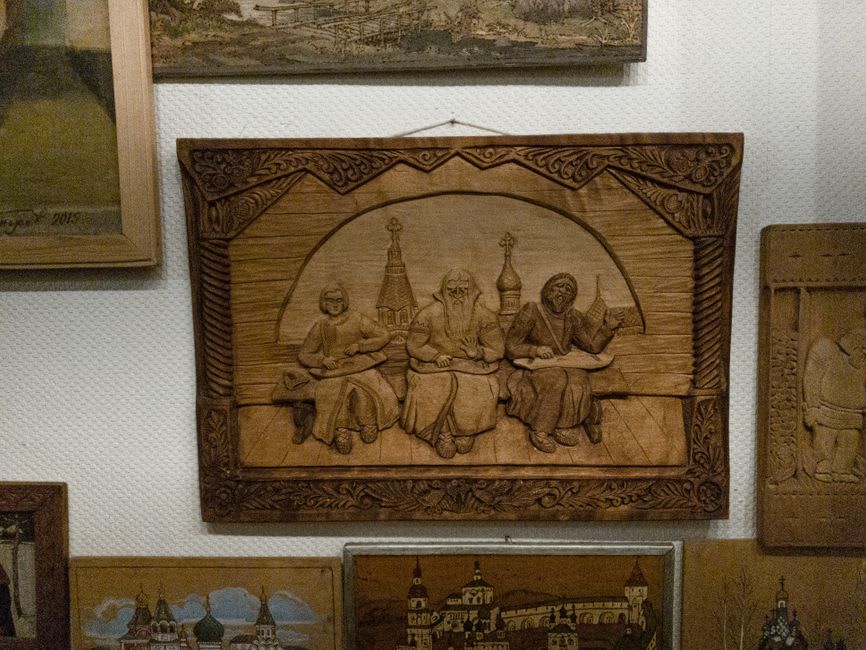
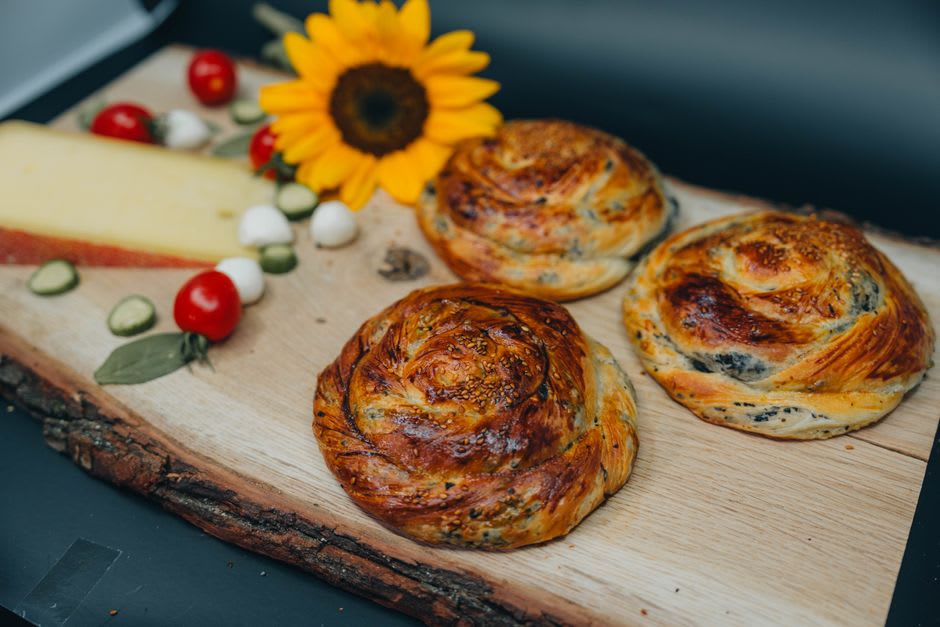
The heritage museum in the village center, housed in a restored traditional house, is small but run with real care — a guide walked me through displays of Circassian dress, weaponry, and craftwork, explaining the community’s history with a directness that felt personal rather than rehearsed, since her own grandparents were part of the story she was telling. She mentioned, almost in passing, that young Circassian men in Israel serve in the military at unusually high rates, a detail that speaks to a complicated, still-evolving relationship between a small diaspora community and the state around it. Afterward I ate at one of the village’s few restaurants, where a woman made me a Circassian cheese pie called halyuzhey to order, thin pastry folded around a salty local cheese and fried until the outside crackled, served with a garlic and butter sauce that I have thought about since.
The village itself is modest and residential, without much in the way of a formal tourist infrastructure beyond the museum and a couple of restaurants, and that is precisely what made it feel worth the detour — nobody was performing anything for me. I was simply a guest in a place with its own long, specific, mostly untold story.
When to go: Any time of year, though calling ahead to the museum to confirm opening hours is worthwhile since it operates on a smaller schedule than the region’s larger sites. Combine it with a visit to nearby Mount Tabor for an easy half-day loop.
Keep exploring
More from Galilee
 galilee
 Kursi
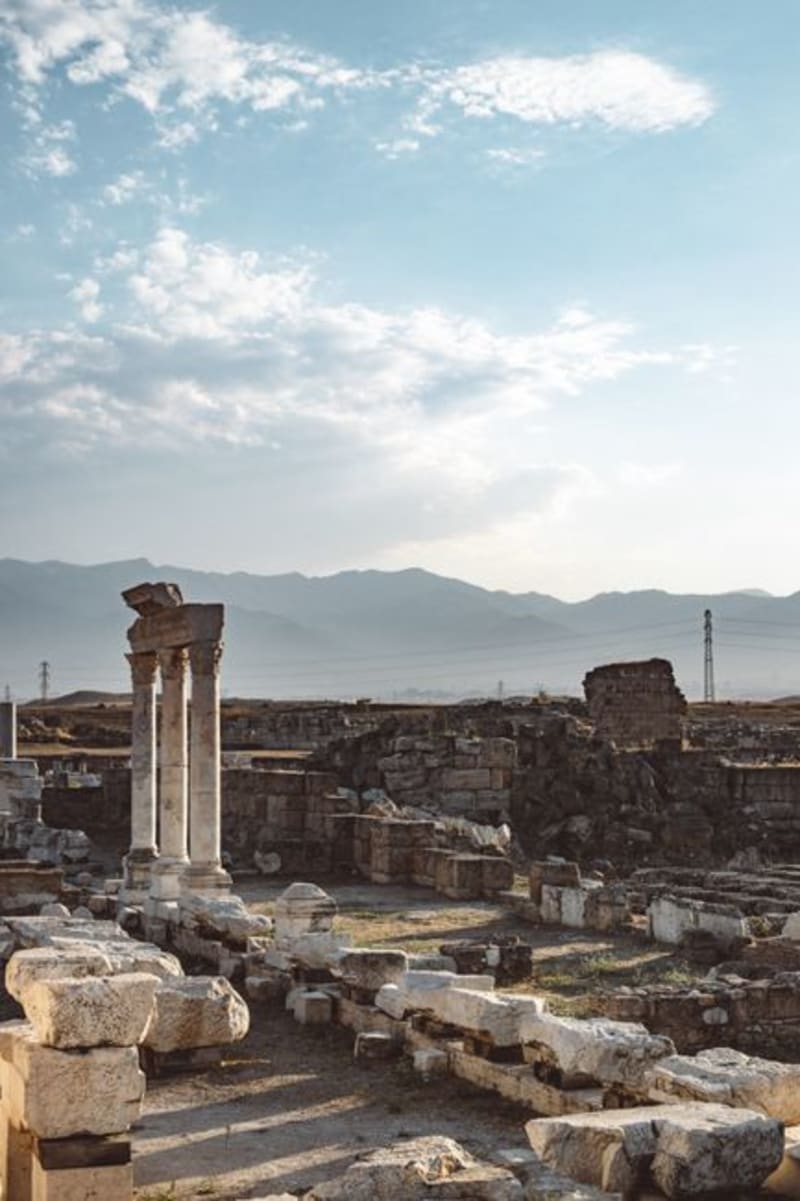
The ruins of a Byzantine monastery on the Sea of Galilee's eastern shore, built to mark the spot where a herd of swine reportedly ran into the water, now a quiet basalt courtyard that almost nobody stops for.
Explore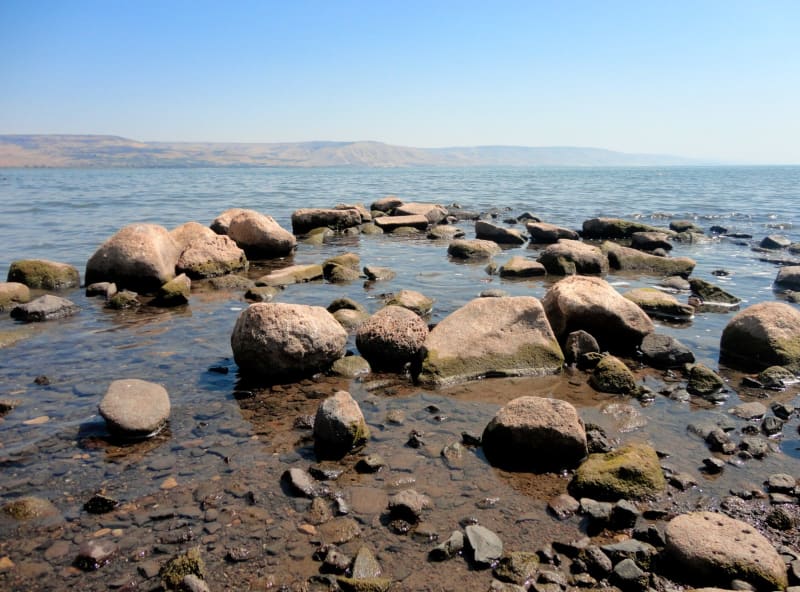 galilee
 Magdala
A first-century fishing town being excavated on the western shore of the Sea of Galilee, where a single intact synagogue mosaic stopped archaeologists in their tracks.
Explore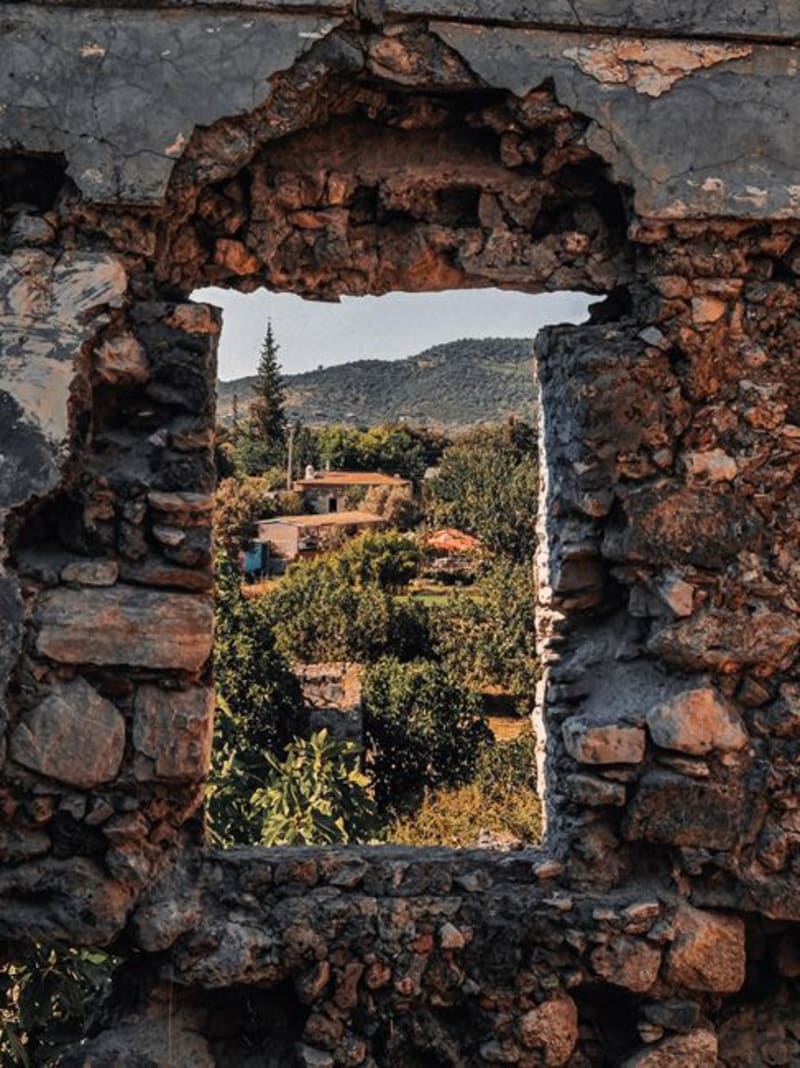 galilee
 Metula
Israel's northernmost town, a single tidy street pressed right against the Lebanese border, with an unexpectedly lush canyon trail and waterfall a short walk from front porches that look straight into another country.
Explore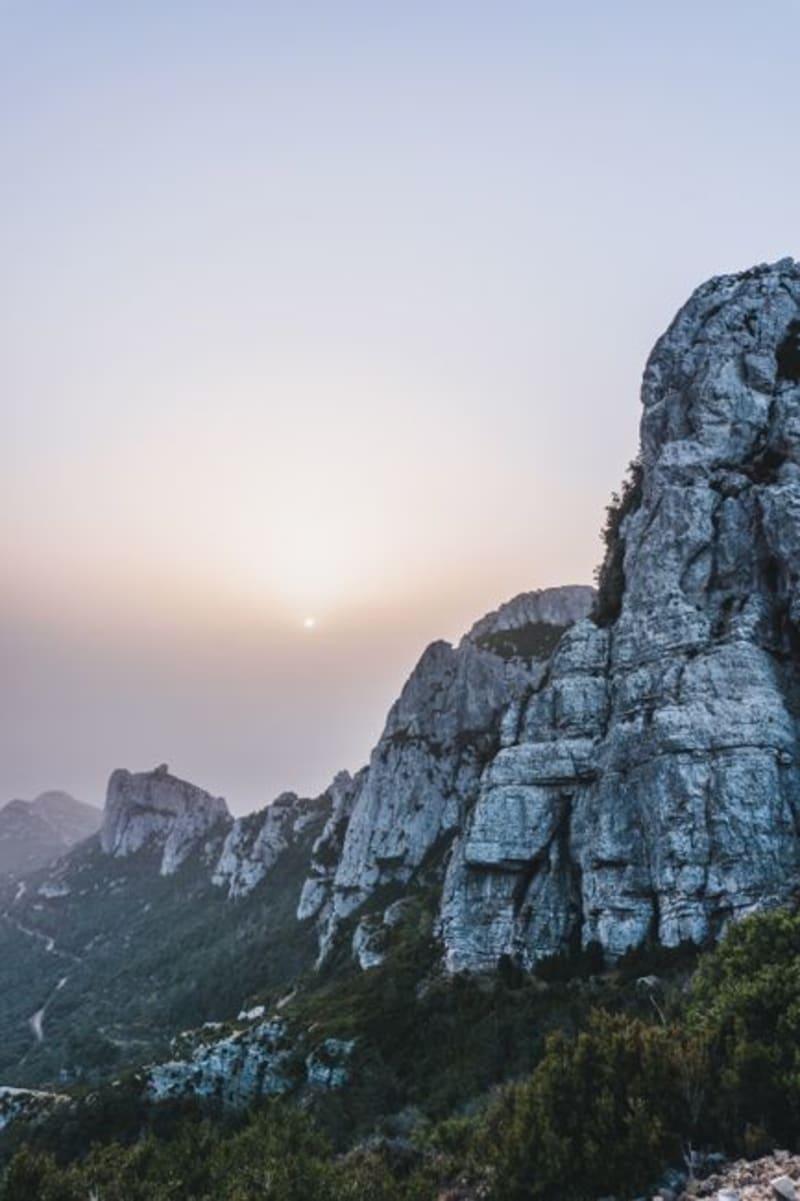 galilee
 Mount Arbel
A sheer cliff above the Sea of Galilee riddled with cave fortresses cut into the rock face, reached by an iron ladder bolted to the stone, with the best single view of the whole lake at the top.
Explore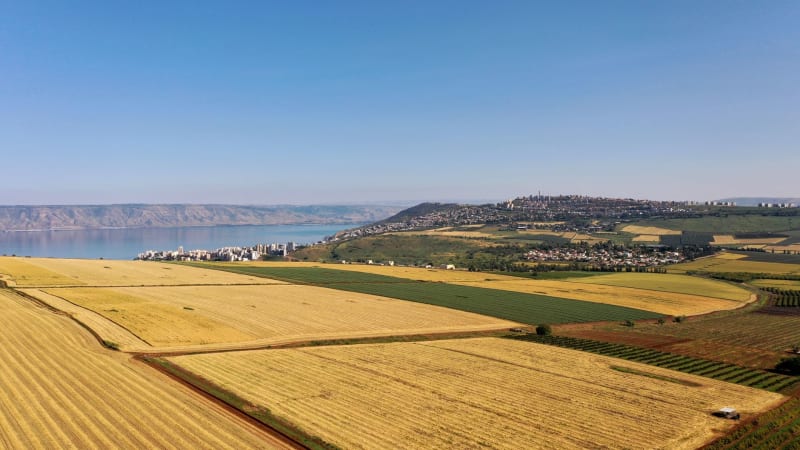 galilee
 Mount of Beatitudes
A hillside garden above the Sea of Galilee where an Italian church stands among bougainvillea and the view does most of the theology.
Explore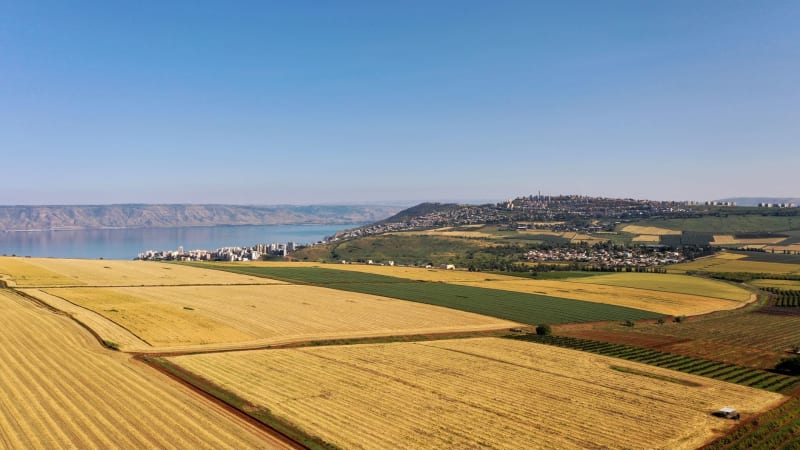 galilee
 Mount Tabor
An isolated volcanic dome rising from the Jezreel Valley floor, crowned by a basilica whose gold mosaics glow like a second sun in the afternoon light.
Explore