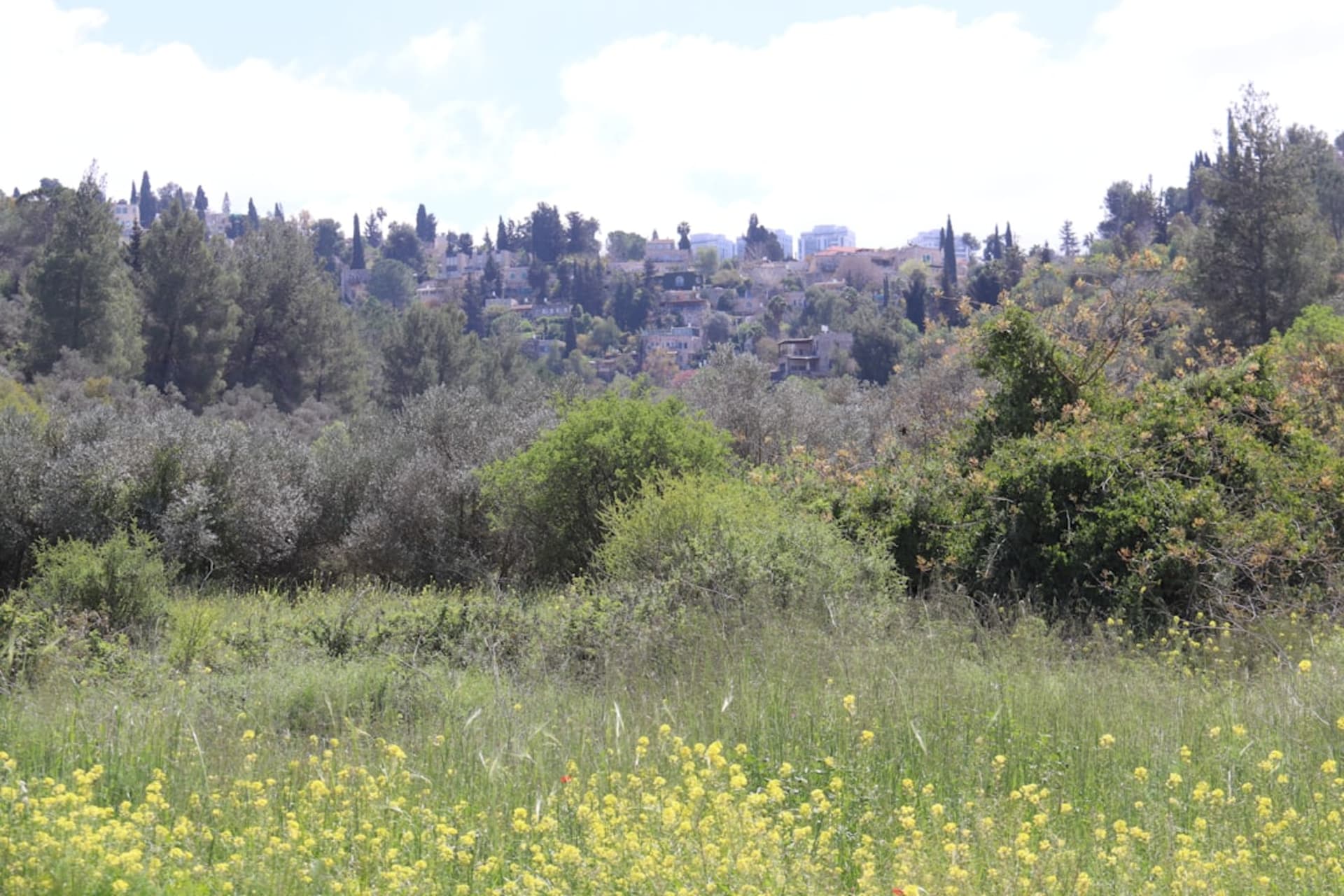
Jish
"A Christian village built over a Talmudic town, with a synagogue nobody has bothered to prettify."
A mixed Maronite and Melkite Christian village in the Upper Galilee hills, built over the ruins of ancient Gush Halav, where an unrestored Roman-era synagogue sits quietly in an olive grove.
Jish does not appear on most itineraries of the Galilee, and I only found it because I was looking for the ruins of ancient Gush Halav, a town mentioned repeatedly in the Talmud as a center of olive oil production so significant that its oil was reportedly traded as far as Jerusalem. The modern village that occupies the site today is one of the few in Israel with a majority Christian population, split between Maronite and Melkite Greek Catholic communities whose ancestors, in some family accounts, trace back generations in this same valley, through Ottoman rule, the British Mandate, and the state of Israel, largely undisturbed in place — a rare continuity in a region where so much population has moved, been moved, or vanished entirely.
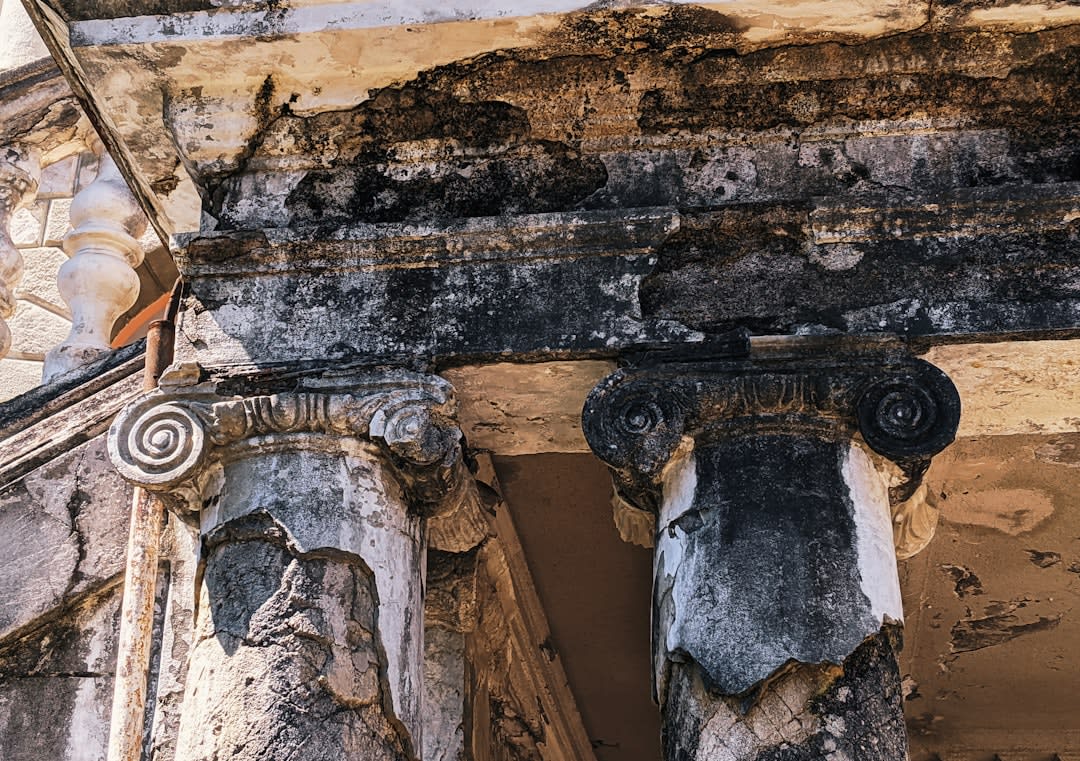
The synagogue ruins sit on the edge of the village in an olive grove, unstaffed and mostly unmarked beyond a single interpretive sign, which gave the whole visit an unusual intimacy — no ticket booth, no crowd, just carved basalt columns and a decorated lintel from a fourth-century building lying half-collapsed among old olive trees that may themselves be centuries old. I sat on a fallen column base for a while, and an older man tending a nearby grove nodded at me without breaking from his work, entirely unbothered by a stranger poking around his family’s ancient neighbors. The village itself, up the hill, has two churches worth a look — a Maronite church and a Melkite one, standing close enough together that their bell schedules must occasionally overlap — along with a scattering of stone houses from the Ottoman period that give the older core a settled, unhurried texture very different from the newer Israeli towns nearby.
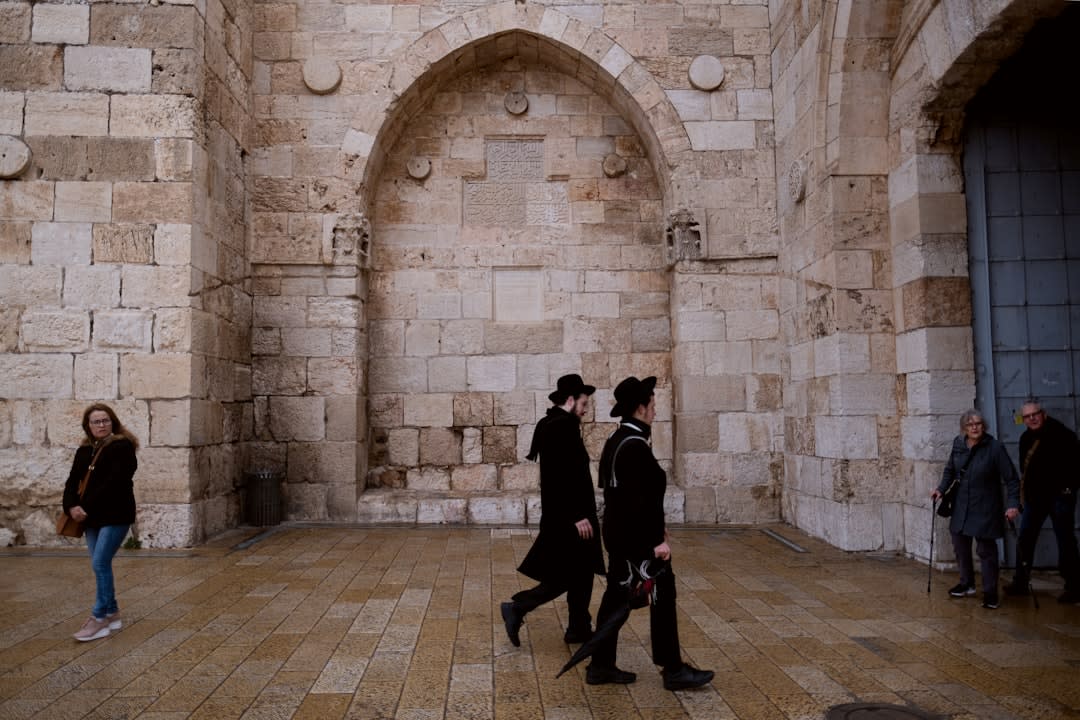
I stopped for coffee at a small shop near the main church and ended up in a half-hour conversation, mostly in a mix of broken Arabic and English, with the owner about his family’s history in the village — five generations he could name without hesitation, in the same houses, on the same hillside. It was one of those conversations that made me understand a place far better than any museum could have.
When to go: Spring, when the olive groves are green and the hill air is cool, or autumn during the olive harvest if you can time it — locals are generally happy to explain the pressing process if you show genuine interest.