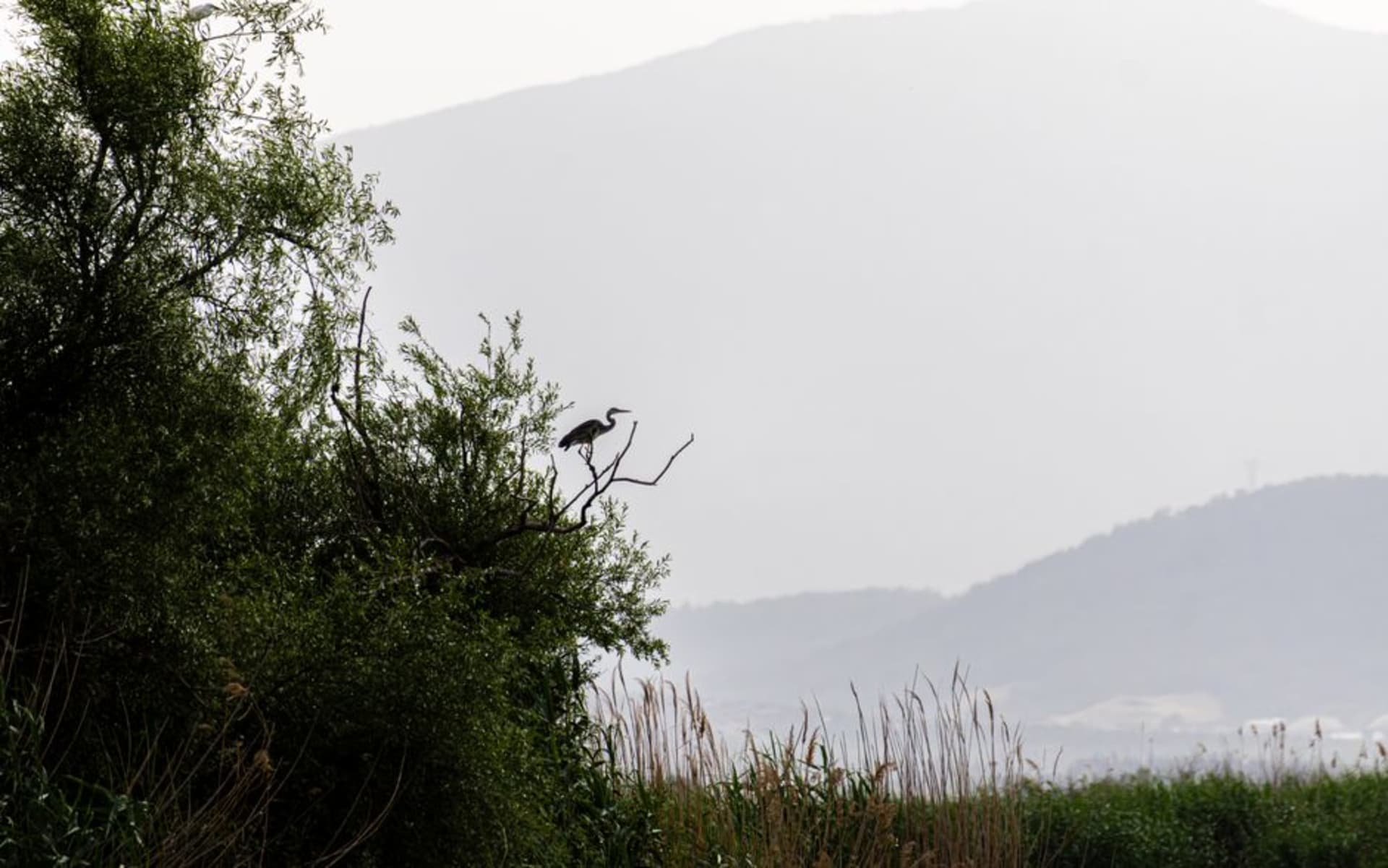
Hula Valley
"Half a million cranes decided this valley was worth returning to, and I finally understood why."
A drained-and-restored wetland in the Upper Galilee where half a billion migrating birds pass through every year, including cranes that arrive in such numbers they turn the winter sky grey.
I was not prepared for the noise. I had read about the Hula Valley’s crane migration in the abstract — hundreds of thousands of common cranes stopping over on their way from Europe to Africa each winter — but nothing about reading the number prepared me for arriving at Agmon HaHula before sunrise and hearing a sound like a stadium of distant trumpets rolling across flat water, thousands of birds calling to each other in the grey pre-dawn light. The valley was, historically, a genuine lake and marsh system, drained by Israel’s early government in the 1950s for agriculture in one of the country’s most consequential and most regretted engineering projects — the peat soils that were exposed turned out to be unstable and prone to spontaneous fires, and the ecological cost to migratory birds was severe enough that a portion of the wetland was deliberately re-flooded in the 1990s, creating the restored reserve that exists today.
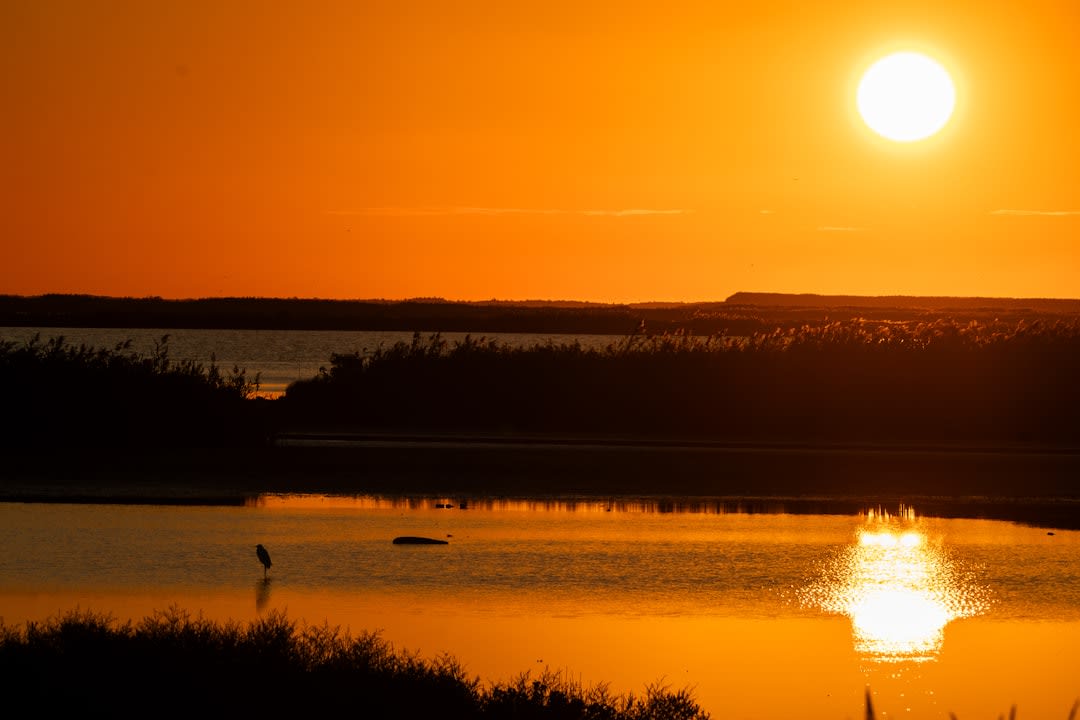
The reserve is designed for exactly the kind of slow, low-impact viewing that makes bird migration legible to non-specialists like me. Golf-cart-style vehicles and bicycles move along a loop road through the wetlands, with hides and platforms positioned at intervals so you can watch without disturbing anything, and the valley sits directly on one of the busiest migratory flyways on the planet, the land bridge between Europe, Asia, and Africa that half a billion birds cross twice a year. Beyond the cranes there were pelicans, storks, cormorants, herons, and raptors I could not identify circling in numbers that made we wish I had brought better binoculars. A local guide at the visitor center told me, with the patient pride of someone who has explained this a thousand times, that farmers in the valley now grow a special crop of peanuts specifically to feed the cranes and keep them from damaging other fields — an arrangement between agriculture and wildlife that struck me as a genuinely elegant piece of problem-solving.
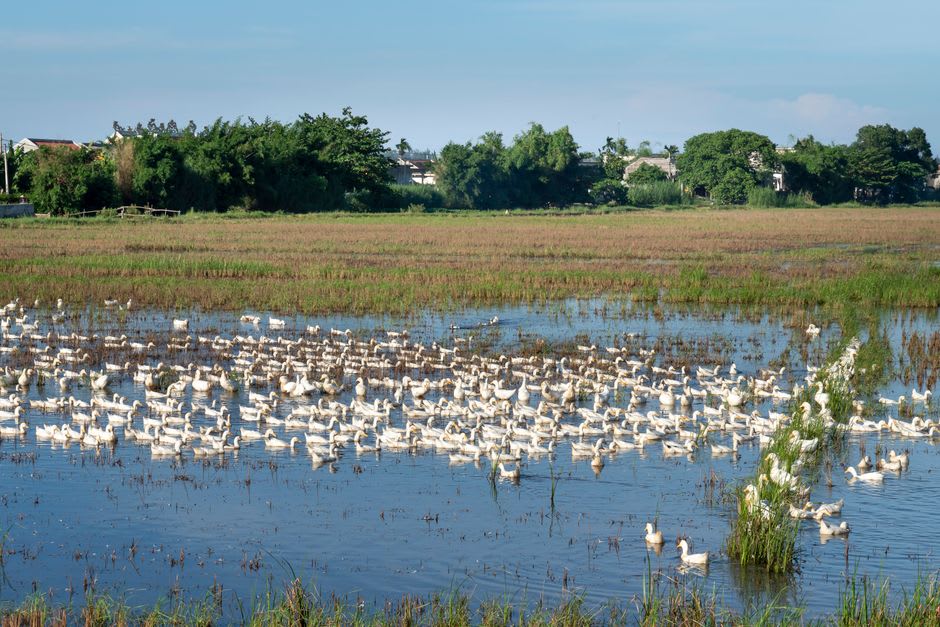
I stayed until well after the sun was fully up, watching flocks lift off in waves that darkened the sky for whole seconds at a time before resettling a few hundred meters away, and left with the odd, humbling sense of having witnessed something entirely indifferent to me — a rhythm that has run for millennia and will keep running long after the observation platforms are gone.
When to go: Mid-November through February for peak crane numbers, with dawn the best time for both light and bird activity. Bring warm layers — the valley floor gets genuinely cold before sunrise even when the rest of the Galilee feels mild.