Santa Cruz Island
"A tortoise crossed the path ahead of me and I waited, and neither of us seemed particularly inconvenienced by the other."
The bus from Baltra airport to the ferry crossing is where Santa Cruz starts rearranging your assumptions. I was still jet-lagged, watching dry scrubland blur past the window, when the driver braked for a land iguana sitting in the middle of the road. Not the side of the road. The middle. He sat there with his prehistoric patience while cars queued up and eventually eased around him, and not one person honked. That was my introduction to how time moves differently on this island.
Santa Cruz is the administrative centre of the Galápagos, home to Puerto Ayora and the Charles Darwin Research Station, but the part that undid me entirely was the highlands. A twenty-minute pickup truck ride from the coast takes you into another climate zone entirely — misty cattle farms where giant tortoises wander freely through the grass, moving with that ancient, unhurried deliberateness that makes everything around them feel rushed and frivolous. At El Chato reserve, I walked through a tortoise grazing area and counted eleven of them in a single field, some so old they carry ecosystems on their shells — moss, ferns, small worlds of their own.
Below the highlands, the island’s volcanic past reveals itself in the lava tubes — tunnels formed when outer lava hardened while the molten rock inside kept flowing and drained away. You walk through them bent at the waist, the walls smooth and black, the air cool and damp and smelling faintly of minerals and deep earth. There are two tubes you can enter near the town of Santa Rosa, and they drop away beneath you in darkness until your torch gives out. It is one of the stranger feelings I have had underground, knowing that the same process created most of the surface you walked across to get here.
Back at sea level, the Charles Darwin Research Station holds a more complicated emotion. The giant tortoise breeding program has saved species from extinction — the famous Lonesome George, last of the Pinta Island tortoises, lived here until 2012 and is now preserved in a climate-controlled room that feels more like a vigil than a museum exhibit. Nearby, young tortoises the size of fists sit in nursery pens, utterly unconcerned with their own historical significance. I spent longer there than I planned. The rangers answered questions with the patient specificity of people who have never tired of the subject.
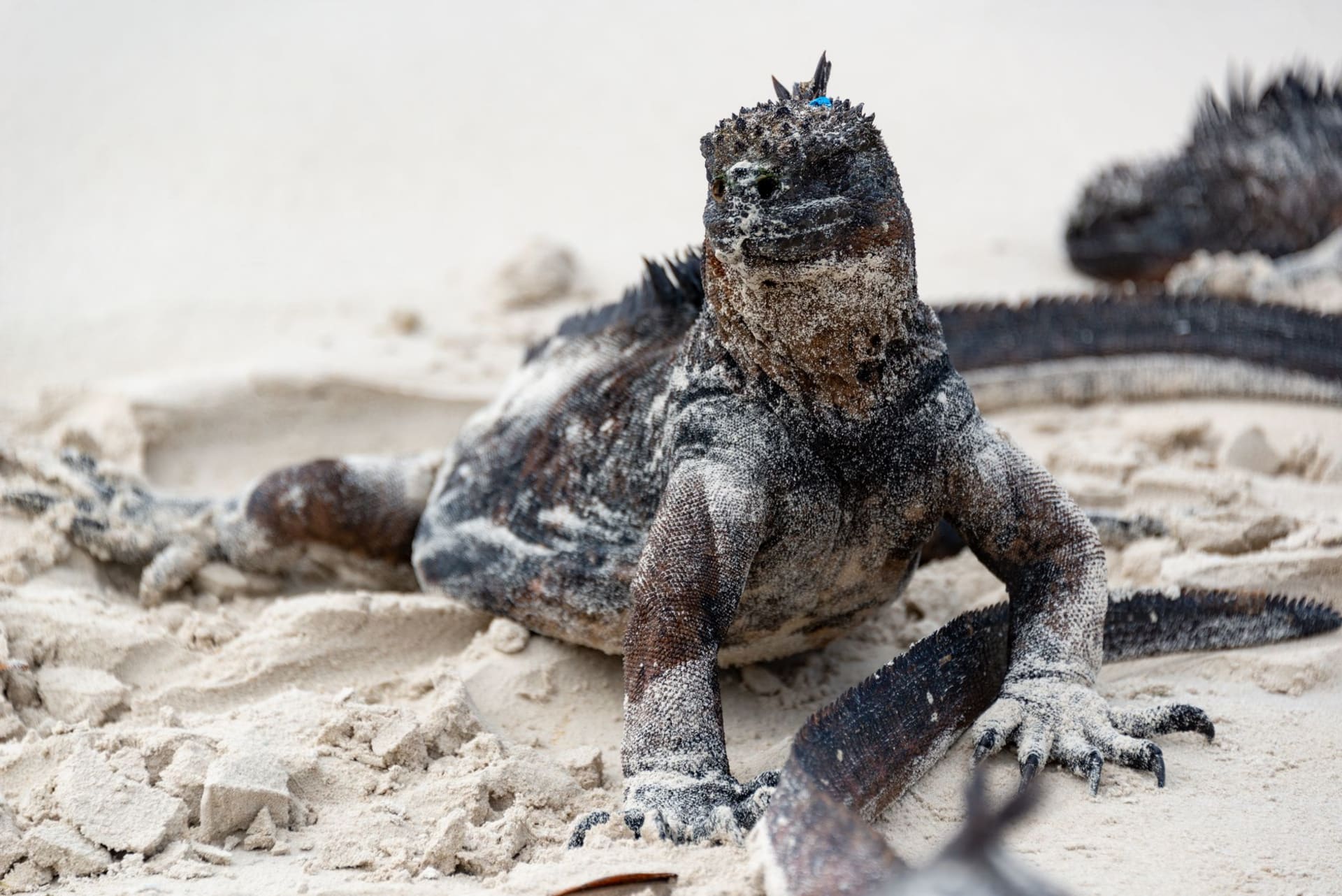
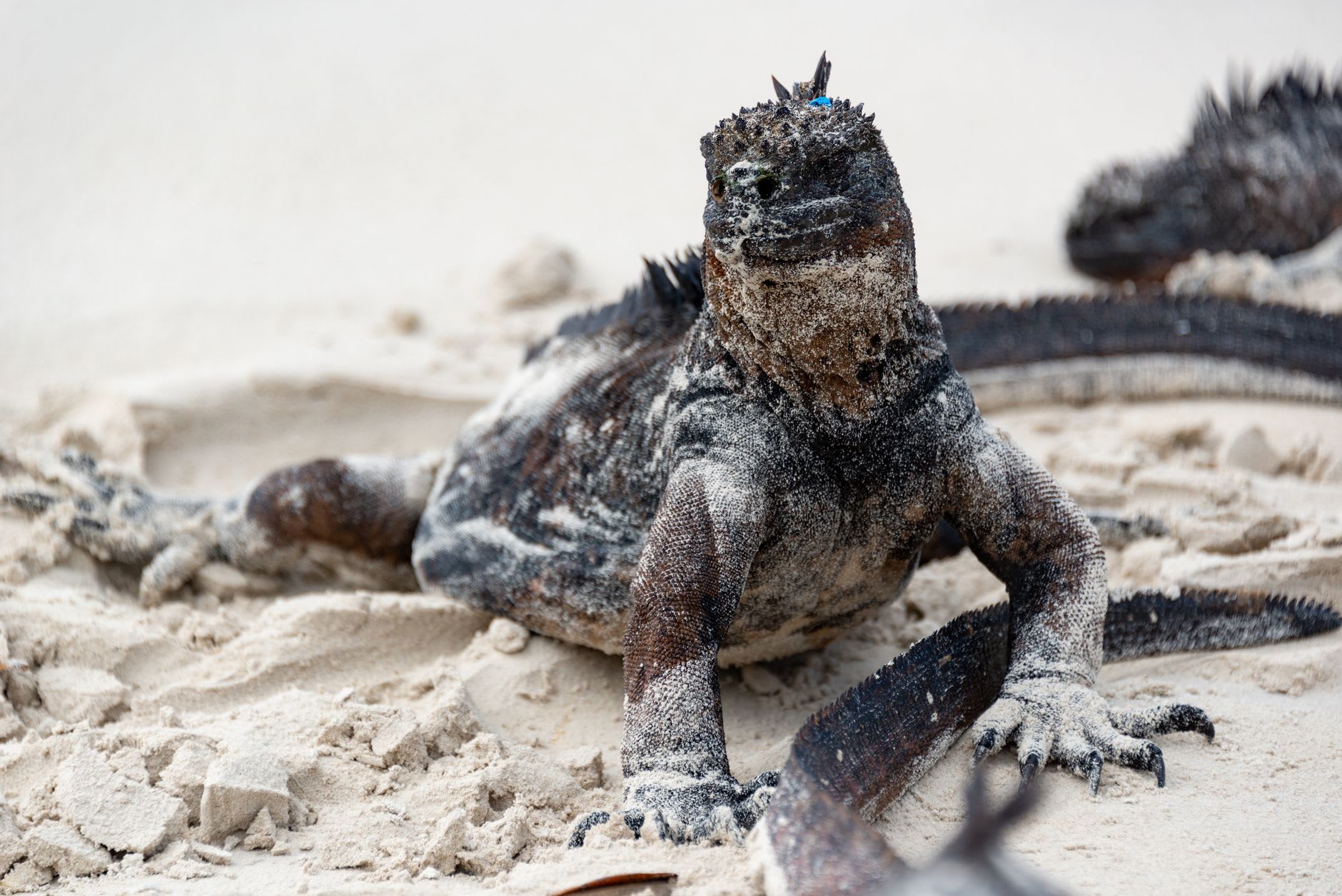
The beaches that ring Santa Cruz are not incidental to the experience — they are the experience at certain hours. Tortuga Bay is a forty-minute walk through cactus scrubland that opens suddenly onto a long white beach where marine iguanas sun themselves in clusters, heads pointing into the wind, and white-tipped reef sharks cruise the shallows so predictably that the locals barely glance at them. The water is the kind of clear that makes depth deceptive. I swam out to a coral head and a Galápagos sea turtle rose from below me, so close I could see the barnacles on its shell, and we hovered together for a long moment before it decided I was of no interest and descended back into the blue.
When to go: The highlands are greenest and the tortoises most active from January through April, when the warmer season brings light rain. The Garúa mist of June through December keeps the highlands perpetually cool and atmospheric. Tortuga Bay is swimmable year-round but calmer from January to May. Puerto Ayora buzzes with visiting researchers and naturalists from June through August when expedition season peaks.