Pongara National Park
"Twenty minutes on a ferry and I was in primary forest. Libreville's skyline was still visible."
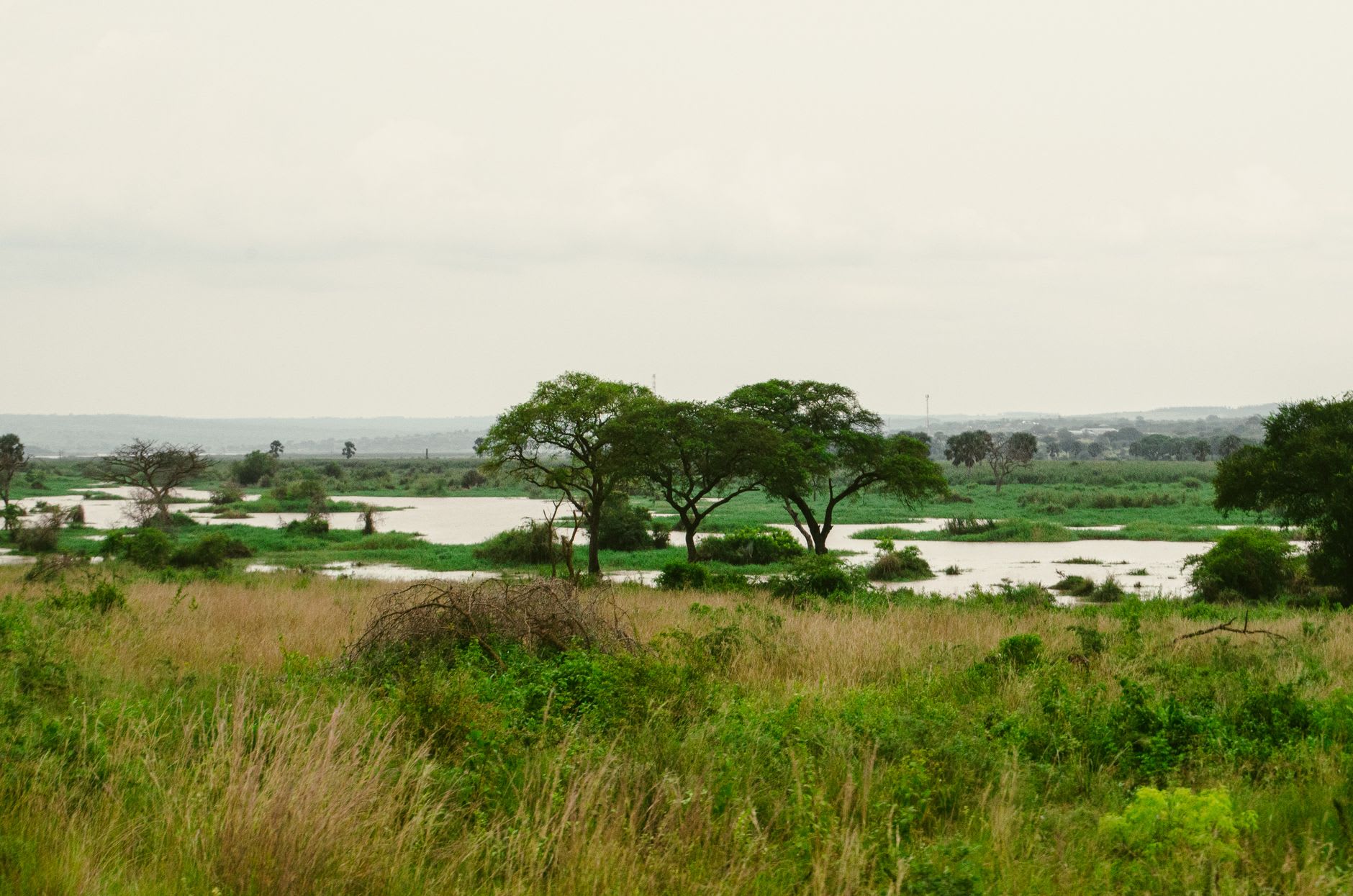
The ferry from Port-Môle in Libreville takes twenty minutes to cross the Gabon Estuary, and during those twenty minutes the city recedes behind you and the green wall of Pongara’s forest grows in front of you until it fills the windscreen entirely. I stood at the front of the boat in the warm morning and watched mangroves give way to open beach give way to the dark edge of primary forest, and thought: this country genuinely does not make sense by the normal rules.
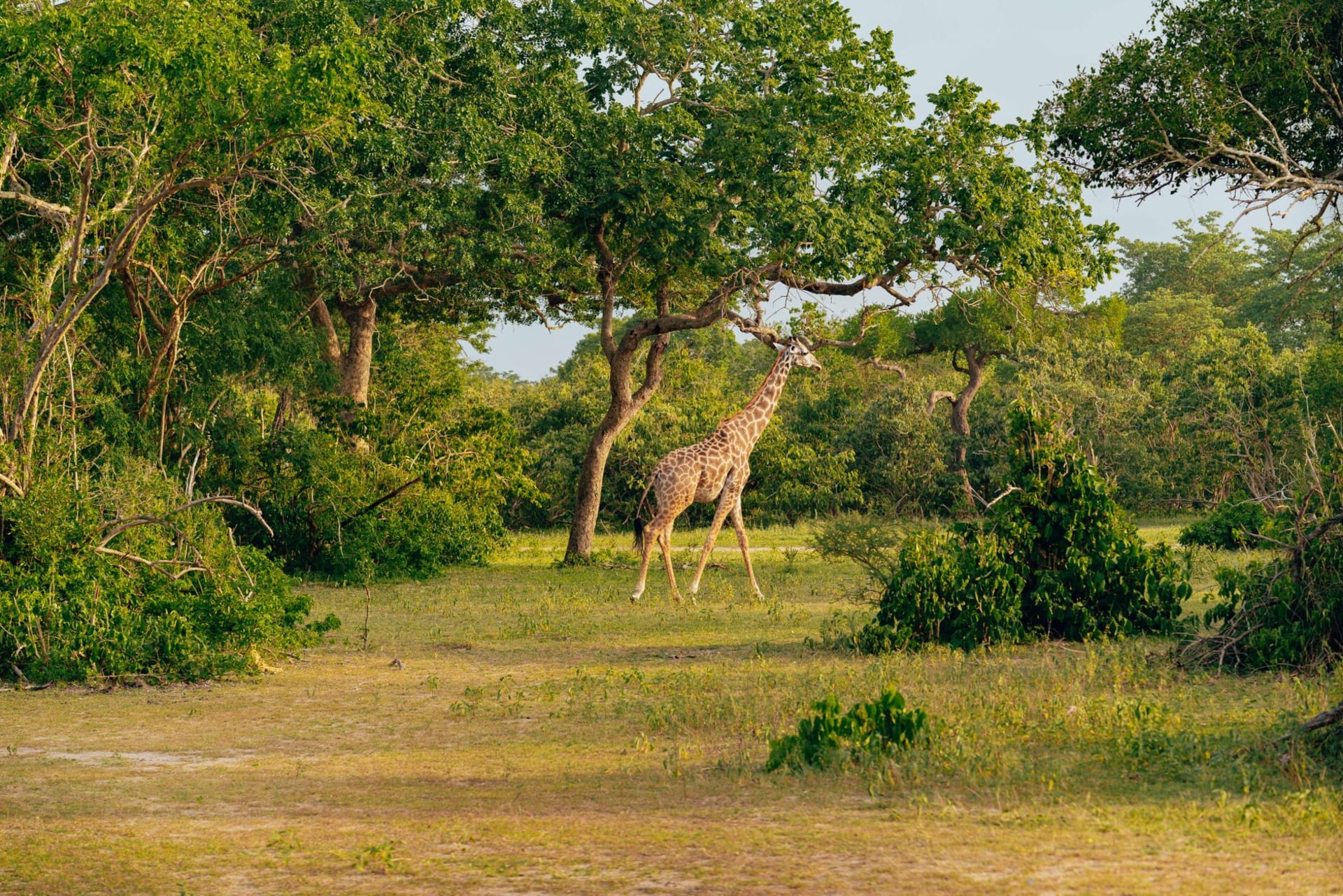
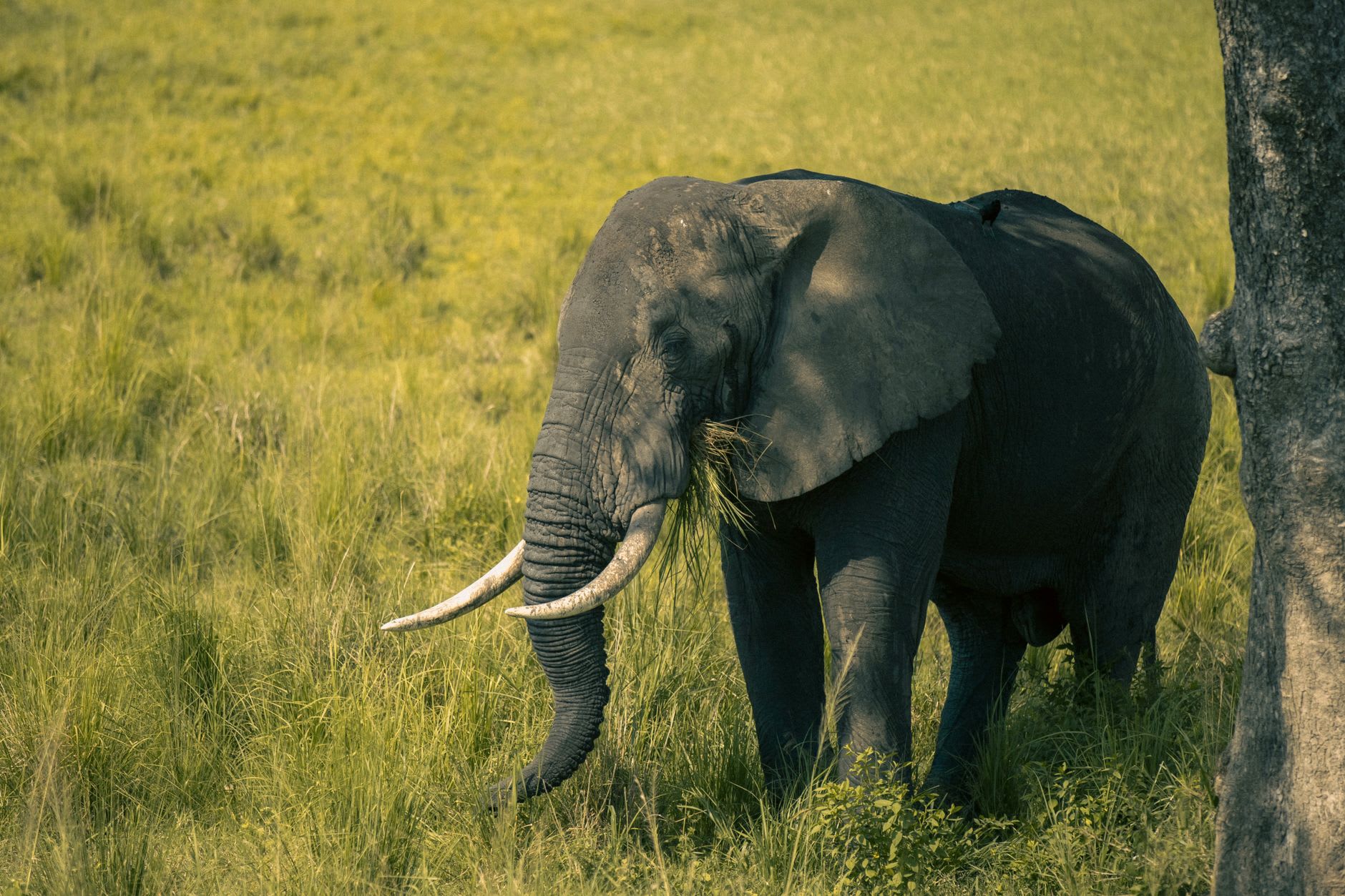
Pongara National Park sits on the tip of the peninsula directly across the estuary from Libreville, and it is one of the most accessible pieces of genuinely wild coastal forest in Central Africa. The beaches that front it are long, pale, backed by trees that have never been logged. Olive ridley and leatherback turtles nest here. The forest holds forest elephants, several species of monkey, and — occasionally, depending on the season and the hour — western lowland gorillas that follow the riverine corridors to the coast.
I walked the beach for two hours early one morning, the sand still cool from the night, the Atlantic running in from the west in long, white-topped sets. The only footprints I encountered until mid-morning were turtle tracks — the wide, parallel drag marks of a female that had come up in the night and returned to the sea. I followed them to the nest site and then back to the waterline, tracing her route in reverse. It felt like reading a sentence in a language I didn’t quite know but understood.
The forest interior is another register entirely. Under the canopy, the humidity becomes a physical presence — the kind that makes your glasses fog when you step out of the vehicle and turns your shirt opaque within minutes of walking. But the light that comes through the canopy is extraordinary: broken, green-gold, moving with the leaves. The guides who work in the park know the animal trails and move through the undergrowth with an ease that makes me feel like I have no idea how to be in a forest. Red-capped mangabeys call overhead. The ground smells of wet leaf litter and something fungal and sweet.
Between July and September, humpback whales pass through the estuary mouth and can be seen from the beach, sometimes at surprisingly close range. The combination — whale watching from a beach backed by primary forest, twenty minutes from the capital — is the kind of thing that should require a flight to somewhere genuinely remote. That it doesn’t says something about Gabon that no amount of description quite captures.
When to go: June through September for dry conditions, whale watching, and the best forest trekking. October through March for turtle nesting, with peak activity November through January. The park is reachable year-round by ferry from Libreville’s Port-Môle, but the forest trails become difficult during heavy rains. Book accommodation on the Pongara side in advance — options are limited and fill quickly in the dry season.