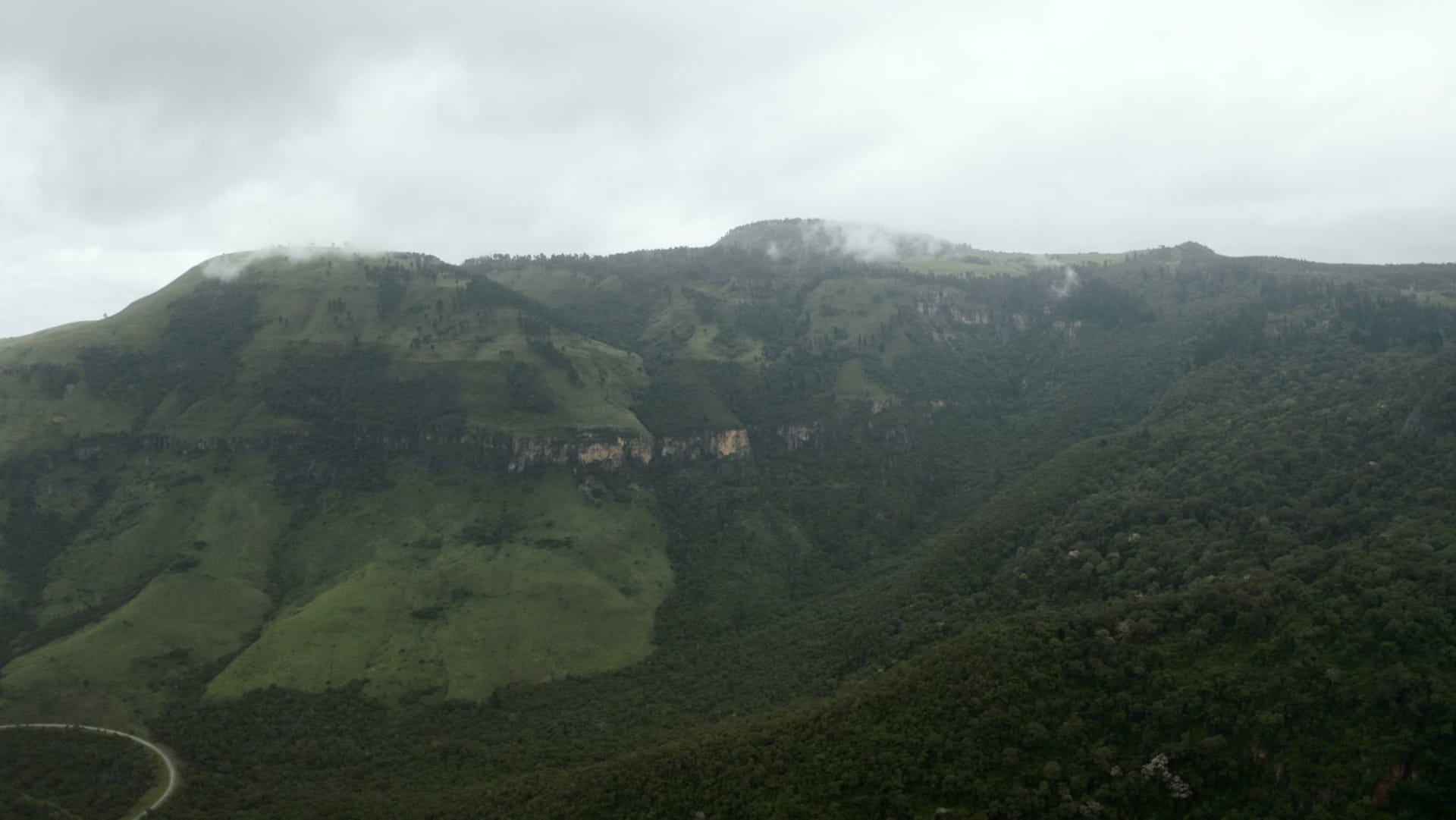
Monts de Cristal
"The water coming off those rocks was so clear it looked like the rock was simply sweating light."
An hour north of Libreville the road climbs into granite uplands and the air changes — cooler by several degrees, carrying a dampness that is different in quality from the coast’s humid weight. The Monts de Cristal Biosphere Reserve occupies this highland zone, a series of rounded granite massifs and forested ridges that drain into crystal-clear rivers running over dark rock. The name is apt: the watercourses here have a transparency that looks artificial, like someone has installed lighting beneath the riverbed to show off the stone.
I came on a Monday, which turned out to be a mistake because the entry procedures at the small ranger post took longer than expected and the guide I had arranged the night before via phone appeared an hour late and unapologetic and turned out to be excellent. We drove a red laterite track into the reserve, stopped where the track ended, and walked. The forest closed over us within fifty meters.
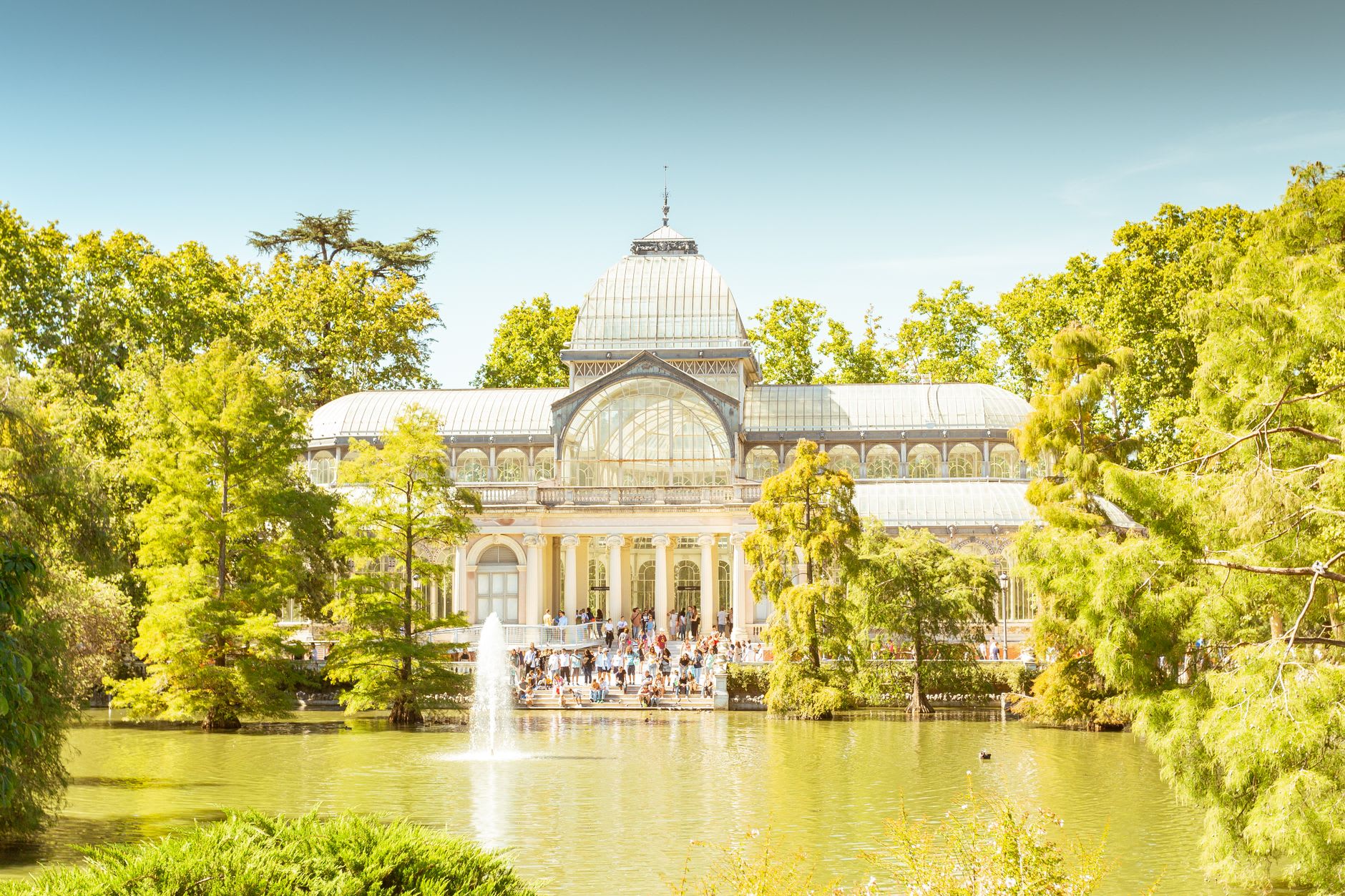
The Chutes de l’Impératrice — the Empress Falls — are the reserve’s most visited feature, which still means you arrive to find the spray hitting your face and no one else around. The falls drop in several stages over granite shelves into a pool dark as tea from the tannins, and the sound in that enclosed granite bowl is immense and reverberant. I swam in the lower pool because the water was cold enough to feel like a revelation after the coast’s warm Atlantic, and because the guide waded in without asking my opinion and this seemed like an invitation.
The primates in the Monts de Cristal include mandrills, western lowland gorillas, chimpanzees, and several species of smaller monkeys. You see them as you walk — not on any schedule, not from any platform, but on the forest’s terms. My guide moved through the undergrowth reading signs I couldn’t decode: a bent branch, a pile of dung, a fruit on the ground with a specific bite pattern. He called softly a few times in the direction of something I couldn’t see, and after a moment, a mandrill appeared on a branch ten meters above us — the blue and scarlet of his face catching the forest light like something that had been painted there — and then moved on.
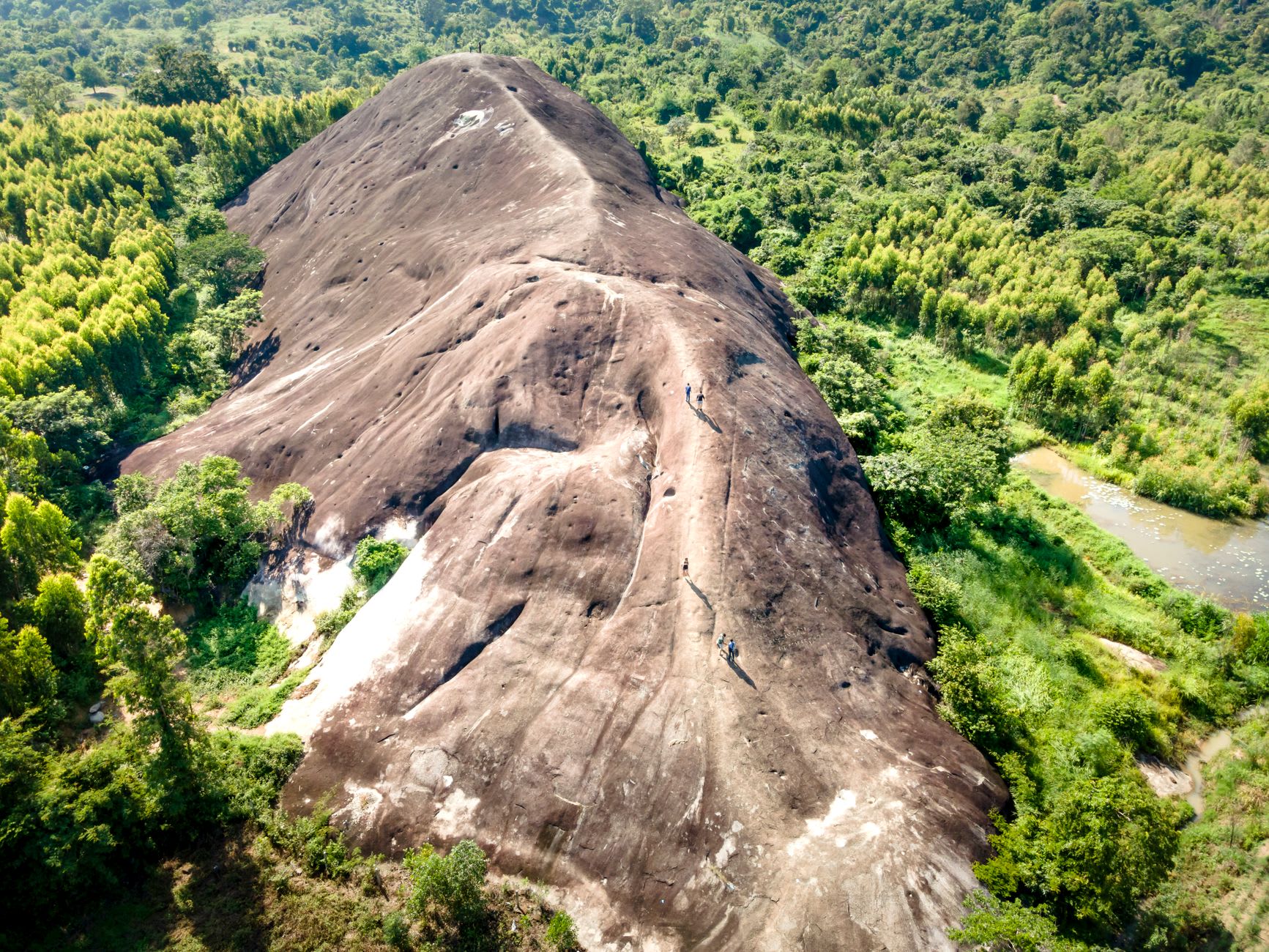
The reserve’s highlands offer something rare in equatorial Gabon: altitude, relative coolness, and views. From certain rocky outcrops you can see back toward the coast, a blue-green shimmer on the horizon where the Atlantic begins. Below, the forest canopy stretches unbroken in every direction, the treetops a single undulating plane of green interrupted only by the occasional granite tor pushing through. Standing on one of these rocky viewpoints in the late afternoon, with the forest going quiet around me and the light going sideways through the granite, I had the feeling — familiar by now in Gabon — that this place was quite content without my appreciation of it.
When to go: June through September for drier conditions and clearer trails. The waterfalls are most impressive after the rains — November through January — though paths can be slippery. The reserve is a day trip from Libreville or can support a one-night camp with prior arrangement through the park authorities. Hire a guide through official channels at the ranger post; the trails are not marked and the forest is dense enough to disorient quickly.