Mayumba
"She weighed maybe five hundred kilos and she didn't know I existed — which is exactly as it should be."
The guide told me to leave the headlamp off entirely. We walked the beach in the dark, the Atlantic breakers loud to my left, and I followed the pale shape of his shirt. Mayumba’s beach is extraordinarily long — it runs for kilometers without a light or a building in either direction — and on an October night during the nesting season, the darkness is very nearly total. Then he stopped, put his hand on my arm, and whispered that she was there.
I could barely see her at first. A darkness within the darkness, immense, moving with an effort that was both ponderous and purposeful. A leatherback sea turtle, one of the largest reptiles alive on earth, had come ashore to nest. Her flippers swept sand in slow arcs. Her breathing, when I got close enough to hear it, was deep and regular, like bellows. I crouched in the sand ten meters away and simply watched, the spray coming off the surf in a fine salt mist, and I felt something that I hesitate to name because it sounds inflated — but it was close to awe, the plain biological kind.

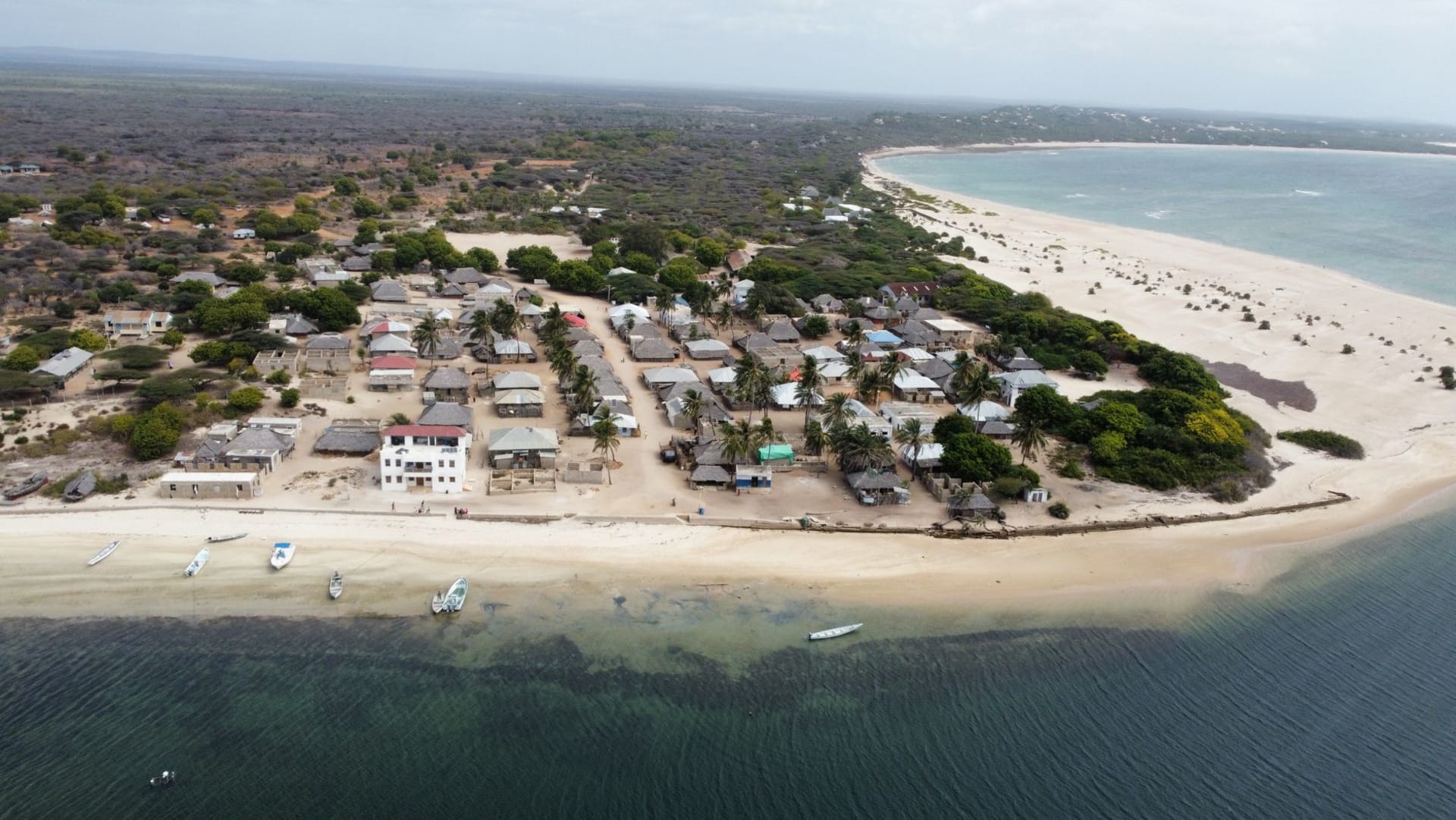
Mayumba sits at the far southern end of Gabon, a small town of fishing families and a handful of researchers. The national park that surrounds it protects one of the most significant leatherback nesting beaches in the world — thousands of females come ashore each season between October and March, a concentration that is almost impossible to comprehend until you are walking the beach at three in the morning and counting the fresh tracks in the sand. The town itself is functional rather than charming: a few guesthouses, a market that runs in the mornings, pirogues that go out before light and return with barracuda and capitaine.
During the day I swam in the estuary where the Banio Lagoon meets the ocean, the water warmer and calmer than the open Atlantic. I watched fishermen work the tidal flow with cast nets, flicking them out in wide arcs that caught the low light. A local woman sold fried plaintain from a plastic table and watched my futile attempts at French with the tolerant bemusement of someone who has seen many confused foreigners try to buy things. The afternoons were long and hot and almost completely quiet, and I understood why the researchers who come here for turtle monitoring end up staying for seasons.

The humpback whales pass the coast in the opposite season — July through September — and from the beach at Mayumba you can sometimes see them from shore, their blows catching the afternoon light. Nothing is organized for either event. No whale-watching tours, no guided turtle experiences beyond what conservation-focused operators arrange in advance. You contact the park authorities, you arrange, you come. The informality is both the frustration and the whole point.
When to go: October through March for leatherback turtle nesting — peak activity runs November through January. July through September for humpback whales passing close to shore. Avoid April through June, which is rainy season without the compelling wildlife. Flights from Libreville serve Mayumba several times a week; the road south through the forest is long and requires serious 4WD in wet conditions.