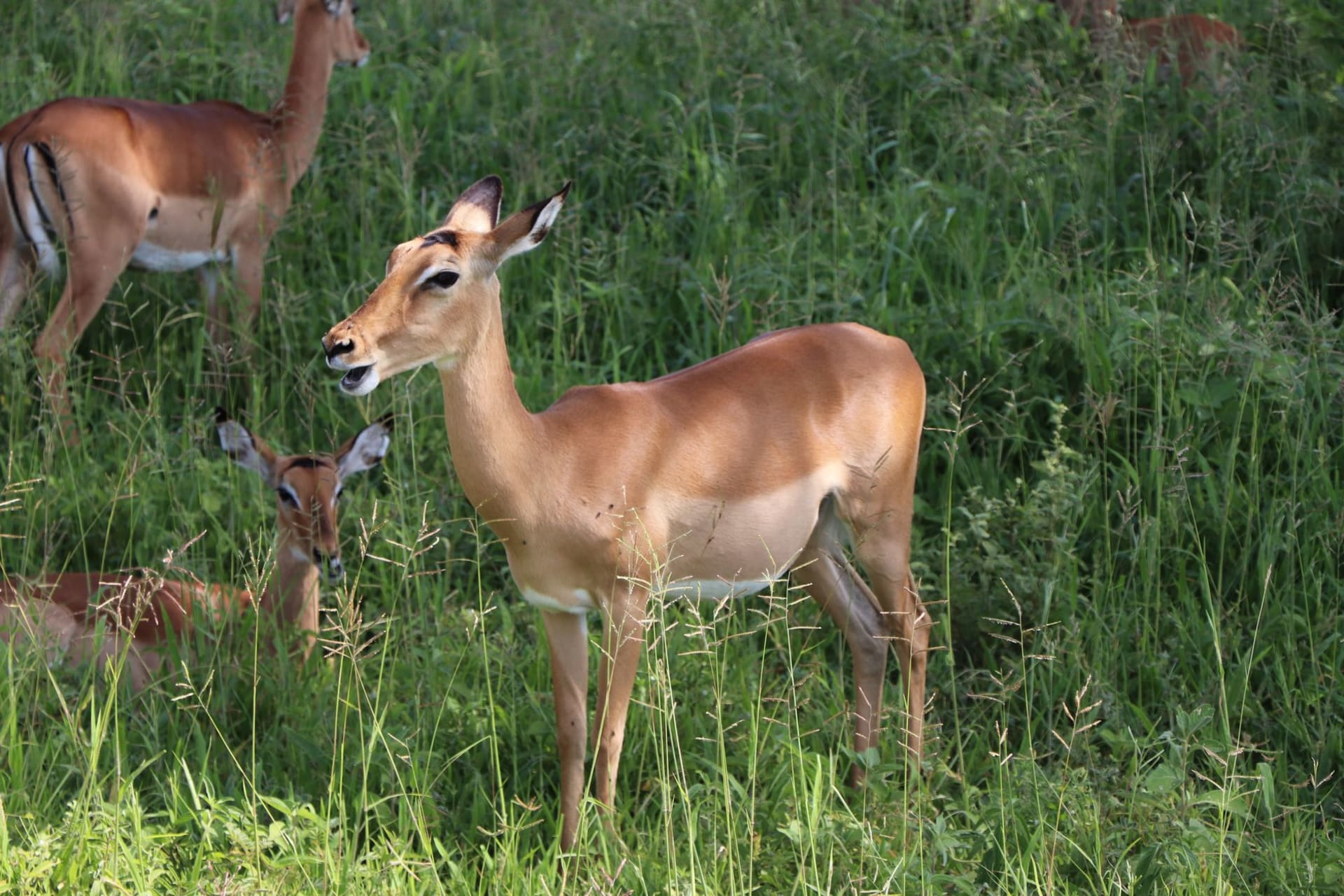
Lopé National Park
"An elephant looked at me for three full seconds and then decided I wasn't worth the attention."
The road into Lopé runs along the Ogooué River, and for long stretches there is nothing beside the red laterite track but wall after wall of forest — cathedral-tall, impenetrably green, the trees growing so close to each other that you understand why the French used the word “impénétrable” and meant it literally. I had taken the train from Libreville, the famous Transgabonais, which deposited me at the park’s small station at four in the morning. I sat on my bag in the dark and listened to the forest — a sound that is less silence than a constant, overlapping hum of insects, frogs, and something I never identified that made a sound like a door hinge slowly turning.
At first light the landscape shifted into something I hadn’t expected: open savannah, pale grass running up to abrupt hillsides, the kind of grassland you associate with East Africa suddenly embedded in the middle of Congo Basin jungle. This mosaic — forest and savannah intersecting with a geological abruptness that scientists still argue about — is what makes Lopé a UNESCO World Heritage Site. You drive from dense canopy into open grassland in under a minute, and the temperature changes with it, the air cooling slightly in the shade and then hitting you warm and fragrant when the trees open up.
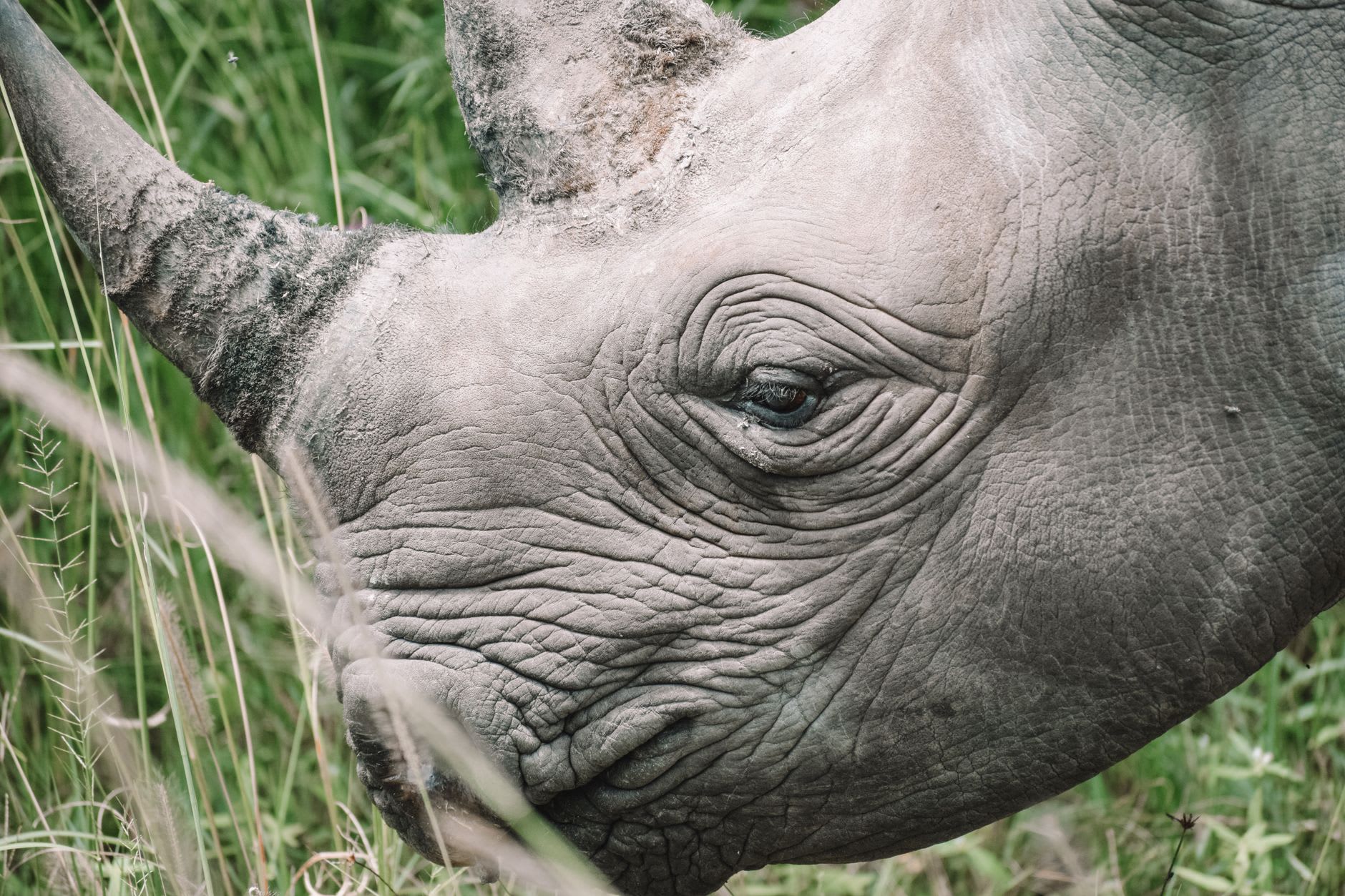
The forest elephants are what I came for and they did not disappoint, though they disappointed my sense of drama entirely. They simply appeared — five of them, moving out of the forest edge into the grassland as if they had a clear agenda and we were a minor inconvenience in its execution. Smaller than savannah elephants, rounder in the face, their ears different, they carry themselves with a different kind of energy: forest-adapted, more secretive, less accustomed to the open. Our vehicle stopped and the guide killed the engine. The elephants moved past at roughly thirty meters, and one of them turned and looked at us with what I can only describe as polite disregard, then turned away. That look — brief, evaluative, utterly unimpressed — stayed with me longer than almost anything I saw on the trip.
Mandrills are harder. You hear them before you see them, sometimes you hear them and see nothing at all. But if the timing is right, a troop moves through the forest canopy like a slow tide — all that color, the males’ ridged faces of blue and scarlet, a sight so implausible that the first time you see it you laugh reflexively. The research station at Mikongo runs primate habituating projects, and visiting through the station gives you the closest thing to a reliable sighting.
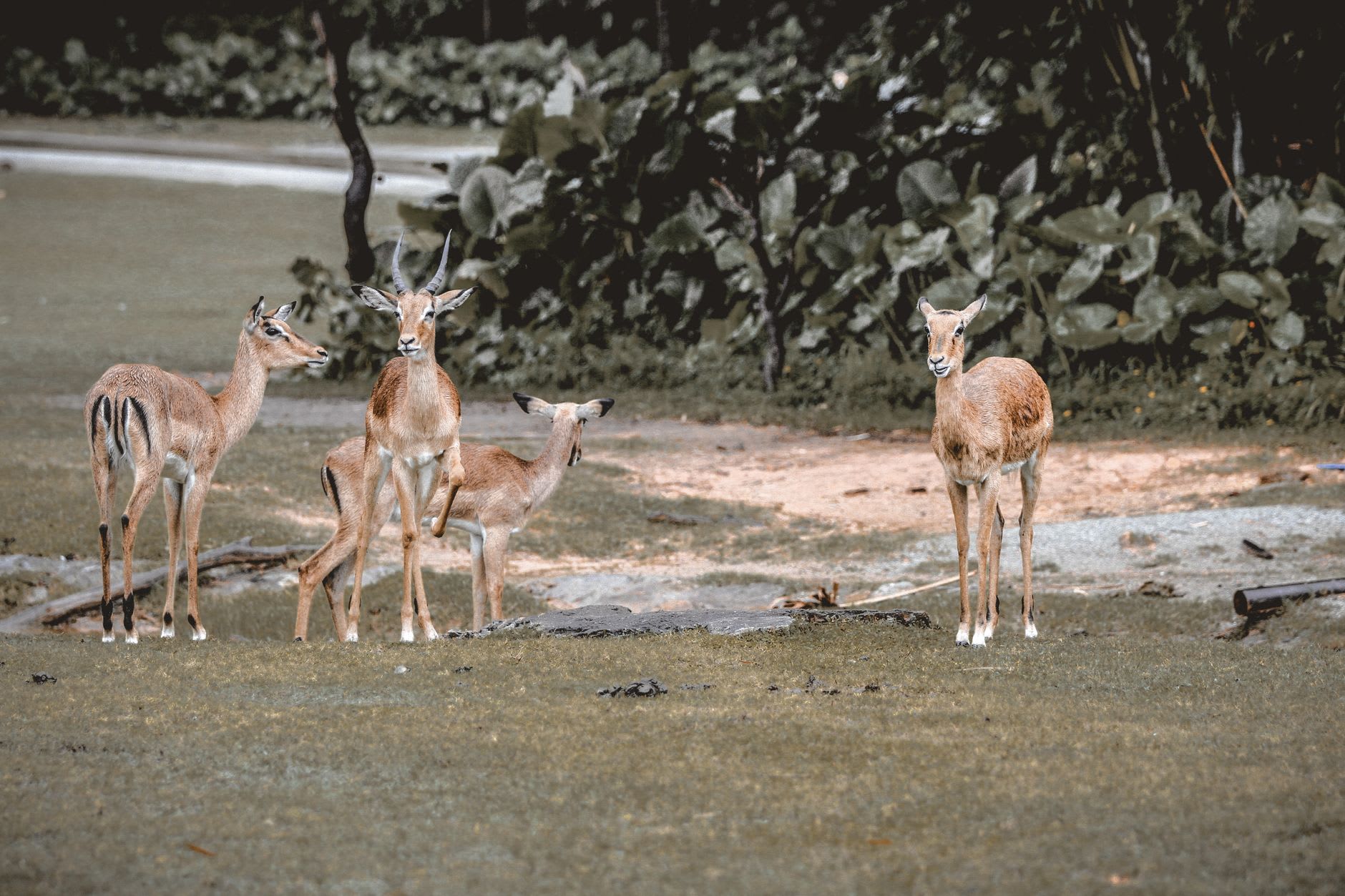
The park also holds rock shelters with Bantu engravings — some of them 400 years old, some estimates reach much further — carved into the cliff faces near the Ogooué. To stand in front of them in the equatorial heat and trace the shapes with your eyes is to feel the particular vertigo of a place where the human past is genuinely ancient but has never been turned into an attraction.
When to go: June through September is the dry season and by far the best time — forest tracks are passable, wildlife concentrates around water sources, and the savannah walks are clear. The Transgabonais train runs year-round and is one of the great rail journeys in central Africa. Avoid April through May when the rains turn the laterite roads to red soup and even 4WDs get stuck.