Libreville
"The city that greets you with warm air, a shrug, and absolutely no tourist infrastructure whatsoever."
I arrived in Libreville at the hour when the Atlantic light goes sideways and everything turns the color of old copper. The taxi from Léon-Mba airport moved through traffic that moved like it had opinions, and the driver played Afrobeats at a volume that discouraged conversation. We passed the Presidential Palace — lit up, behind gates — and then the road opened onto the waterfront boulevard, the Bord de Mer, and I rolled down the window and let the smell in: salt, frangipani, diesel, and something damp and vegetable underneath it all that I would later recognize as the edge of the forest pressing in from every direction.
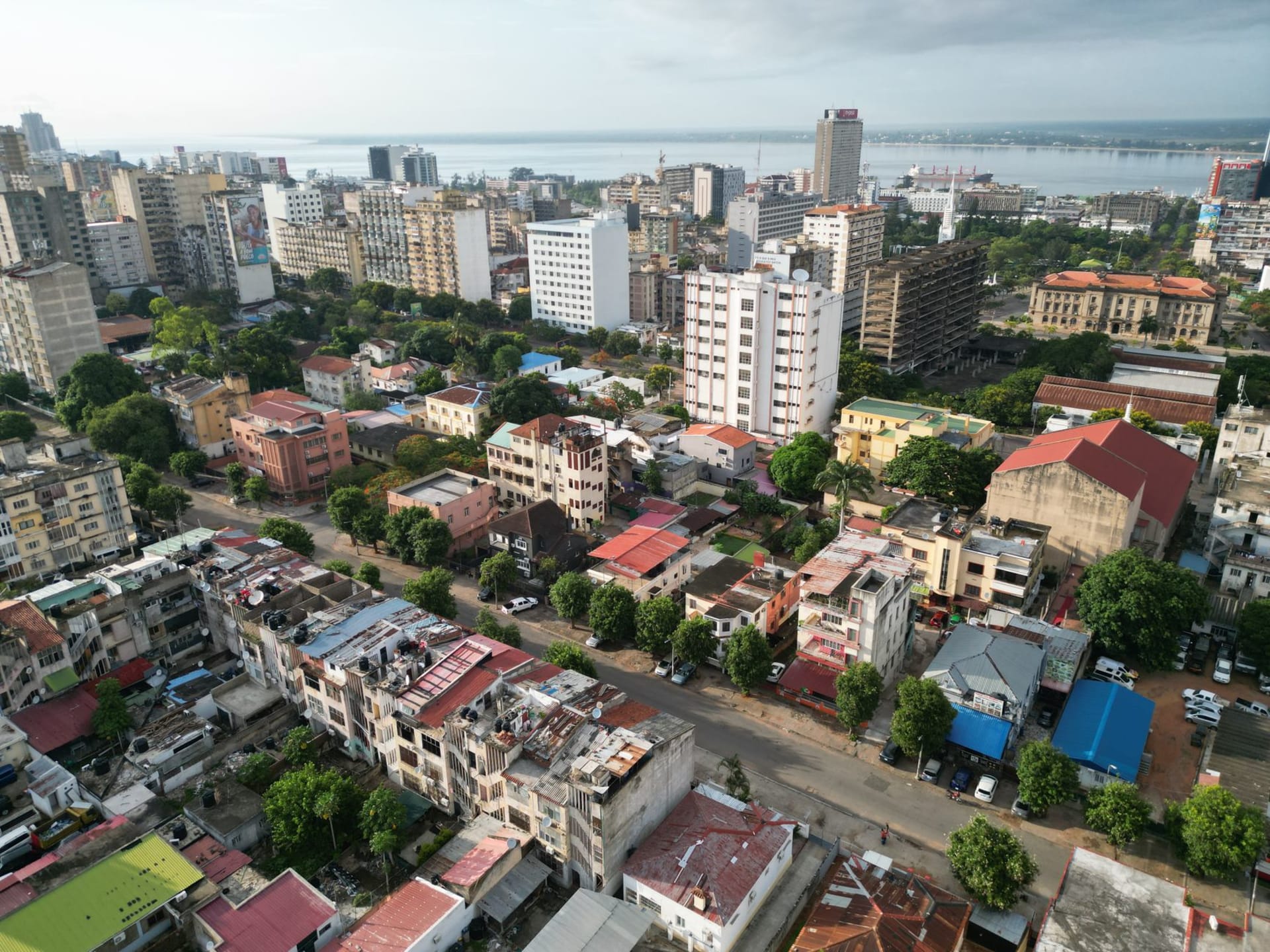
Libreville does not perform for visitors. There is no old quarter, no postcard skyline, no particular monument that people queue for. What it has instead is a quality of ordinary life going about its business with total indifference to outside observation, which, after too many cities that have learned to perform themselves for cameras, felt like a relief so physical I nearly laughed.

Marché Mont-Bouët is the city’s great market, enormous and chaotic and running at full volume from early morning until the light fails. I spent two hours there on my second day, following the smells: dried fish stacked in the sun, pyramids of palm oil in plastic containers, chilis in five shades of red, caterpillars in buckets, the sweet corruption of ripe plantain. Vendors called out in Fang, Myene, French — sometimes all three in a single sentence. A woman selling smoked fish wrapped my purchase in newspaper from two months ago without looking up. I ate standing at a food stall, a bowl of ntchoy — cassava leaves cooked with palm oil and smoked fish until the whole thing became a single dark, earthy thing — and it was one of the better meals I had anywhere in the country.
The waterfront at La Sablière, a curve of beach south of the centre, fills in the late afternoon with people who have nowhere particular to be. Children chase each other into the Atlantic. Old men play cards under a corrugated metal awning. A few pirogues pulled up on the sand, their paint faded by the equatorial sun, belong to fishermen who have already sold whatever they caught before noon. The water is the color of pewter, the horizon flat and immense. It is the kind of scene that makes the idea of a curated waterfront — with its restaurants and jogging paths — seem like a category error.

Evenings in the Quartier Louis and around the Rue des Pêcheurs have a heat of their own — restaurants without signs that operate from behind corrugated walls, bars where the Régab beer comes cold and everyone seems to know each other. The nightlife runs later than you expect from a city this size, and the music leaks from three different venues at once on a Friday, none of it synchronized, all of it somehow becoming the texture of the street itself.
When to go: Libreville is accessible year-round, but June through September brings the cooler, drier season — still warm by any standard, but less ferociously humid. These months offer easier movement into the surrounding national parks. December and January have holiday energy and feel particularly alive; the city empties slightly in August when some residents travel, which paradoxically makes it easier to move around.