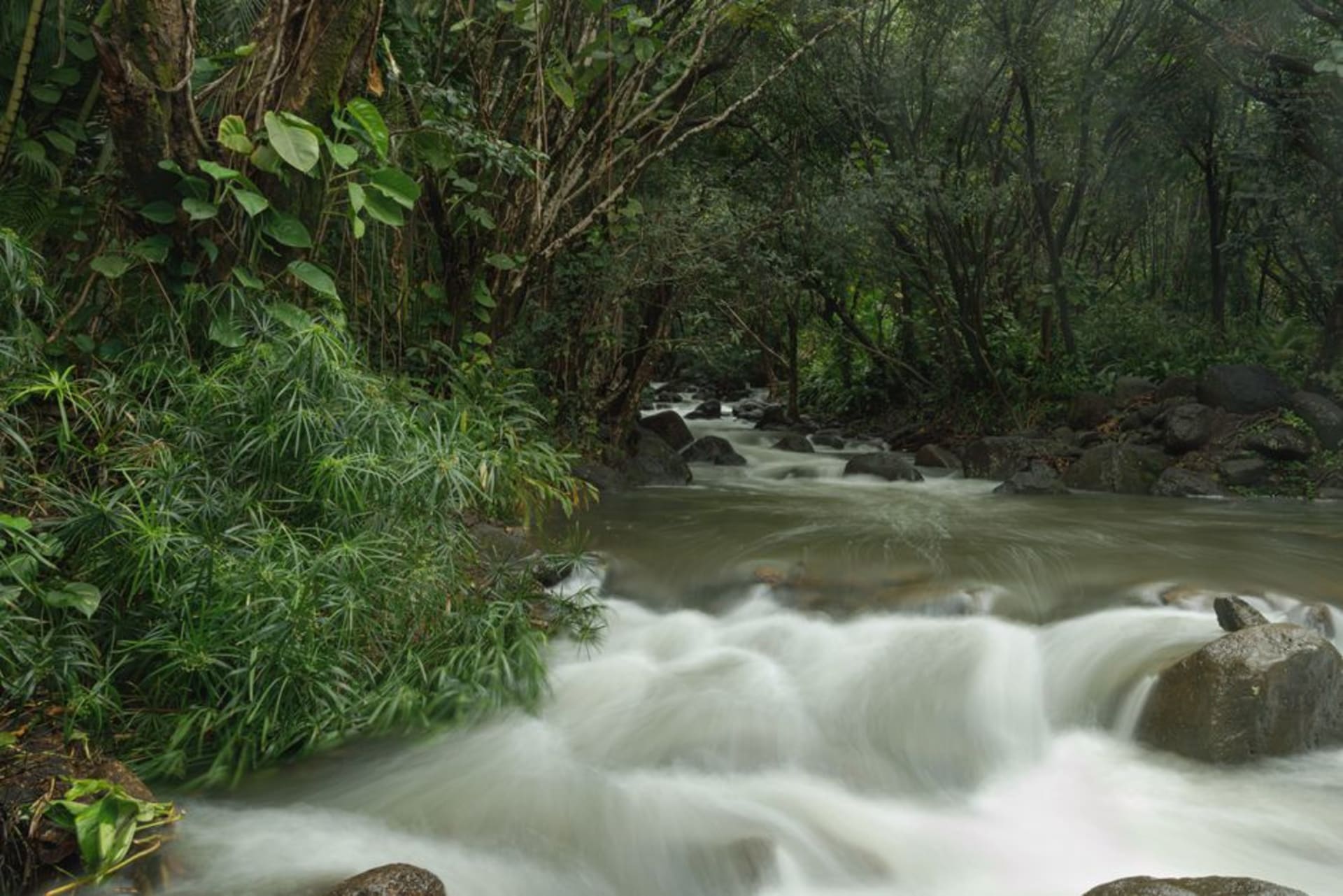
A roadless expanse of rainforest where forest elephants gather at a hidden clearing and a river thunders over ancient falls.
I’ll admit it took me almost a year of half-formed plans before Lia and I actually got ourselves to Ivindo. It isn’t a place you casually decide to see on a Tuesday. You take a train out to Ivindo station, and from there the road simply stops existing — everything after that point is pirogue and footpath, guided by men who know the river’s moods better than they know their own. Sitting in that dugout canoe, watching the forest close in on both banks, I remember thinking that this was the first trip in years where I had absolutely no idea what the next three days would look like. That feeling alone was worth the trouble.
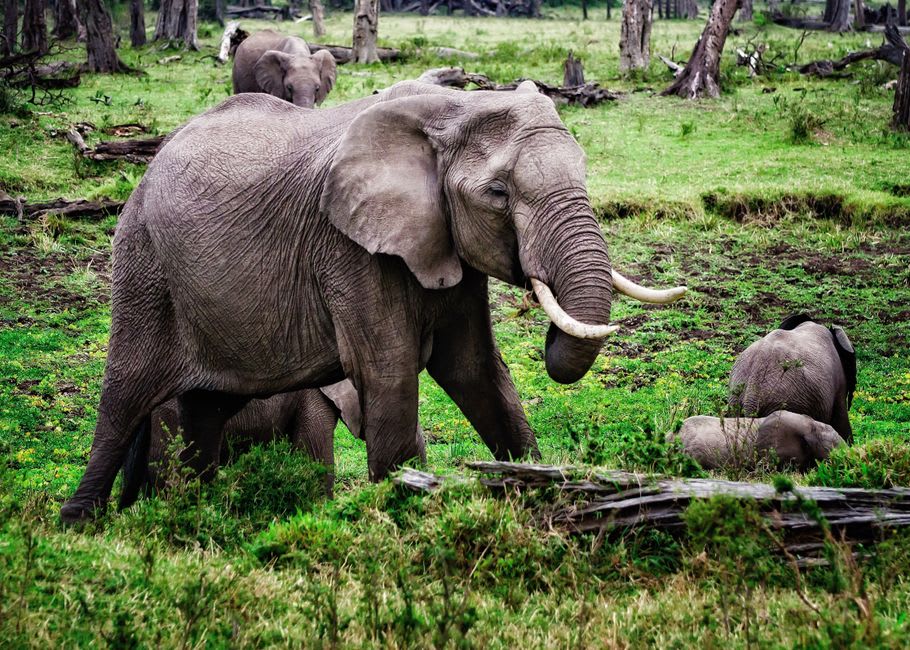
The park itself is enormous — something like 3,000 square kilometers of unbroken equatorial forest in the northeast of the country — and it was only set aside as a national park in 2002, part of a batch of thirteen that Omar Bongo created in one sweep. What struck me most was how young that protection is compared to how ancient the forest feels. We spent one long, sweaty afternoon hiking toward Langoué Baï, the forest clearing that the American scientist Mike Fay stumbled onto during his legendary Megatransect walk across Central Africa. Our guide had us wait, dead silent, at the edge of the trees. And then they came: forest elephants moving with a kind of unhurried confidence, gorillas at the treeline, and a sitatunga antelope wading through the mineral-rich mud like it owned the place.
Two days later we reached the other reason people make this journey: the Kongou Falls, where the Ivindo River drops in a series of cascades so wide I genuinely compared them, out loud, to sections of the Zambezi — and our guide just nodded like he’d heard that before. The noise of it reaches you before the falls themselves do, this low roar through the trees that gets louder with every step. Lia and I sat on a rock ledge above the spray for what felt like an hour, not talking much, just eating slices of mango we’d carried from the last camp and watching the light change over the water.
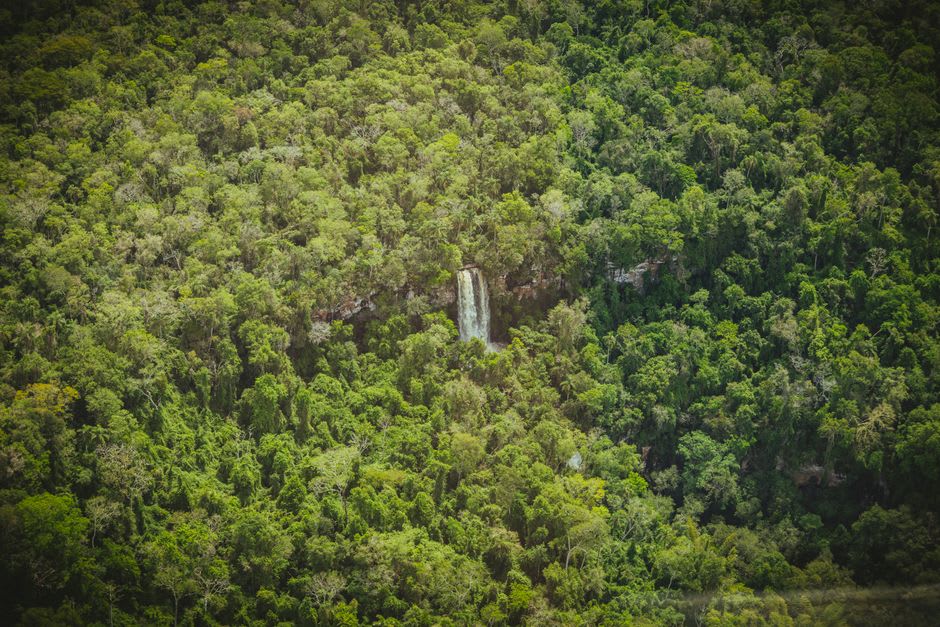
What I keep coming back to, months later, is how little of Ivindo is designed for visitors at all. There’s no boardwalk, no viewing platform, no gift shop at the end. You earn every hour you spend there, and I think that’s exactly why it stays with you.
When to go: Aim for the drier stretches, either June to August or December to January, when the river levels and forest trails are far more forgiving for the trek in.