Wuyi Mountain
"The tea master poured without speaking and I understood that some things are better tasted than explained."
The bamboo raft launched at six in the morning, when the Nine Bend River ran through its gorge with a skin of mist still resting on the surface and the cliffs above not yet lit by the sun. My guide — a man of about sixty who poled the raft with the easy authority of someone who has done this specific thing ten thousand times — said almost nothing for the first two bends. The river twisted through red sandstone cliffs that rose two or three hundred metres on both sides, their surfaces streaked with dark mineral staining and lichens in shades of orange and green, and in the rock faces I could see wooden planks that had been wedged into crevices — the hanging coffins of the ancient Minyue people, placed there three thousand years ago at heights that still make no obvious logistical sense. He pointed at one cluster without speaking. I nodded. We drifted on.
Wuyi Mountain is a place that operates on multiple registers simultaneously, and the effort of keeping track of all of them is part of what makes it rewarding. On the surface it is a scenic area, spectacular in the way that UNESCO heritage landscapes are spectacular — the kind of scenery that stops your breath reliably and doesn’t require any particular context to appreciate. The Nine Bend River, the cliffs, the ancient temples tucked into the rock overhangs — any of this would be enough. But layered over and through the landscape is the tea.
Wuyi oolong — Dahongpao in particular — is produced from bushes that grow in a specific strip of rocky soil at the base of the cliffs, where the mineral content of the rock and the particular combination of mist and afternoon sun produce a flavour that tea people in China describe with a word, yancha, that translates roughly as “cliff tea” and carries connotations of minerality and terroir that French wine people would find immediately legible. The six original Dahongpao mother trees, growing directly from a cliff face near Tianxin Rock, are now fenced off and their leaves no longer harvested — the last auction of authentic mother-tree tea sold at a price per gram that made the news. But their descendants, grown from cuttings and cultivated in the rocky strip below, produce tea that is still the benchmark for a certain style of oolong that tastes unlike anything grown anywhere else.
I found a tea house on the road to Tianxin Yongle Temple and spent two hours there with a woman who grew and processed her own tea on a small plot behind the building. She spoke no English and I speak rudimentary Mandarin and we communicated primarily through the gaiwan she refilled between infusions and the expression on her face when I lifted the cup. The tea had a quality that I can only describe as depth — not the depth of complexity for its own sake, but the depth of something that has absorbed its specific place so thoroughly that drinking it is a form of landscape. She watched me carefully. At some point I stopped trying to describe it even internally and just drank.
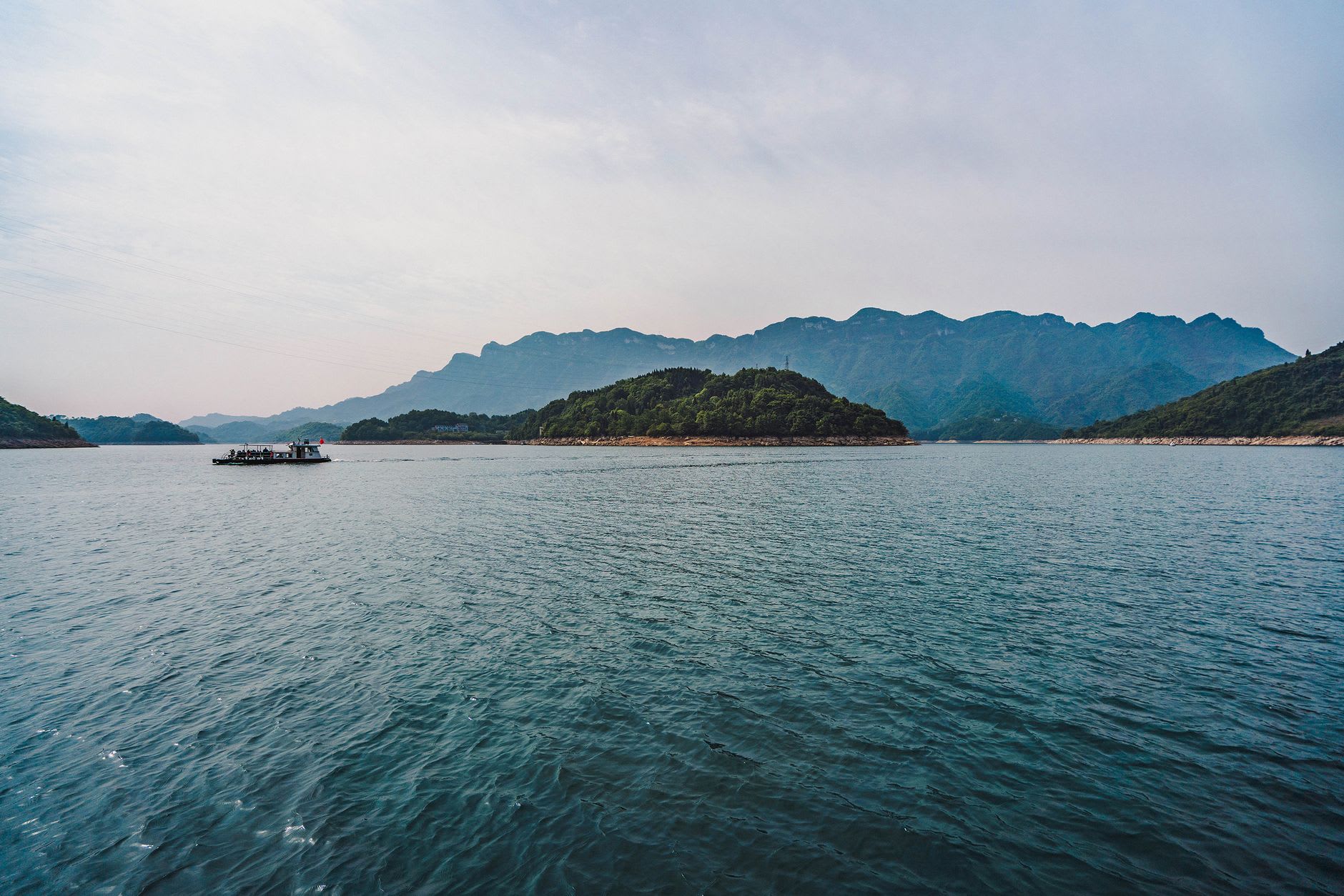
The hiking here is extraordinary and underappreciated. Tianyou Peak, reached by a stairway carved into a near-vertical cliff face, gives a view across the entire range that contextualizes what you’ve been moving through — the bends of the river suddenly visible as a unified system, the patchwork of tea plots along the valley floor, the peaks ranked like something from a Song dynasty scroll painting. My legs were not entirely grateful the next morning, but they had earned the feeling. The temples scattered across the landscape — some of them occupied by monks, some converted to tea culture museums, some somewhere in between — give the walking a structural rhythm, a series of places to arrive at and sit in before moving on.
When to go: March and April for spring tea picking season — the first flush of Dahongpao is harvested in April, and the tea houses around Tianxin are at their most active and welcoming. October and November offer similar clarity without the spring crowds. Avoid the Golden Week holiday periods (early October) when the bamboo raft queues extend to two hours. The river mist is thickest in the early morning through April — this is when the landscape looks most like the paintings it inspired.