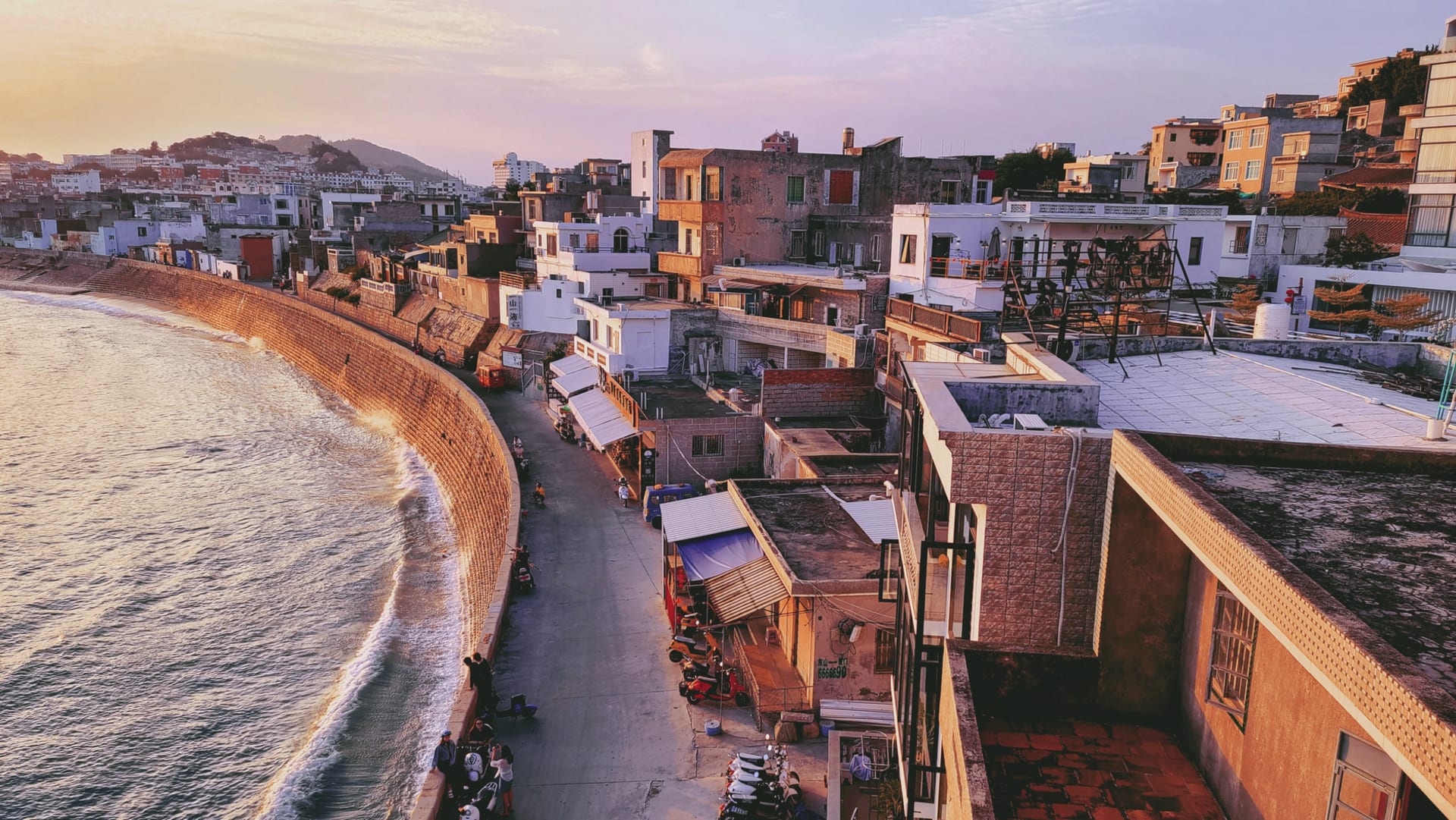
Taxia Village
"I had the courtyard to myself at six in the morning — just me, the roosters, and eight hundred years of rammed earth."
I found Taxia by accident, the way you find the best things in China — by missing a bus and having an extra hour in Shuyang township and following a dirt road because a woman in the noodle shop pointed at it in a way that seemed authoritative. The road dropped into a narrow valley, the mountains closing in on both sides, and there at the bottom, half-hidden by banana trees whose leaves were enormous and catching the late afternoon light, were the tulou. Not Yongding’s grand circular fortresses — these were smaller, older-feeling, embedded in the valley as if the valley had grown around them rather than the other way around.
Taxia is a village of about thirty families in Nanjing County, built around a cluster of five tulou — one large circular building, the Zhangfu Lou, and several smaller square ones that surround it in a loose arrangement dictated more by the topography of the valley than by any formal plan. A stream runs through the centre of the village, clear enough to see the pebbles on the bottom, with ducks in it in the morning and old men washing vegetables in it at noon. Banana trees, papaya trees, and a row of ancient camphor trees shade the paths between buildings. The smell is earth and woodsmoke and something sweet from the fruit rotting gently in the grass.
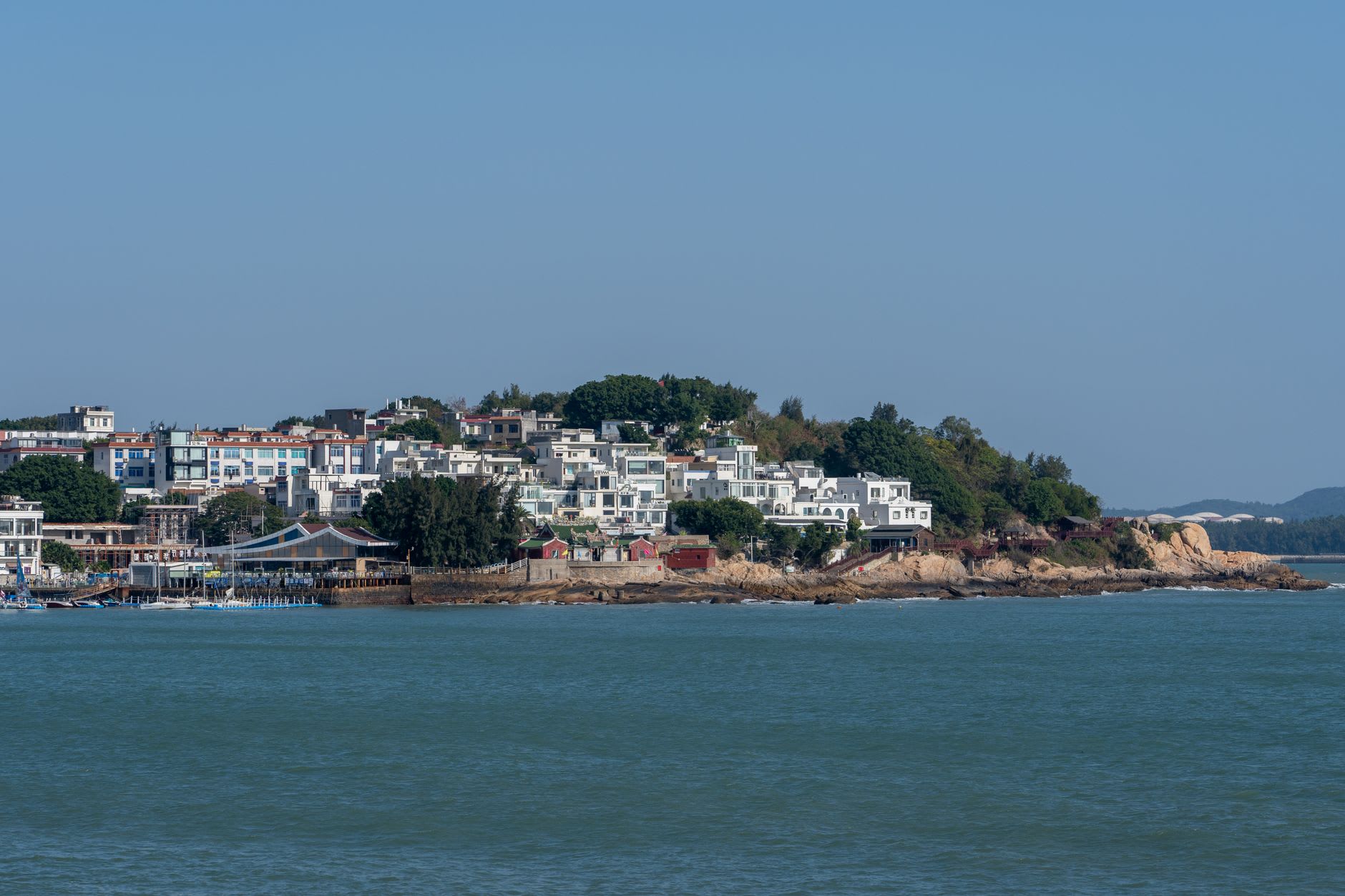
What separates Taxia from the more famous clusters around Hongkeng and Chuxi is simply the absence of the apparatus of tourism. There are no ticket booths, no official souvenir stalls, no guides in matching uniforms offering to explain the architecture in several languages simultaneously. A few families rent rooms in their buildings to travellers who find their way here, and one of them let me a space on the fourth floor of Zhangfu Lou with a wooden platform for sleeping and a view, through a small rectangular window in the earthen outer wall, of the valley below and the mountains beyond. The window framing was original — hand-carved wood, darkened by centuries of smoke from the kitchen fires on the ground floor — and the gap in the wall was exactly the right width to admit the morning light and the sound of the stream.
The Hakka food in Taxia is home cooking, served at a family table, and it operates on the logic of preservation and fermentation that has governed Hakka cuisine since the migration south: salted pork, fermented tofu, pickled mustard greens, a soup made from dried turnip and pork bones that takes all morning to cook and tastes like it. None of it is fancy. All of it is calibrated to exactly the appetite you develop after a morning of walking the valley paths through the rice paddies and up into the bamboo forest above the village where the air is twenty degrees cooler than at the valley floor.
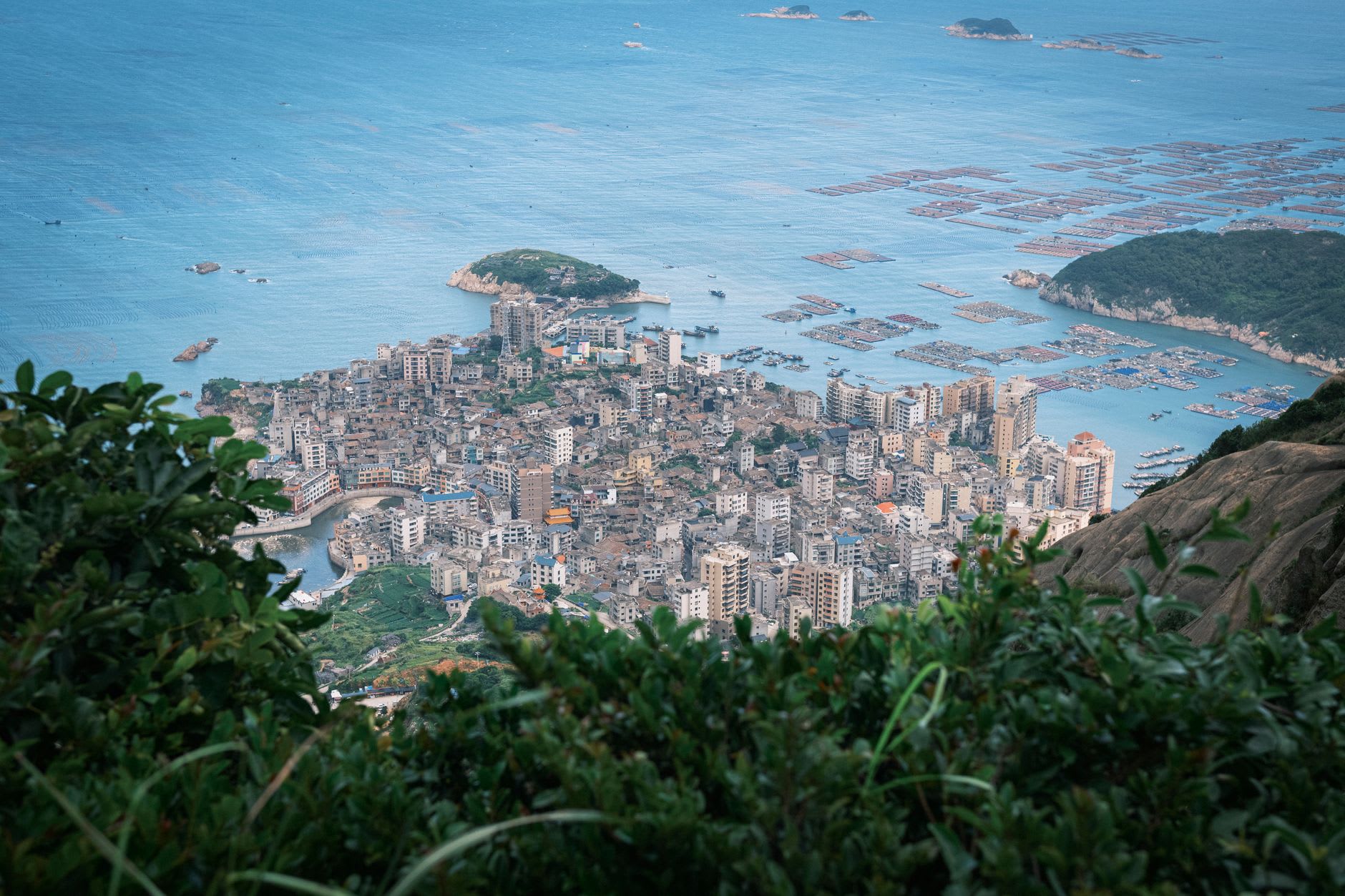
Walking up into the surrounding hills in the early morning — before the valley heat accumulates, before the roosters stop crowing and are replaced by the sound of motorbikes — is when the geography of Taxia becomes fully legible. From above, you can see how the tulou cluster anchors the valley: everything grows outward from those earthen circles, the rice paddies terraced up the slopes on both sides, the forest taking over where the terracing stops, the stream at the valley floor glinting in the early light as it was before the Hakka arrived here, will be after their descendants leave for the cities, the water flowing through an indifference to human chronology that is, in its own way, just as consoling as the permanence of the architecture.
When to go: March through May for green rice paddies and the gentle warmth before the summer heat. October for harvest gold in the fields and the best light in the valley. Taxia can be reached by shared minivan from Shuyang, which connects to Zhangzhou by bus. An overnight stay in the village is the difference between a visit and an understanding.