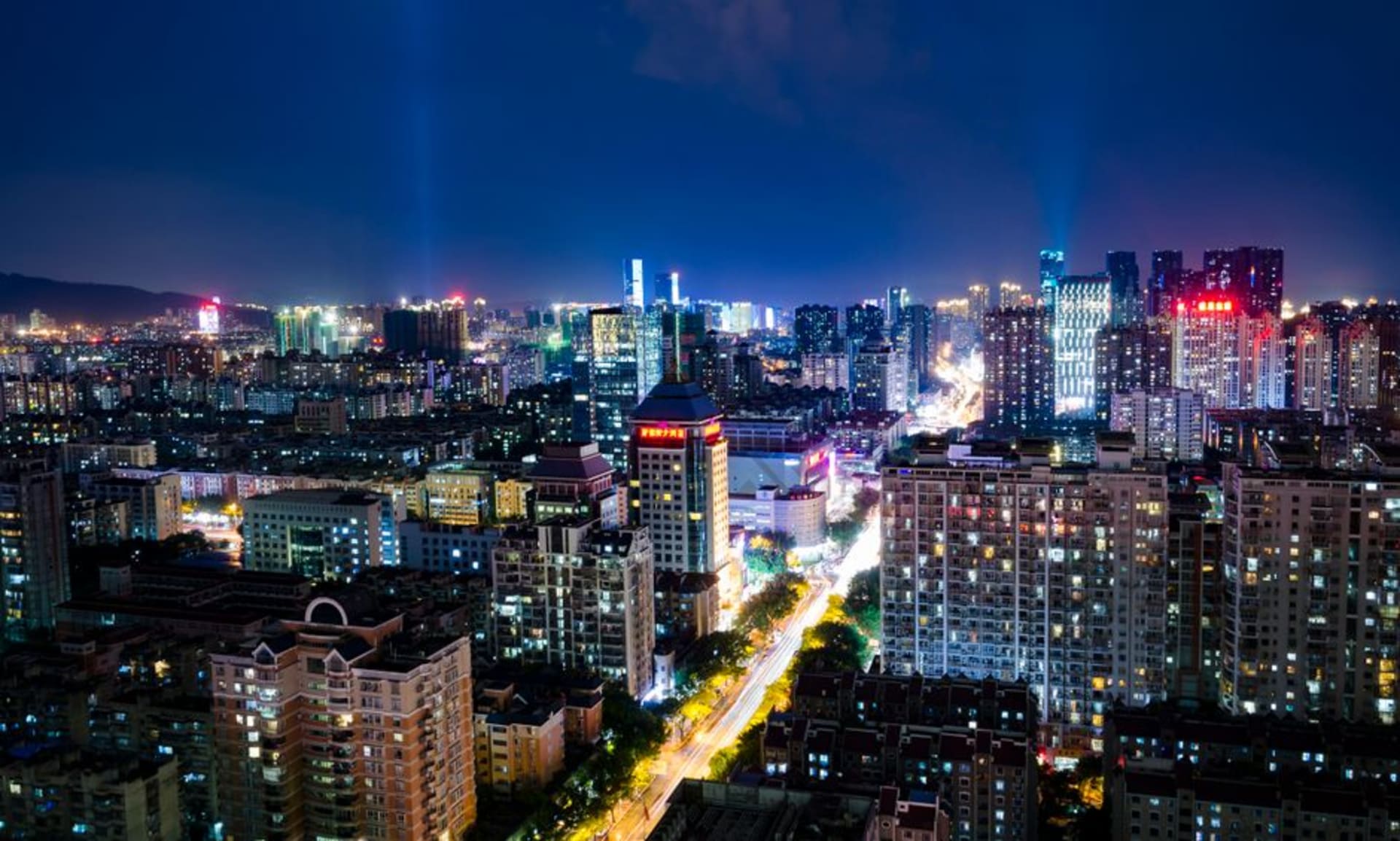
Fuzhou
"Fuzhou doesn't announce itself — it just keeps handing you another courtyard door to push open."
A river capital of banyan trees and Ming-era courtyards, where 2,200 years of history hide behind quiet stone gates.
We almost skipped Fuzhou. Lia and I had it penciled in as a one-night stopover between Xiamen and the ferry terminals further north, and I remember telling her over breakfast in our guesthouse that we’d “just see the old quarter and move on.” Three days later we were still there, arguing over which noodle stall near Sanfang Qixiang made the better oyster omelet. That’s Fuzhou for you — it works on you slowly, the way the banyan trees along its streets must have worked on the city itself, growing thicker and stranger since the Song dynasty until the whole place earned the nickname “Banyan City.” I kept catching myself staring up at their roots, thick as ship ropes, wrapped around walls that were already old when those trees were young.
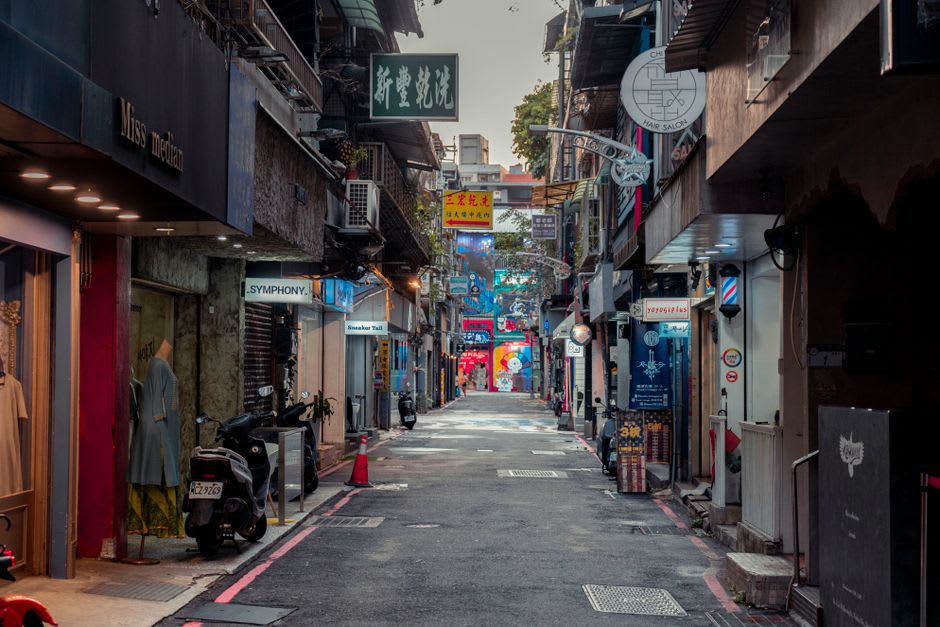
The heart of it is Three Lanes and Seven Alleys, Sanfang Qixiang, a roughly 40-hectare grid of Ming and Qing courtyard houses that I genuinely didn’t expect to move me the way it did. We wandered in around dusk on our second evening, when the day-trip crowds had thinned and the lanterns were just coming on, and it felt less like a heritage site and more like a neighborhood that happened to be several centuries deep. Lia pointed out that half the doorways still had worn stone thresholds polished smooth by generations of feet — nobody had bothered replacing them, and I loved that. This was the kind of place that produced scholars and reformers, including Lin Zexu, and standing in one of those narrow lanes it was easy to imagine the ambition that must have simmered behind those grey brick walls.
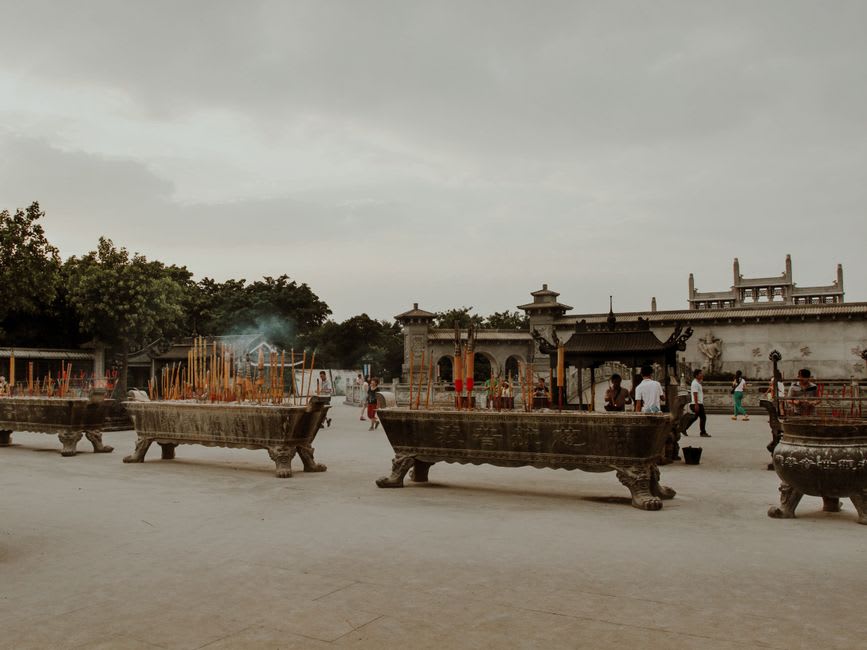
On our last full day we took a taxi out to Gushan, Drum Mountain, mostly because our guesthouse owner insisted we couldn’t leave without seeing it. The climb up to Yongquan Temple, founded all the way back in 908 CE, left us both sweating through our shirts, but the temple itself — incense smoke curling up through the courtyard, monks moving unhurried between halls — was worth every step. I sat on a stone bench near the entrance for a while just listening, and Lia disappeared to photograph a grove of trees she swore were older than the temple itself. Coming back down, we caught a glimpse of the Min River threading its way toward the coast, some 50 kilometers off, and it struck me how much of Fuzhou’s character comes from that in-between position: capital enough to matter, coastal enough to have been forced open. After the 1842 Treaty of Nanjing made it one of the five treaty ports, foreign consulates and churches went up on Nantai Island, and we spent our last morning wandering past their weathered facades, an odd, quiet counterpoint to the courtyard lanes across the river.
What I keep coming back to, months later, is how unhurried Fuzhou felt compared to everywhere else we’d been on that trip. Nobody was rushing us through Sanfang Qixiang, no one seemed to mind that we got lost twice looking for a specific tea house Lia had read about. It’s a city that rewards wandering rather than checklist tourism, and I’d tell anyone heading to the Fujian coast not to make the same mistake we almost did.
When to go: We went in late October, and I’d steer you toward autumn too — October through November brings mild, comfortable temperatures and a much lower chance of the typhoon disruptions that can derail travel plans along this coast earlier in the year.