Dongshan Island
"The rock has been balancing there for millennia. Every typhoon that passes threatens it. It hasn't fallen yet."
Nobody in the guesthouse in Zhangzhou knew why I wanted to go to Dongshan. The major attractions were already ticked off in my notebook — tulou, Gulangyu, the mudflats — and Dongshan Island sat at the bottom of the map like an afterthought, connected to the mainland by a narrow causeway and featuring in no itinerary I’d read. The owner of the guesthouse looked at my handwritten note with the island’s name and said, in approximate English, “very quiet.” This is exactly why I went.
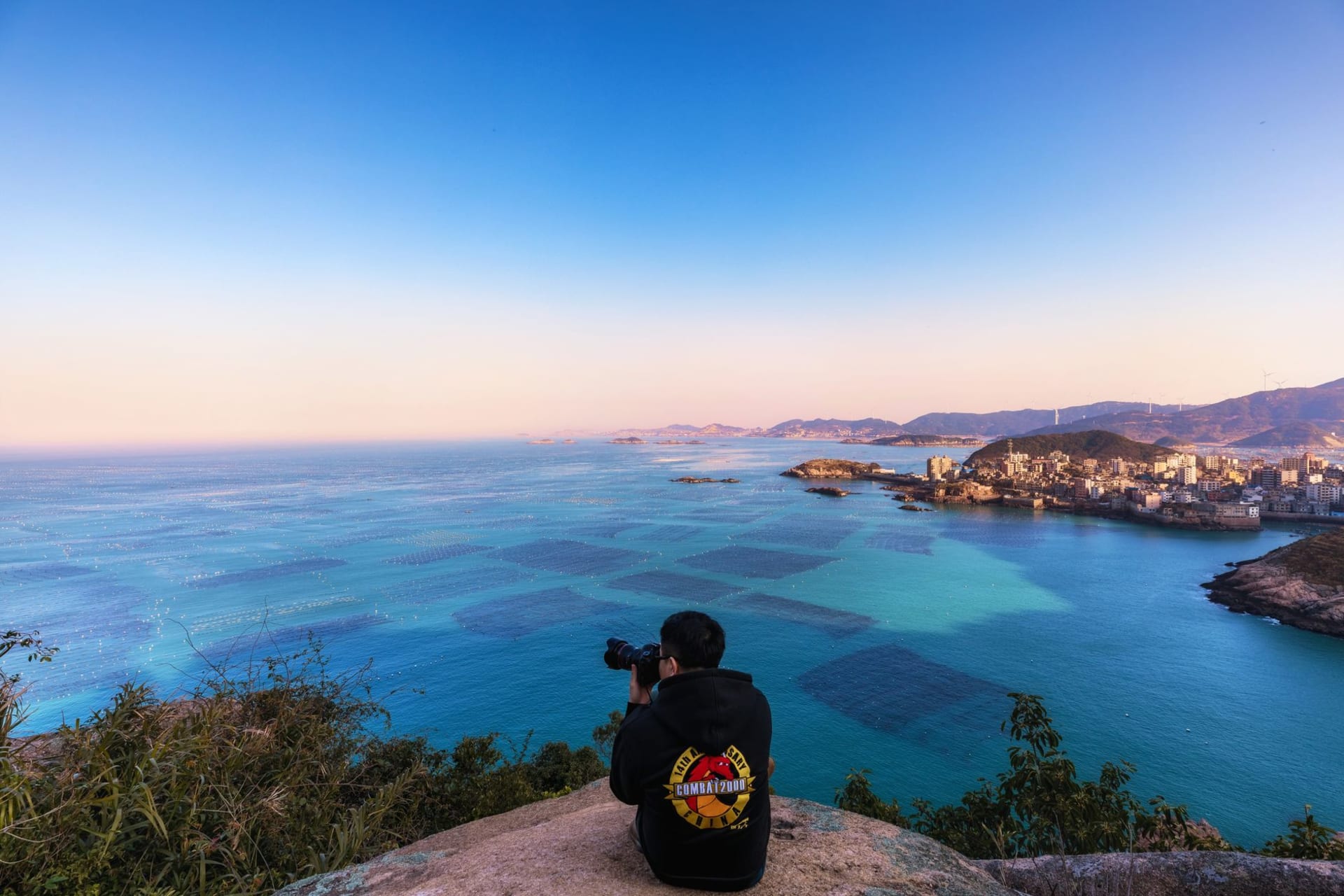
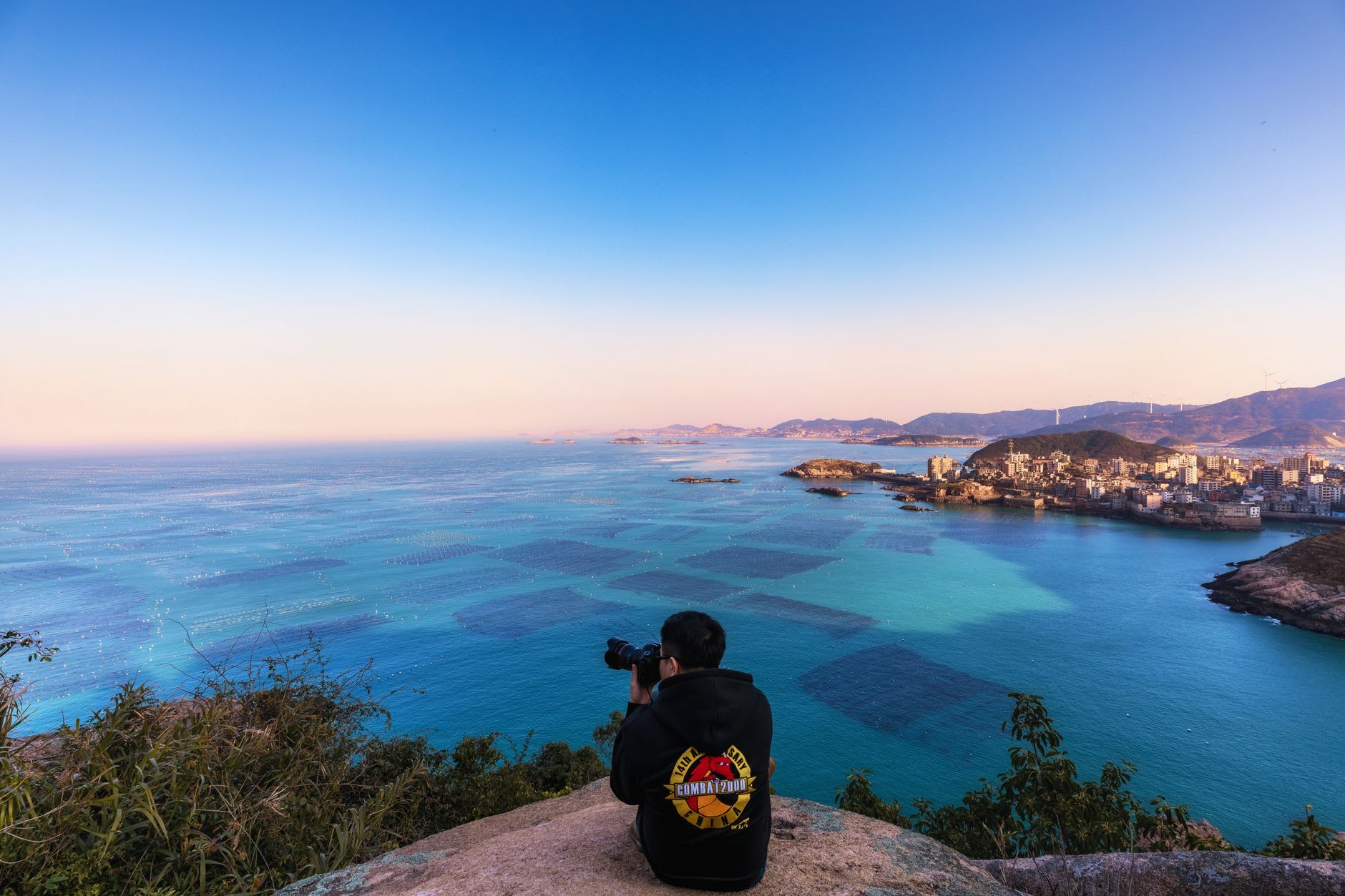
The island is connected to the mainland by a four-kilometre causeway that crosses a bay of such particular turquoise that I stopped looking at my phone and spent the taxi ride just watching the colour of the water change with the angle. The driver explained the history as we crossed: during the 1950s, when the relationship between the People’s Republic and the Nationalist government in Taiwan was at its most volatile, Dongshan was the scene of a significant military action. The remains of that period — a few preserved fortifications, some memorial architecture, a small museum — are scattered around the island’s northern end in a way that gives it an unlikely layer of recent history beneath its older character.
The Fengdong Rock, a massive granite boulder balanced on a base so small that the physics of it seems to defy sober assessment, sits on a low headland near the island’s eastern shore. I had seen photographs and assumed they’d been taken with a telephoto lens that compressed perspective and exaggerated the precariousness. They had not. The rock genuinely appears to rest on a contact surface the size of a dinner plate, and local records claim that typhoon winds have pushed it to rocking — it moves, fractionally, when pushed — without ever toppling it. I stood in front of it for a while feeling the specific pleasure of something that shouldn’t work but does. The surrounding granite landscape — boulders of all sizes strewn across the headland like a giant’s abandoned game — extends along the coast for several kilometres in both directions and rewards unhurried walking.
The old quarter of Dongshan Town, on the western side of the island, has a character that many Chinese coastal old towns have lost in the process of becoming tourist attractions: it is actually old, actually inhabited, and not particularly interested in me. Stone-walled lanes with houses built from the same granite as the island’s natural formations, fishing nets drying on bamboo frames in the alleyways, a fish market that operates at the waterfront from before dawn until everything is sold, which is usually by eight in the morning. The stalls at the morning market sell species I didn’t recognize and couldn’t name alongside ones I knew — crab and squid and octopus in sizes that suggested the Taiwan Strait is still delivering on its ancient promise to Fujian’s fishermen.
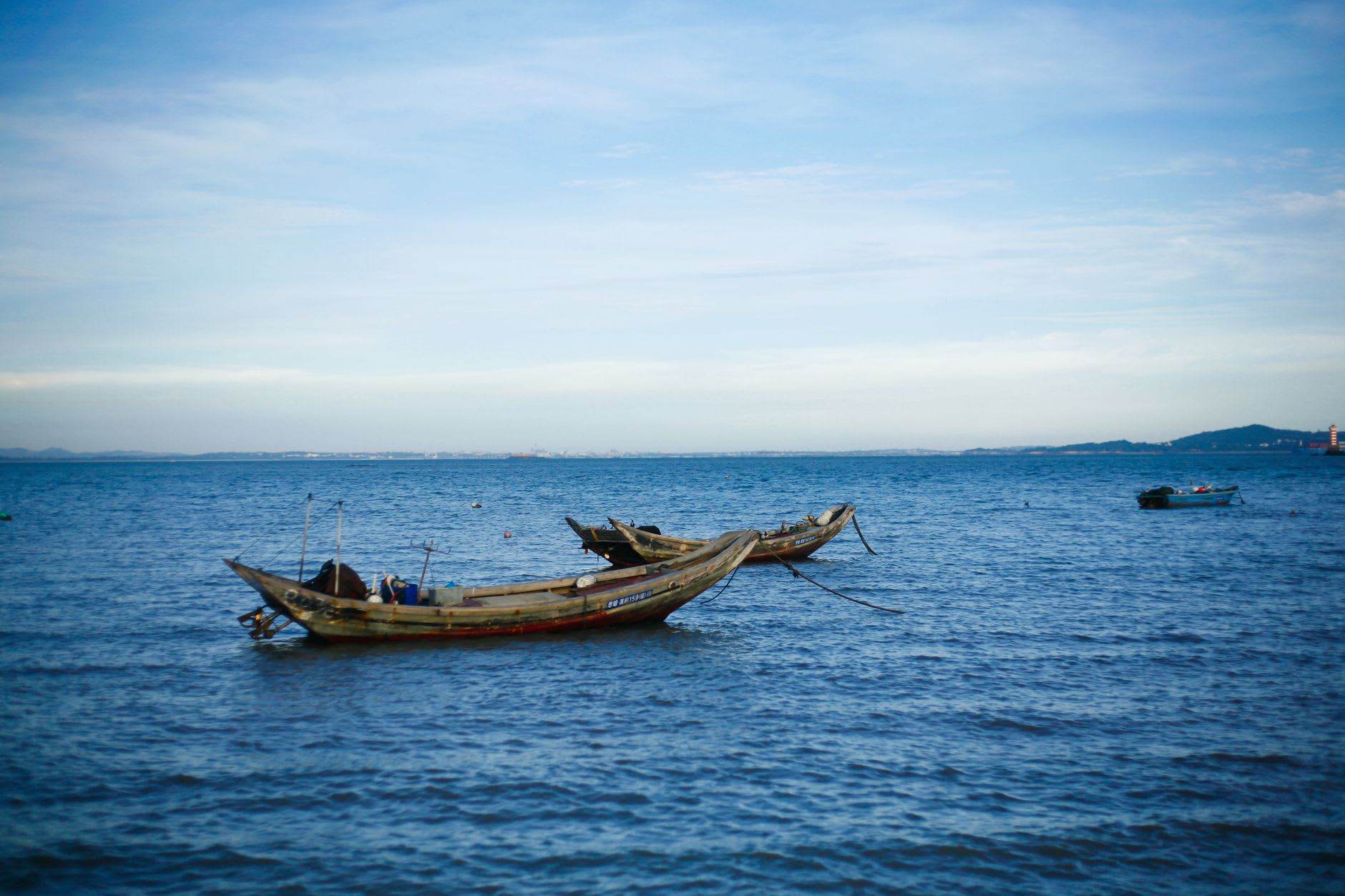
The seafood here is the reason locals come to Dongshan for weekend trips from Zhangzhou and Xiamen, and the reason is not complicated: the fishing boats go out into the strait and come back with things that were swimming that morning, and the restaurants on the waterfront cook them in ways that don’t require ornament. Oysters steamed directly in their shell with a splash of soy. Fish soup — a broth made from bones and heads that has the concentrated sweetness of something that spent its life in deep salt water. A local specialty I was pointed to by the guesthouse owner: horseshoe crabs, eaten very specifically here in a preparation I have not encountered anywhere else and whose precise method I have failed to replicate in any kitchen since.
When to go: October through April, avoiding the typhoon season (July to September) when swells can close the causeway and the island’s weather turns severe. March and April bring pleasant temperatures and the spring fishing season. December and January are cool and quiet, which is not a flaw.