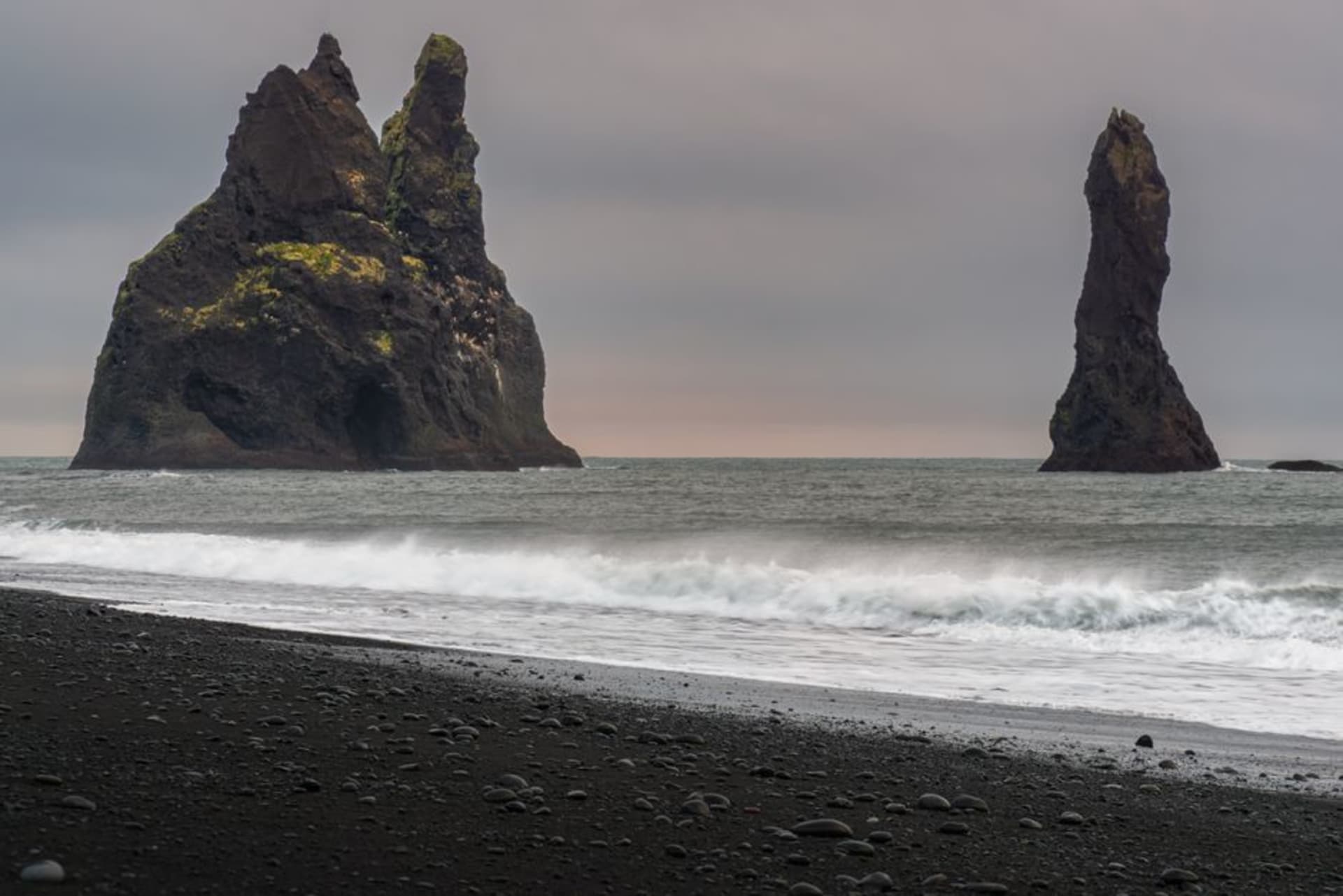
Ua Pou
"The peaks looked photoshopped from the boat. They were not photoshopped. They were just being Ua Pou."
A Marquesan island whose basalt spires pierce the clouds so consistently that sailors called it 'the cathedral,' and whose villages still carve stone the way their ancestors did.
Ua Pou announces itself before you’ve even landed — twelve volcanic pinnacles, sheer basalt columns left behind after softer rock eroded away around them over a couple million years, poking through the cloud cover in a way that looks deliberately dramatic. The name apparently translates to “the pillars,” which is about as literal a place name as I’ve encountered anywhere, and the island doesn’t undersell the description once.
I flew in from Nuku Hiva, a fifteen-minute hop that felt more consequential than the time suggested, and landed at an airstrip carved into a narrow coastal shelf with the peaks looming directly behind it. Hakahau, the main village, sits on the north coast around a small harbor, and it has the unhurried, slightly formal feel of a place where everyone knows everyone and visitors are a mild curiosity rather than an economy. I stayed with a family who ran a handful of guest rooms above their house, and the mother cooked me a dinner of raw fish in coconut milk with breadfruit that I’d rank among the best meals of the whole trip, no qualifications needed.
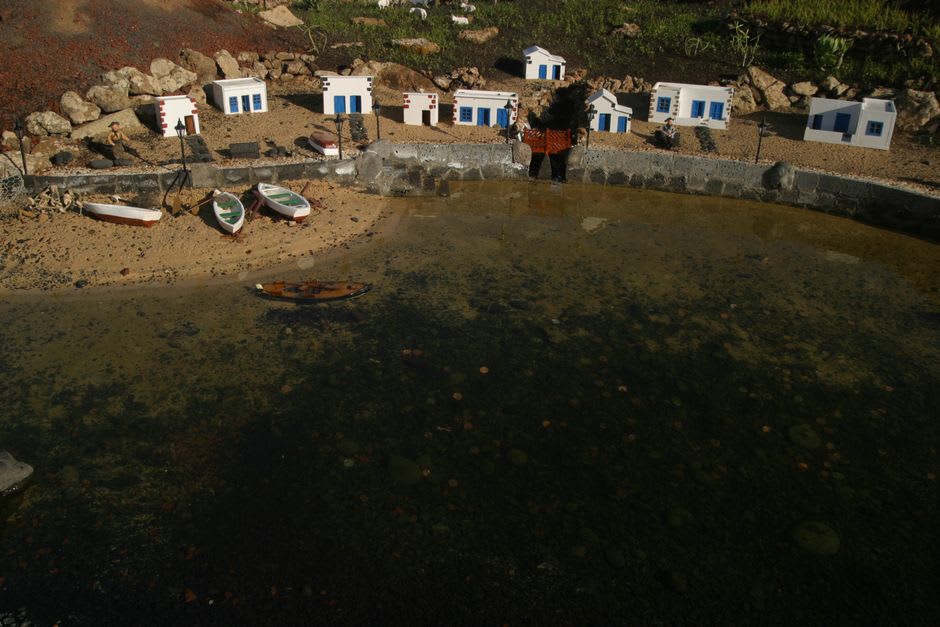
Ua Pou is known within the Marquesas for its flowered phonolite stone, a green-black volcanic rock with a distinctive speckled pattern, and the island has a small but genuine tradition of stone carving passed down through families rather than taught in workshops for tourists. I visited a carver in the village of Hakahetau who worked the stone with hand tools in a covered yard next to his house, producing tikis and pendants that end up, eventually, in galleries in Tahiti and Paris, though he seemed entirely unbothered by that distant economy and more interested in whether I wanted coffee.

The hiking here is serious rather than scenic-stroll, and I only made it partway up the trail toward the base of Poumaka, one of the tallest spires, before the path turned into something closer to scrambling that I wasn’t equipped for that day. Even the partial ascent delivered views back down over Hakahau’s bay and across to the neighboring valleys that made the aborted summit attempt feel entirely worthwhile.
When to go: May to October, the dry season, offers the clearest skies for actually seeing the famous peaks — cloud cover is common and can obscure them for days at a time even in good weather. Flights from Nuku Hiva run a few times a week, so build flexibility into any itinerary.