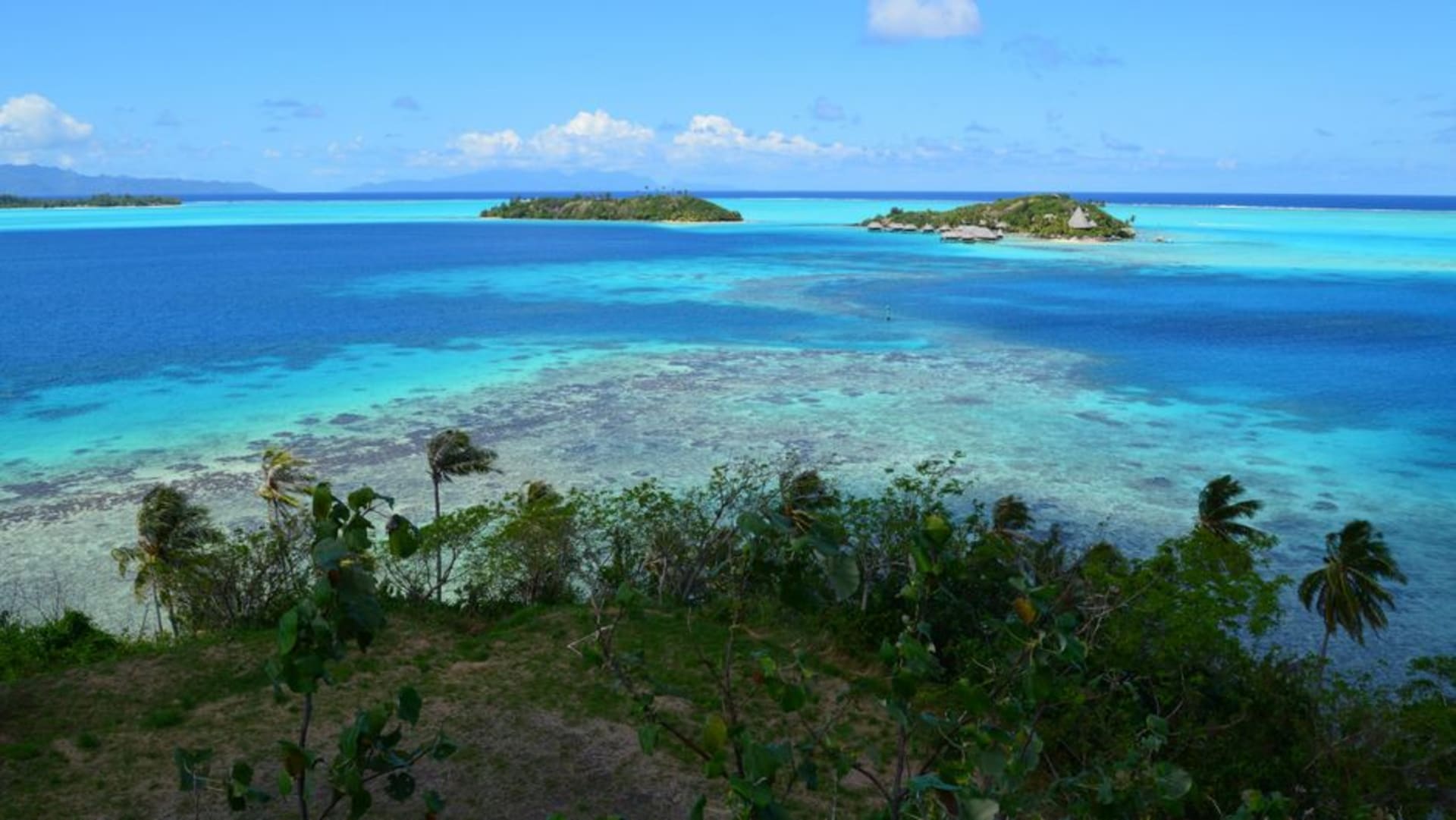
Tubuai
"Nobody comes here for the lagoon, which is exactly why I liked the lagoon."
The Austral island where Bounty mutineers tried and failed to build a fort, now a quiet farming outpost with a lagoon few divers ever bother to visit.
Tubuai gets a footnote in most history books that mention it at all: this is where Fletcher Christian and the Bounty mutineers tried to settle in 1789, building a crude fort they called Fort George before the local population, understandably unenthusiastic about armed strangers claiming land, drove them off within a few months. Christian and his crew eventually moved on to Pitcairn, and Tubuai went back to being what it had always been — a quiet, fertile island mostly left alone by history since.
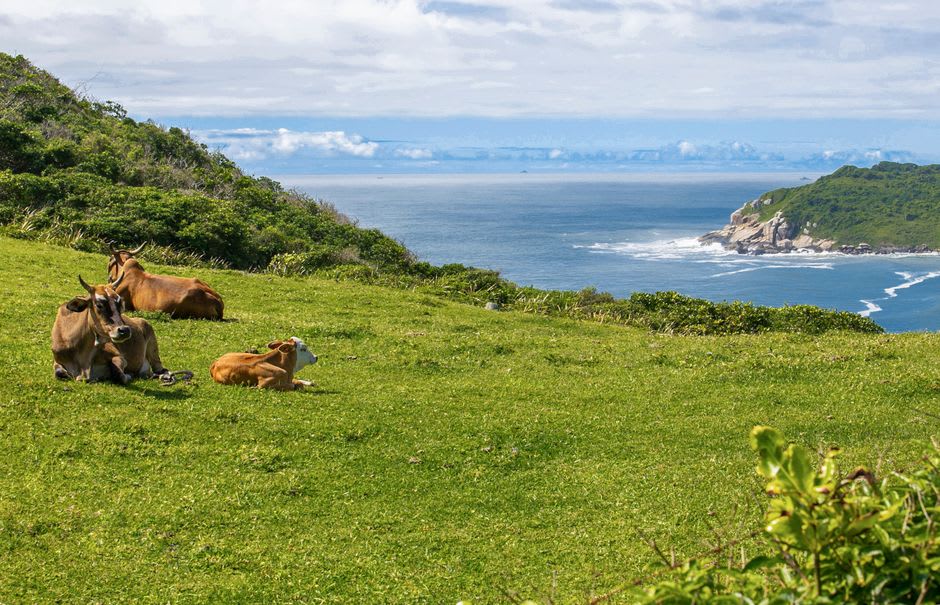
That fertility is the first thing you notice on the ground. Tubuai is the agricultural heart of the Australs, and the interior is a patchwork of taro patches, cattle pasture, and coffee plantings that feel more like rural Auvergne than the postcard idea of French Polynesia. I rented a bicycle in Mataura, the main village, and rode the coastal road past dairy cows grazing within sight of a lagoon that most guidebooks don’t even bother describing, which felt like an oversight on their part rather than an accurate reflection of the place.
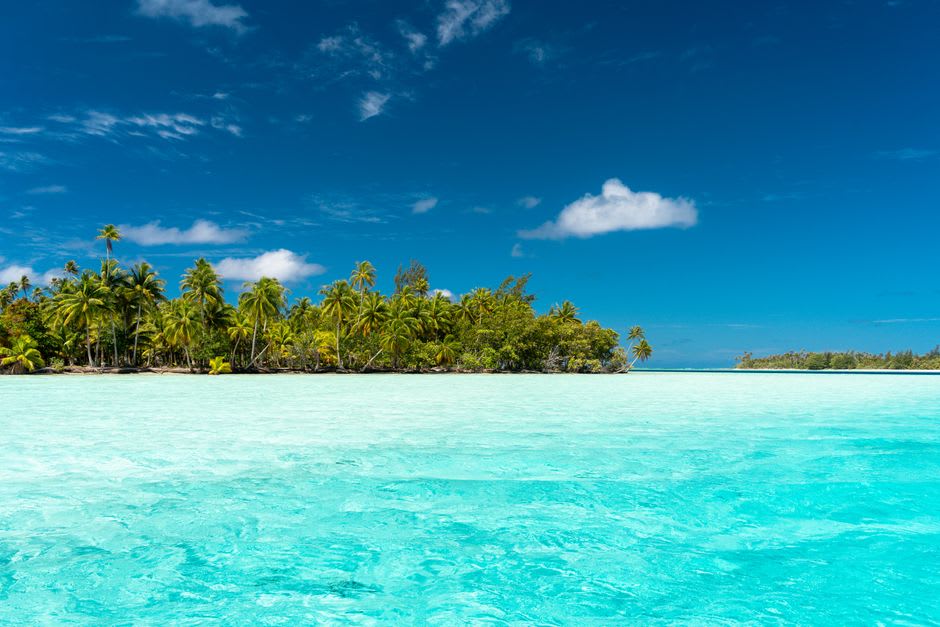
The lagoon itself, once I got a local fisherman to take me out in his boat, turned out to be genuinely excellent — a wide barrier reef enclosing water that stays shallow and warm, dotted with small motu islets where we stopped to eat the fish he’d caught along the way, grilled over a fire he built in about four minutes with driftwood and a machete. He told me divers occasionally come for the passes but that most of French Polynesia’s dive tourism simply never found Tubuai on the map, and he seemed entirely at peace with that.
I found the remains of Fort George more by accident than design, a low grassy rise near the coast with barely any visible structure left — a few stones, an interpretive sign installed decades after the fact, and cows grazing indifferently around it. It’s a strange feeling standing on a site that changed the course of a very famous mutiny and finding it completely unmarked by drama, just grass and cattle and the same quiet that seems to define the whole island.
When to go: The dry season from May to October brings the mildest temperatures for cycling and farm visits. Flights from Tahiti run a few times weekly; this is not a place to arrive without a confirmed onward booking, given how thin the schedule runs.