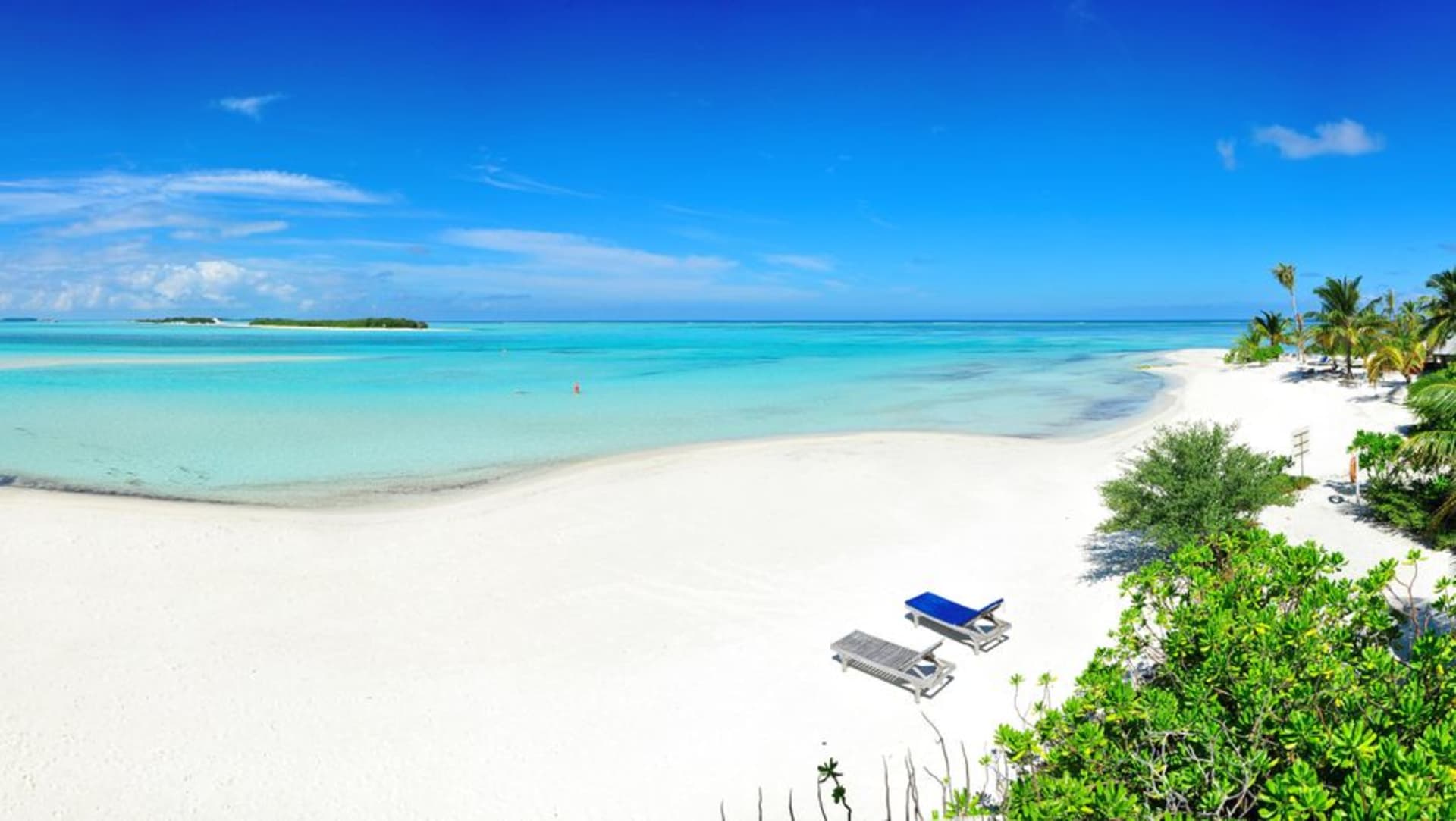
Tikehau
"I kept crouching down to check if the sand was really pink or if I was imagining it. It was really pink."
An atoll where the sand is genuinely pink, the lagoon is thick with fish nobody bothers to name, and the pace of life makes Rangiroa next door feel almost hurried.
Tikehau sits about twenty minutes by plane from Rangiroa, which makes it an easy add-on for anyone already island-hopping the Tuamotus, and yet almost nobody adds it on. That’s their loss and slightly my gain, because I landed on an airstrip with maybe six other passengers and found a lagoon so full of fish that the water near the pier looked like it was simmering. Blacktip reef sharks patrol the shallows in broad daylight, unbothered by waders, and the pension owner told me this was normal, not a special occasion for my benefit.
The pink sand is the thing everyone mentions and it undersells itself in every photo I’d seen beforehand. It comes from crushed red coral and shell fragments mixed into the white, and depending on the light and the tide it ranges from a barely-there blush to something closer to salmon. I walked the main beach near the village of Tuherahera at sunset, when the color deepened considerably, and spent a stupid amount of time taking photos of my own feet just to prove to myself later that I hadn’t invented it.
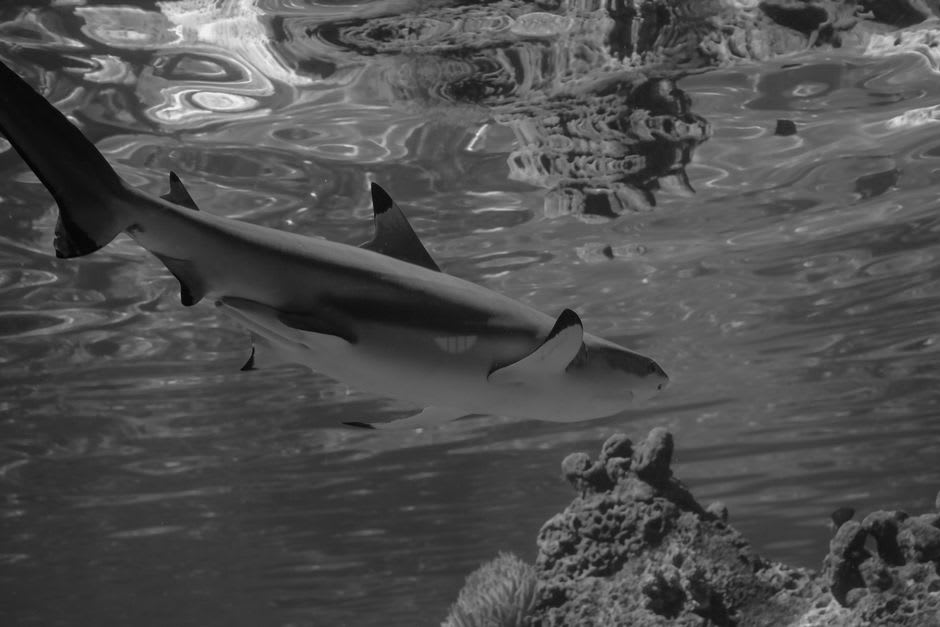
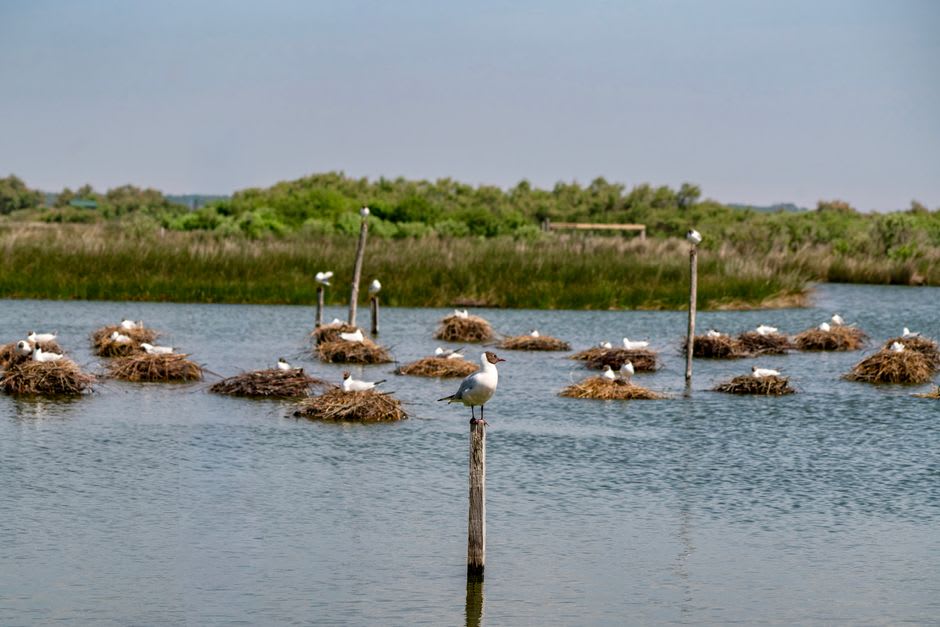
The lagoon itself is famously rich — locals call it the “aquarium of the Pacific,” and having snorkeled it I won’t argue. I went out with a small boat to the Île aux Oiseaux, a bird sanctuary islet on the northern rim of the lagoon where red-footed boobies and frigatebirds nest in the low brush, and the boatman cut the engine a hundred meters out so we could drift in on the current without spooking them. Getting there also meant passing over coral gardens dense enough that the captain slowed down twice just so I could look over the side.
Pearl farming is Tikehau’s quiet economic backbone, same as most of the Tuamotus, and one farmer let me watch him graft a nucleus into an oyster with a steadiness of hand I couldn’t have managed after three coffees. He talked me through the whole process without once trying to upsell me a pearl, which after Tahiti’s more polished pearl boutiques felt refreshingly unhurried — like everything else here.
When to go: May through October is dry season with the calmest lagoon conditions and best visibility for snorkeling and diving. Humpback whales occasionally pass through the outer waters between July and October. The wet season (November to April) brings heat and occasional squalls but far fewer visitors and lower prices.