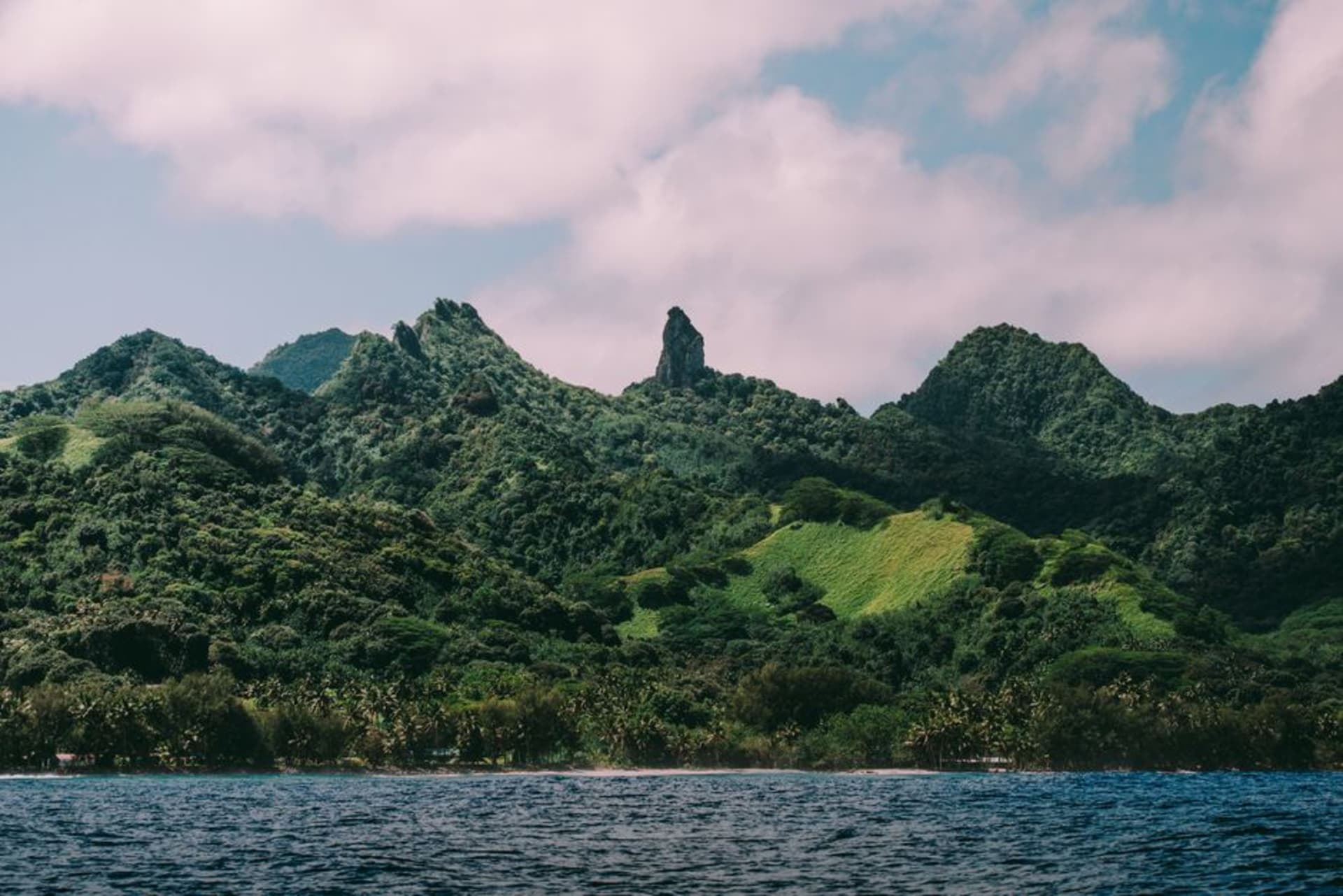
Rurutu
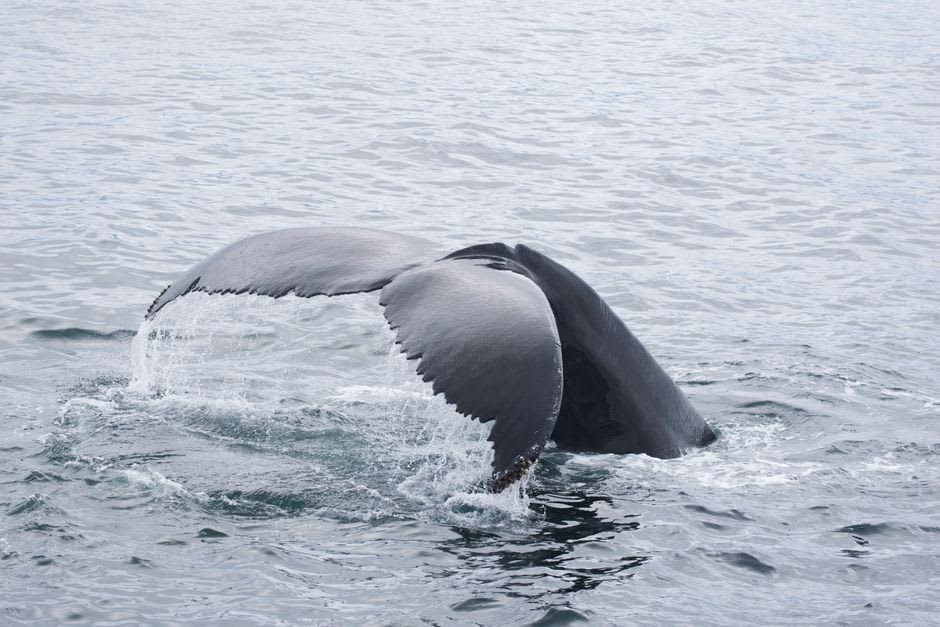
"The whale surfaced maybe twenty meters off the boat and everyone went quiet at the same instant, like we'd rehearsed it."
An Austral island where humpback whales come so close to shore in winter that boat guides cut their engines and just drift, and where limestone caves hide sacred bones.
Rurutu sits in the Austral Islands, the southernmost and coolest archipelago of French Polynesia, far enough south that the water temperature and even the vegetation shift noticeably from the tropical islands further north. It’s a two-hour flight from Tahiti and one of the more accessible Australs, though “accessible” here still means a few flights a week and a population under two thousand spread across a handful of villages.
I came specifically for the whales. Humpbacks migrate from Antarctic waters to breed and calve in the warmer seas around the Australs between roughly July and October, and Rurutu is known as one of the best places in the archipelago to see them from a small boat without a wetsuit or a long open-ocean crossing — they come genuinely close to the fringing reef here. My guide, Teiki, cut the outboard the moment we spotted a blow and let the boat drift, and a mother and calf surfaced within twenty meters of us twice over the following hour, close enough to hear the exhale before I saw the spray.
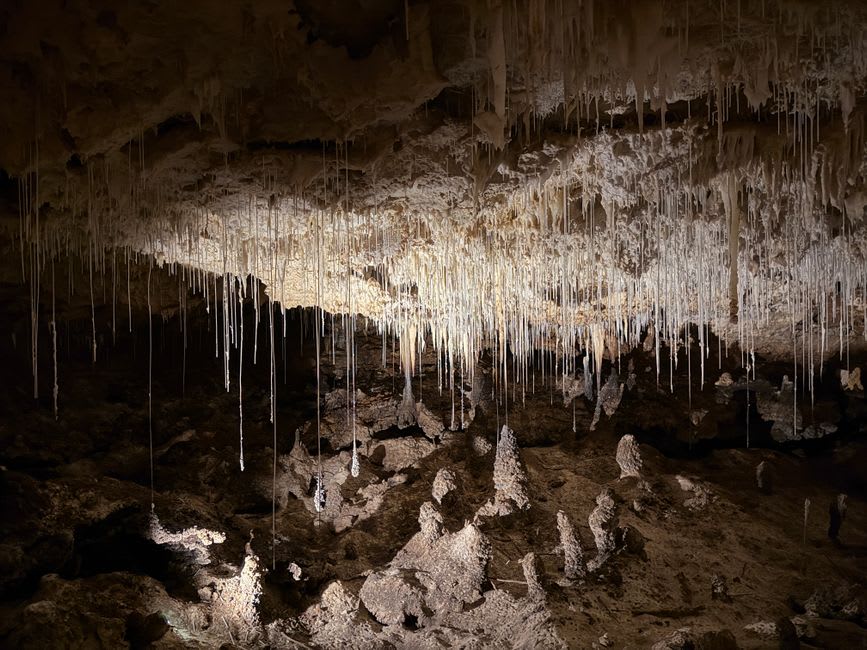
Rurutu’s geology sets it apart from the volcanic islands further north — it’s a raised limestone island, meaning ancient coral reef that was thrust upward by tectonic movement rather than a sinking volcanic peak, and the result is a landscape of caves and jagged karst formations rather than the classic lagoon-and-peak profile. I explored the Grotte Mitterirere on the island’s east coast with a local guide, descending through a narrow limestone opening into a chamber where ancestral bones had once been placed, and the guide’s tone shifted noticeably from tour-patter to something quieter as we got deeper in.
The village life felt markedly different from what I’d seen in the Society Islands — more subdued, more agricultural, with taro fields cut into terraces on the hillsides and women weaving pandanus hats that are considered among the finest in French Polynesia. I bought one in the village of Moerai from the weaver herself, who told me, without any particular pride, that it would take her about three days start to finish, which made the modest price feel almost unfair to her.
When to go: July through October is whale season and by far the best reason to visit — book flights and whale-watching guides well in advance, as capacity is limited. The rest of the year is quieter and cooler than the tropics further north, better suited to hiking and cave exploration than beach time.