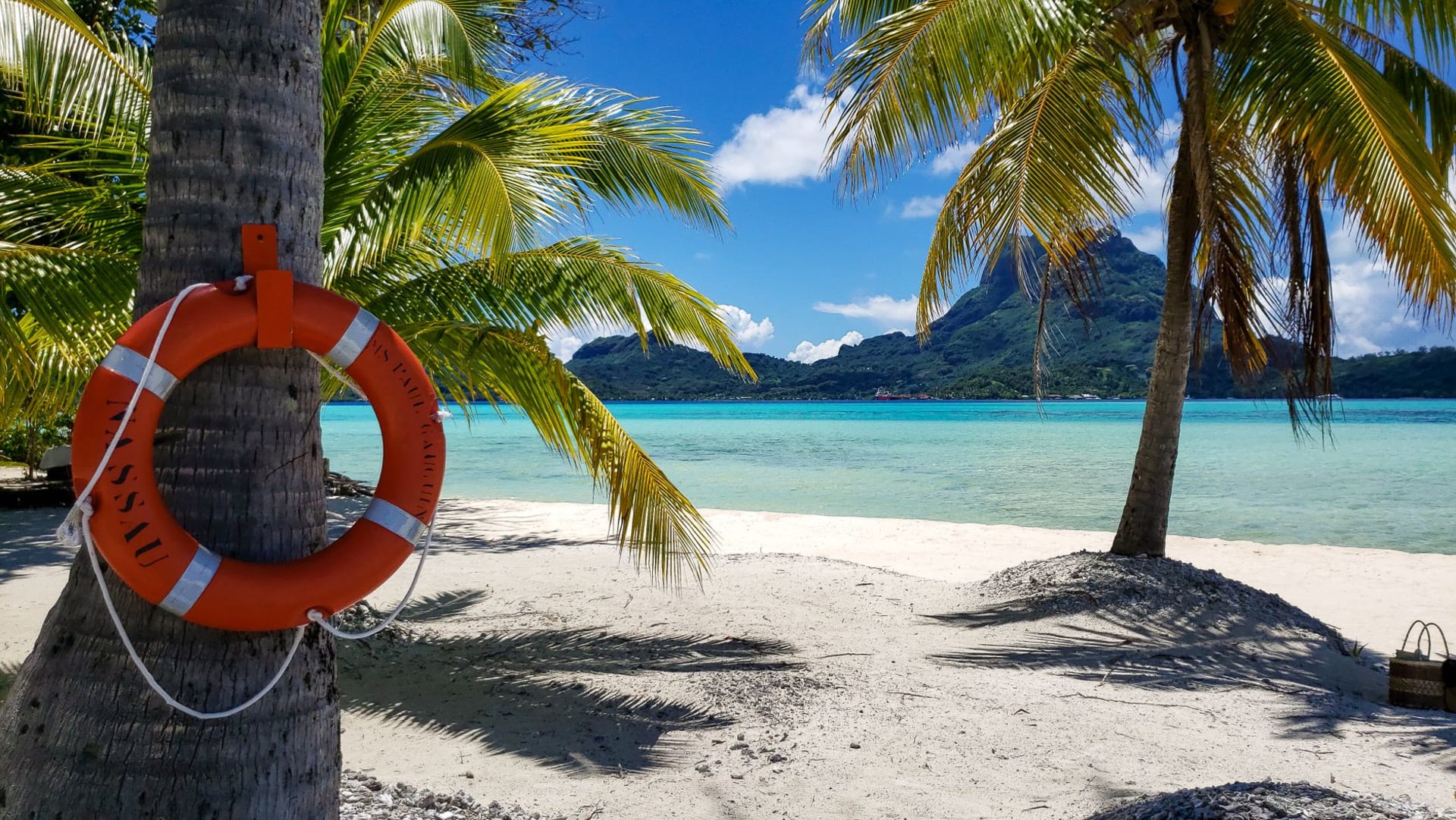
Maupiti
"The pass into Maupiti is one meter of clearance at high water. Nature arranged this deliberately, I think."
Getting to Maupiti is an act of mild commitment. The island sits sixty kilometers west of Bora Bora, connected to Tahiti by two Air Tahiti flights a week on days that feel arbitrary, and by a supply ship that navigates a pass in the barrier reef so narrow that it can only enter during the brief windows of slack tide. Strong swells close the pass entirely, and when that happens, the island is simply cut off. I waited an extra day in Raiatea because of exactly this. By the time the boat finally squeezed through the Onoiau Pass with what seemed like centimeters to spare, I felt I had earned arrival in a way that you simply don’t when you land by plane on a tarmac.
The island holds about fourteen hundred people in three villages on the main island and the surrounding motu. There are no resorts in any sense that the word usually implies — no overwater bungalows, no swim-up bars, no animators in polo shirts. There are family pensions, most of them small, where the owners cook you dinner on a schedule and the other guests are usually either French couples who know what they’re after or divers who have done Rangiroa and heard about the manta rays here. The manta rays at Maupiti are a specific phenomenon: they come to a shallow sand flat inside the lagoon in the early mornings to be cleaned by smaller fish, and because this is not commercially organized the same way it is elsewhere, you simply swim out and they are there. No briefing. No guide. Just you and the rays in the pale light.
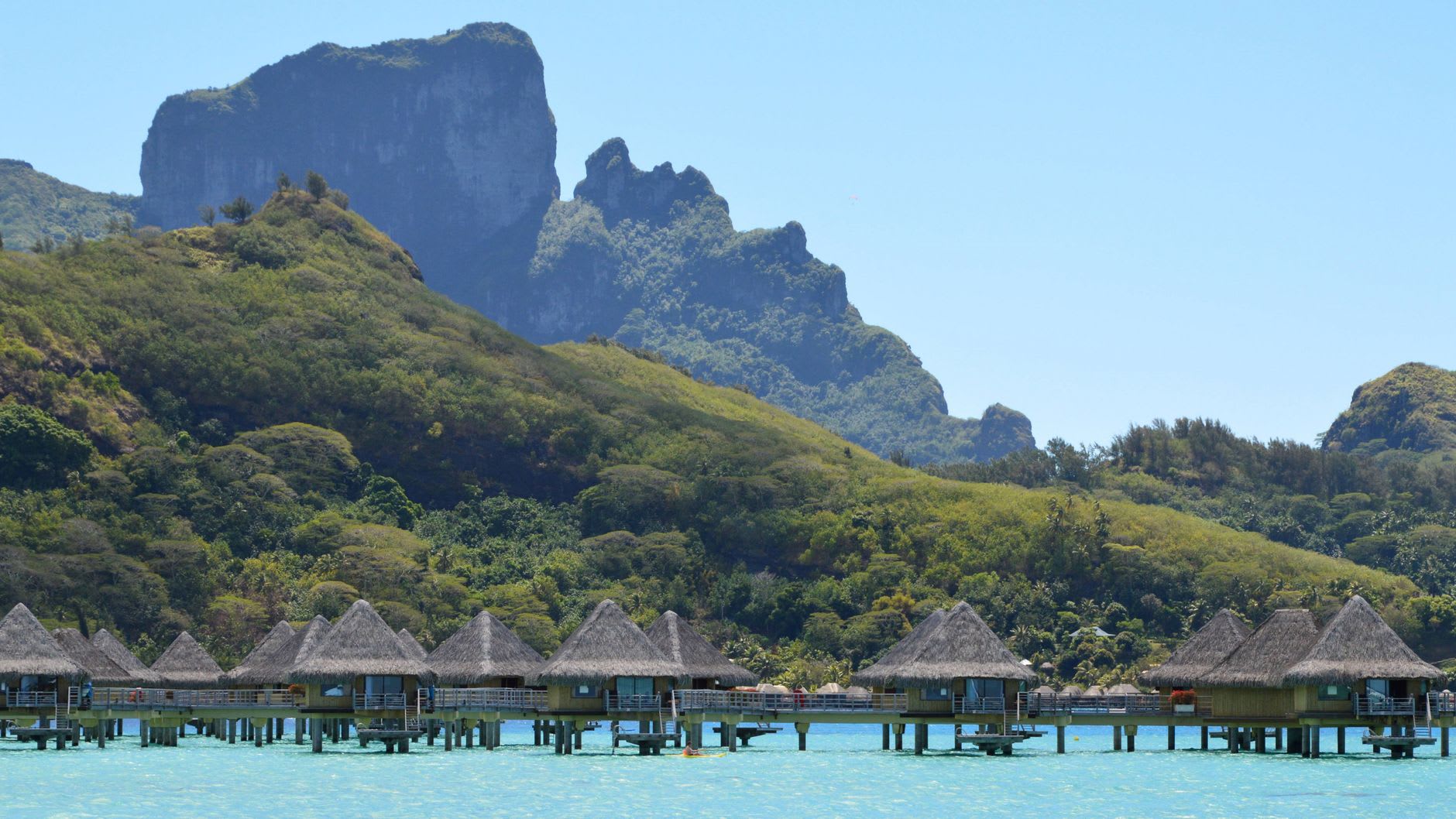
The central volcanic peak — Mount Teurafaatiu — is the highest point in the Society Islands after Moorea, and the hike to the summit is two hours of serious climbing through dry scrub and loose basalt that ends on a ridge with a three-hundred-sixty-degree view that is entirely unreasonable in its generosity. Bora Bora visible to the east. The Maupiti lagoon below in every shade from white sand shallows to the deep blue of the channel. The open Pacific in every other direction. The wind at the top was strong enough to lean into. I sat there for forty minutes and ate a mango I’d brought from the pension and said nothing to anyone because there was no one else there.
The motu off the main island — a string of coral sand strips enclosing the lagoon — are accessible by pirogue or kayak from the pensions. The largest motu, Motu Tiapaa on the southwestern barrier, holds a stretch of beach that I have not seen photographed anywhere and that should by rights be in every French Polynesia magazine that has ever existed. White sand, palm trees growing at the angle they grow when no one has straightened them, the lagoon on one side and the ocean on the other, and at low tide a sandbar extending into the water that lets you walk fifty meters into the turquoise without reaching your knees. I was there on a Thursday afternoon in September. There were four other people on the whole beach.

The pension dinner that night was tuna with vanilla sauce — a combination that sounds improbable but is entirely Polynesian and entirely correct — followed by poisson cru and then sliced pamplemousse. The pension owner, a woman named Vetea, had grown the vanilla herself and the tuna had come from the morning’s fishing. She sat with us after dinner and talked about the pass, about how the island had actively resisted the construction of a larger landing strip that would have brought more tourist traffic, about how the supply boat sometimes doesn’t come for three days when the swell is high. She said this without complaint. The inconvenience, I understood, was the point.
When to go: May through October for the best weather and most reliable manta ray sightings. August and September see slightly more visitors than other months but “more visitors” at Maupiti is a relative concept. The Onoiau Pass can be closed by swell at any time of year, especially November through March, so build flexibility into any itinerary that includes this island. Book your pension well ahead — there are very few beds.