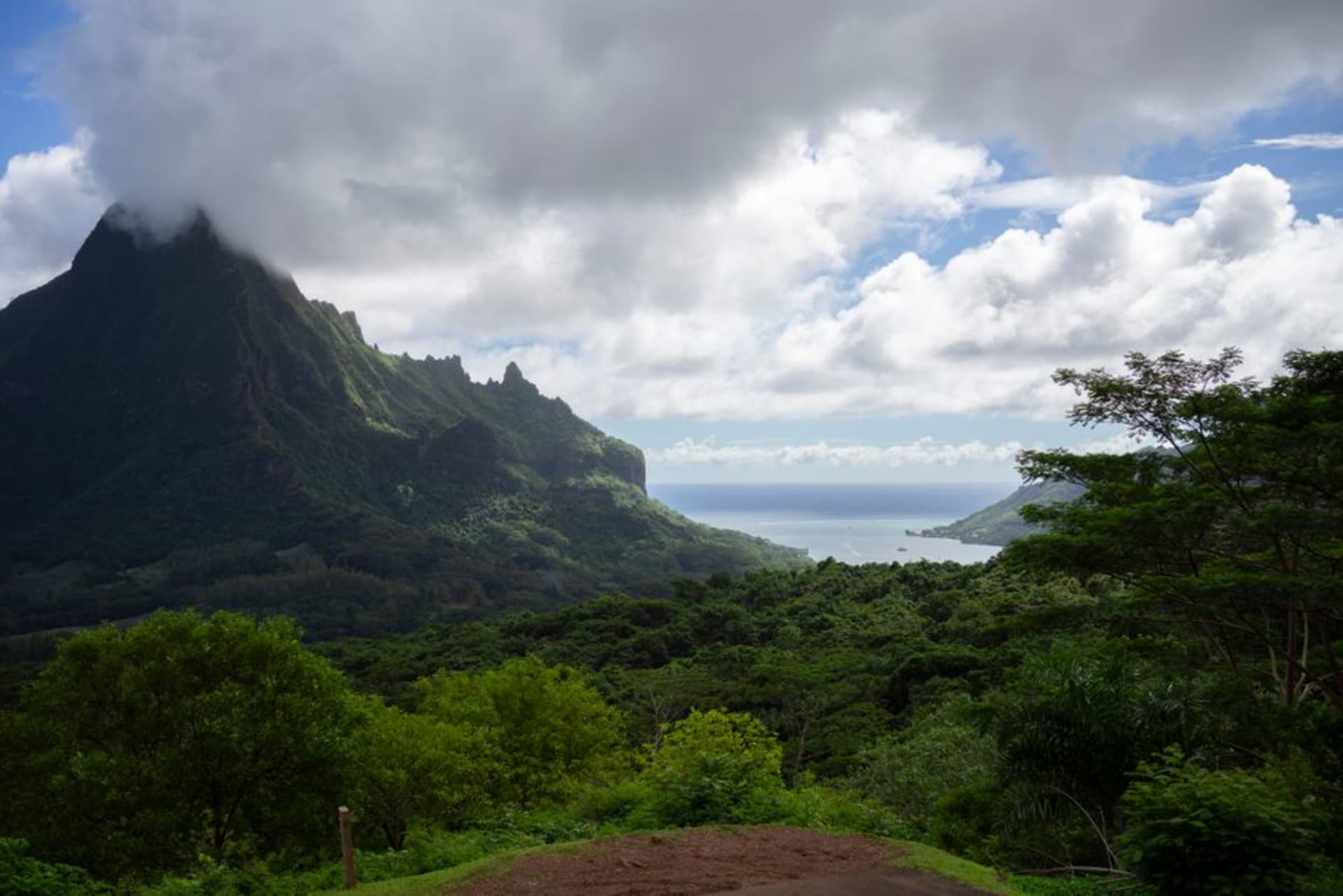
Maiao
"There's no pass into the lagoon. The ocean just stops at the reef, and the island keeps its own private pool."
A tiny Society Island barely anyone visits, ringed by a lagoon closed to any real boat traffic, where the mountain forest reaches almost to the sand.
Maiao is the island most guidebooks about French Polynesia don’t mention at all, which is part of why I went. It sits about a hundred kilometers west of Moorea, in the Society Islands but somehow entirely off the circuit that runs through Bora Bora and Huahine, and the reason is structural: Maiao’s lagoon has no navigable pass through the reef, so there’s no real boat access. You get there by small plane on an airstrip built in the 1970s, or you don’t get there.
The island itself is small enough to walk around in an afternoon and mountainous enough that the interior forest — thick with mape (Tahitian chestnut) trees and wild hibiscus — comes right down to meet the narrow coastal strip in most places. There’s one village, home to a population that hovers somewhere around three hundred, mostly involved in subsistence fishing and small-scale copra production, and I was told plainly on arrival that there was no formal guesthouse, only a family willing to host me for a few nights in a spare room, which is precisely what happened.
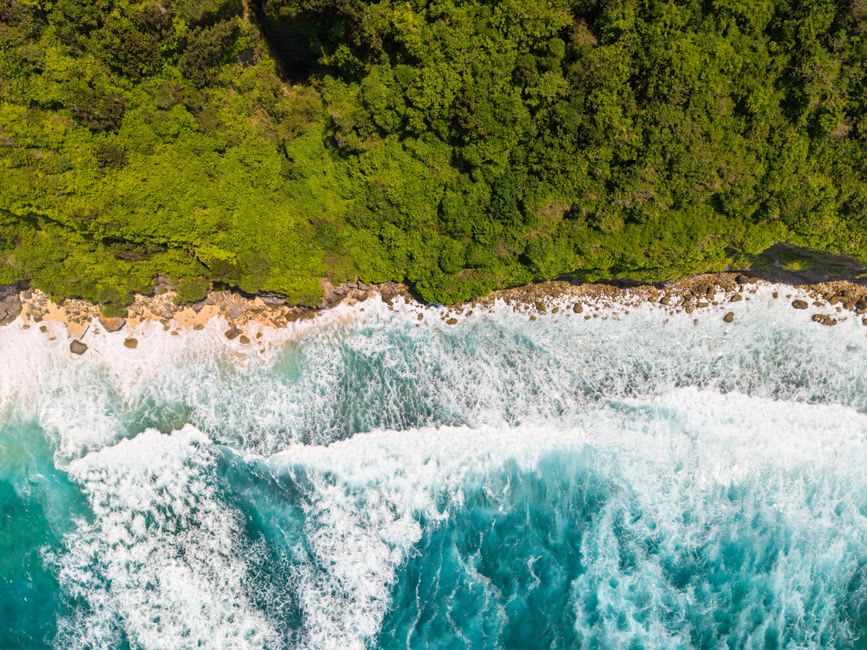
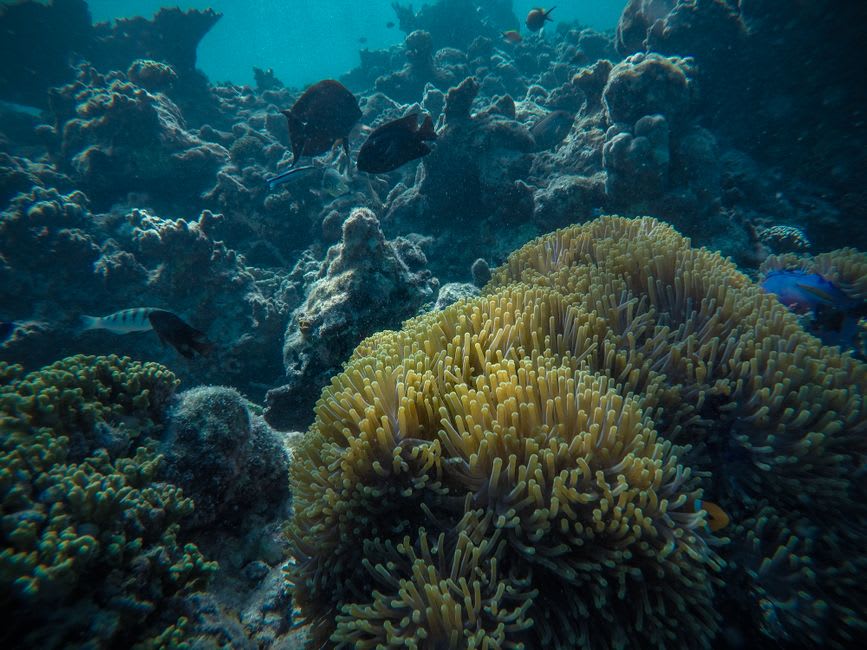
Because the lagoon has no pass, it behaves almost like an enclosed lake — flat, shallow, and warm in a way the open lagoons of Bora Bora or Moorea never quite manage, since there’s no tidal exchange pushing cooler ocean water through. I swam most mornings just off the village, in water barely chest-deep for a hundred meters out, watching small reef fish that seemed entirely undisturbed by human presence, which tracked given how few humans they’d have encountered.
There’s genuinely very little to “do” on Maiao in the organized-activity sense, and that turned out to be the entire point. I spent an afternoon following a village kid who’d appointed himself my guide, up a rough trail into the mape forest to a lookout over the lagoon, and another simply sitting on the porch of the family’s house while the mother wove a mat and told me, patiently, that most people who make it out here don’t come back a second time — not because they didn’t like it, but because getting here once takes something out of you that’s hard to spend twice.
When to go: May to October offers the calmest, driest conditions for the small aircraft that services the island — flights are infrequent and weather-dependent, so confirm status before traveling and expect delays as a real possibility rather than an exception.