
Saint-Georges-de-l'Oyapock
"The Oyapock Bridge connects France to Brazil. What it actually joins is more complicated than that."
I crossed from Brazil by pirogue, not bridge, because the pirogue felt truer. The Oyapock Bridge — inaugurated in 2017 after years of delay, connecting Oiapoque on the Brazilian side to Saint-Georges on the French — is architecturally handsome and politically significant and in practice mostly used for trucks. The pirogues that have crossed this river for centuries operate from a beach upstream, and the boatman who took me across navigated the current with a body memory that made the bridge look ornamental. The crossing takes perhaps four minutes. When the bow scraped the beach on the French side, I was, technically, in Europe.
Saint-Georges-de-l’Oyapock is a small town — maybe four thousand people — that carries its borderland status lightly. There are French gendarmes and a sous-préfecture and the inevitable boulangerie, but the town orients itself toward the river with a practicality that predates the administrative structures around it. The Teko people — one of the indigenous Amerindian groups of the upper Oyapock — have lived in this territory for far longer than any colonial boundary has existed, and their presence in and around the town gives Saint-Georges a layering that the French administrative buildings alone would not suggest. Their language has nothing to do with French or Portuguese. Their knowledge of the river and the forest to the south is the only real map of what lies upstream.
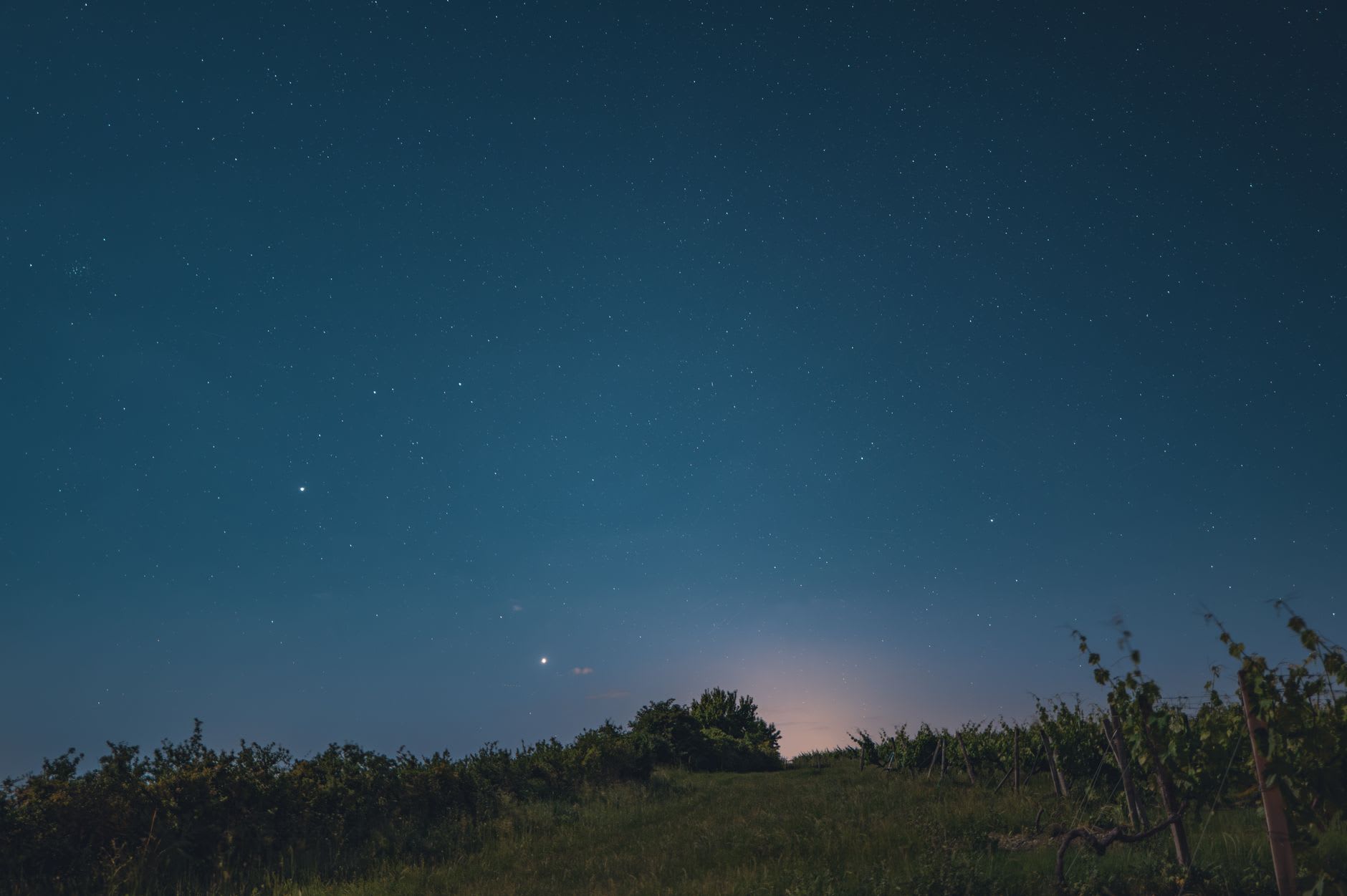
The town’s market is bilingual in a specific and practical way — French and Brazilian Portuguese, not for tourism but because both currencies circulate and half the vendors come from Oiapoque. I bought coffee from a Brazilian woman who told me she commutes by pirogue every morning. I bought cassava bread from a Teko woman who didn’t speak much of either language but communicated the price with two fingers and a look that suggested negotiation was not on offer. I ate grilled fish from a stall at the river’s edge watching the Oyapock slide past, wide and brown and carrying the runoff of everything upstream.
Going upriver is the reason to be here seriously. The Oyapock above Saint-Georges is the corridor into the Parc Amazonien de Guyane — no roads, villages only accessible by water, the forest increasingly intact as you go south. Day trips reach the Saut Maripa rapids, which the pirogues navigate with alarming confidence, and beyond them the forest closes in and the river narrows and you begin to feel the weight of what is behind you rather than what is ahead. I went upriver for one day with a Teko guide who spoke to the river constantly — not dramatically, just quietly, the way you speak to something you’ve grown up alongside — and we turned back at a bend where two macaws crossed the river from bank to bank, their color absurd against the grey water.
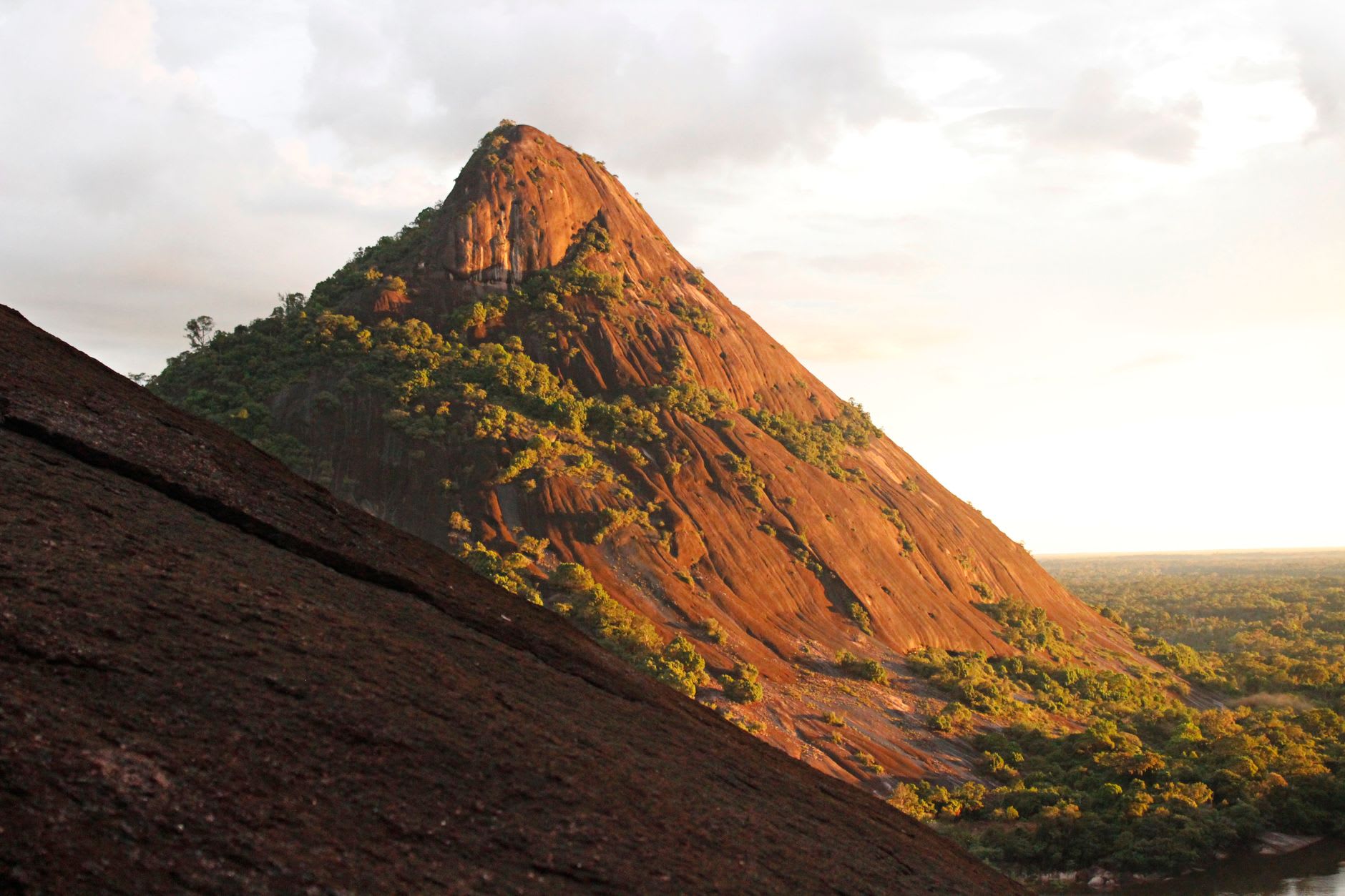
There is a quality to Saint-Georges that I associate with the ends of things — of roads that have given up, of maps that stop being confident. But it does not feel like an end in any defeated sense. The river keeps moving. The pirogues keep crossing. The Teko have been reading this stretch of water since before anyone drew a line across it. What feels like the edge of Europe is, from another angle, the center of something much older and more patient.
When to go: The dry season from July to November offers the best river conditions for upriver excursions toward the Parc Amazonien. Saint-Georges is reachable year-round by road from Cayenne (roughly 180km, surfaced most of the way), and the border crossing to Brazil operates daily. Organize upriver guides through the tourist office or through Teko community operators.