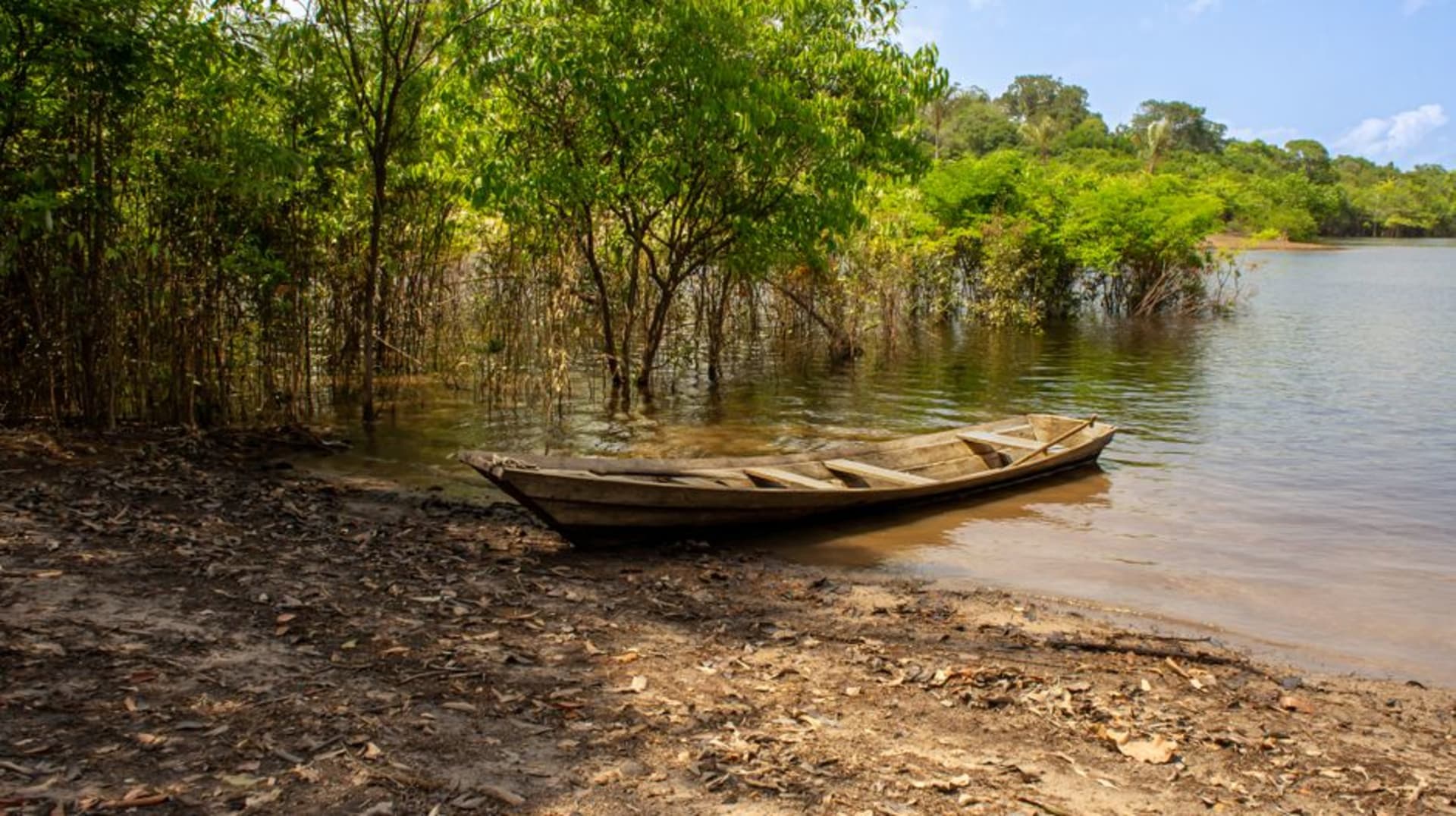
Approuague River
"Serge cut the engine mid-river and just let us drift for a while, saying you hear more that way, and he was right."
A slow brown river cutting through unbroken rainforest toward the Guiana Amazonian Park, best seen from a pirogue with the engine cut.

The Approuague isn’t a single destination so much as a route, and that’s exactly why I love it. It starts, for most travelers, at Regina, where the road ends and the river takes over, then winds deep into forest toward the edges of the Guiana Amazonian Park, one of the largest protected rainforest areas on the planet. Lia and I did a two-day stretch of it with a local pilot, sleeping one night in a hammock camp along the bank, and it remains one of the more disorienting, humbling trips we’ve taken in this country.
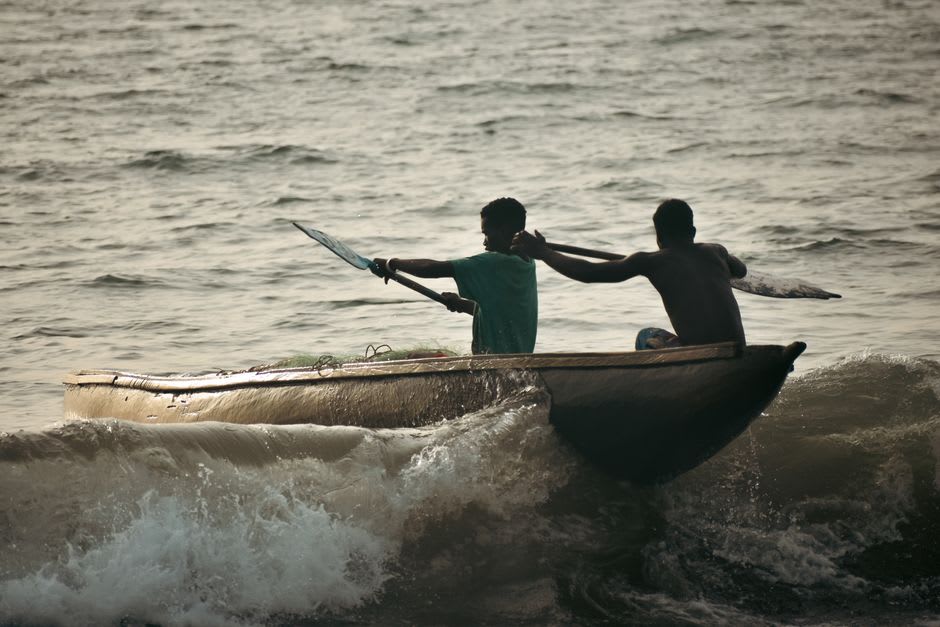
What surprised me most was the color of the water, a deep tea-brown from tannins leaching out of the forest floor, opaque enough that you have no idea what’s beneath the surface, which is unsettling when you remember caimans live here. Our pilot Serge seemed entirely unbothered, steering the pirogue around submerged logs from memory, occasionally cutting the engine so we could hear the forest properly, howler monkeys somewhere off in the canopy, the odd splash we never identified.
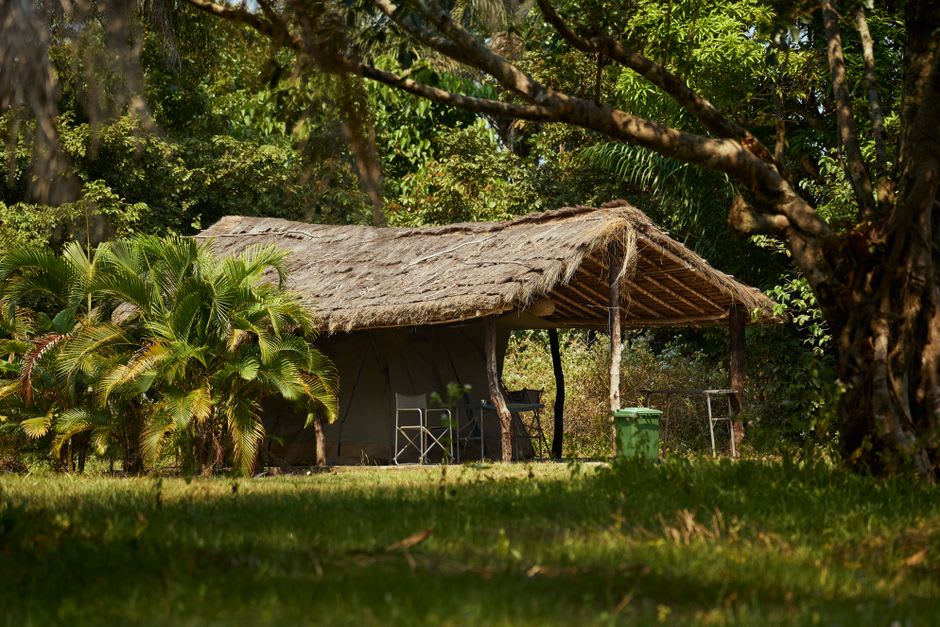
We camped that first night at a rustic carbet, an open-sided shelter with hammocks strung under a thatched roof, run by a small Amerindian family who fed us smoked fish and cassava bread cooked over an open fire. There’s no electricity out there, obviously, and once the generator for the single light bulb clicked off, the darkness was total in a way I hadn’t experienced since a trip years ago in the Sahara. The insect noise at night on the Approuague is genuinely deafening, a constant wall of sound that somehow becomes soothing after the first hour.
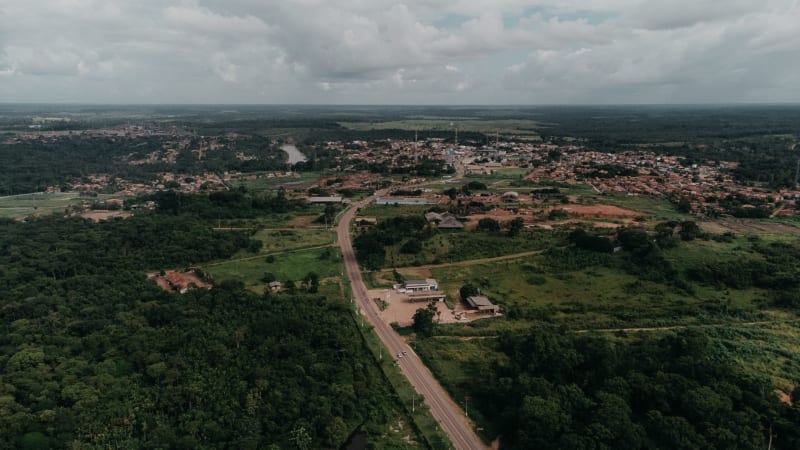
The second day we pushed further upriver toward the park boundary, past a small gold-mining outpost that Serge pointed out with visible distaste, muttering something about the mercury they use. It was a useful reminder that even a river this remote isn’t untouched, that French Guiana’s interior carries real tension between conservation and extraction. We turned back before reaching the deep interior villages, which require permits and much longer trips, but even our modest stretch of the Approuague left me thinking about it for weeks afterward.
When to go: Travel during the dry season from August to November, when water levels make navigation easier and safer; expect to arrange a pilot and permits in advance through Regina or Cayenne.
Keep exploring
More from French Guiana
 french-guiana
Awala-Yalimapo
A Kali'na Amerindian village where leatherback sea turtles the size of dining tables crawl ashore at midnight to nest on an Atlantic beach that barely seems real.
Explore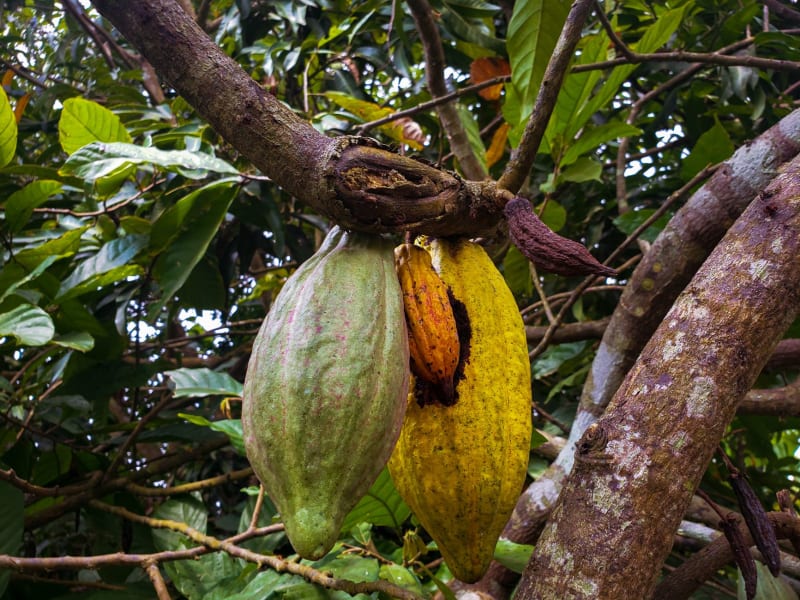 french-guiana
Cacao
A Hmong village in the Amazon that grows strawberries, sells Laotian embroidery on Sunday mornings, and quietly defies every expectation the jungle builds.
Explore french-guiana
Cayenne
A Creole capital where colonial ochre walls meet Amazon iguanas and the Saturday market smells like three continents at once.
Explore french-guiana
Îles du Salut
Three small islands where howler monkeys have colonized the ruins of France's most notorious penal colony and the turquoise water makes cruelty look impossibly beautiful.
Explore french-guiana
Kourou
Where rocket gantries rise out of primary jungle and a night launch turns the Amazonian sky orange for thirty seconds that reorder your sense of scale.
Explore french-guiana
Kaw Marshes
A vast flooded savannah east of Cayenne, a nature reserve of floating vegetation and black water where black caimans the length of a canoe surface in the beam of a torch at night.
Explore