
Salon-de-Provence
"Nostradamus is buried a few streets from a factory still boiling soap the same way it did in his lifetime, and somehow neither felt more remarkable than the other."
The town where Nostradamus wrote his prophecies and is now buried under a church floor, where soap has been boiled from olive oil for centuries, and where fighter jets scream overhead on training days from the airbase next door.
Salon-de-Provence is a town of odd juxtapositions that only reveal themselves once you’ve walked it for an hour. It’s where Nostradamus settled, practiced as an apothecary and astrologer, and wrote most of the prophecies that made him famous across Europe before his death in 1566 — he’s buried inside the Église Saint-Laurent, his tomb a modest slab that draws a steady trickle of visitors clearly expecting something more theatrical than a plain stone floor marker. A few streets away, olive-oil soap has been made in the same slow, traditional method — cooking oil, water, and soda ash in enormous copper cauldrons for days — since at least the 17th century, making Salon one of the true historic centers of what the world knows as savon de Marseille, regardless of which coastal city gets the naming credit.
A prophet’s town, walked at ground level
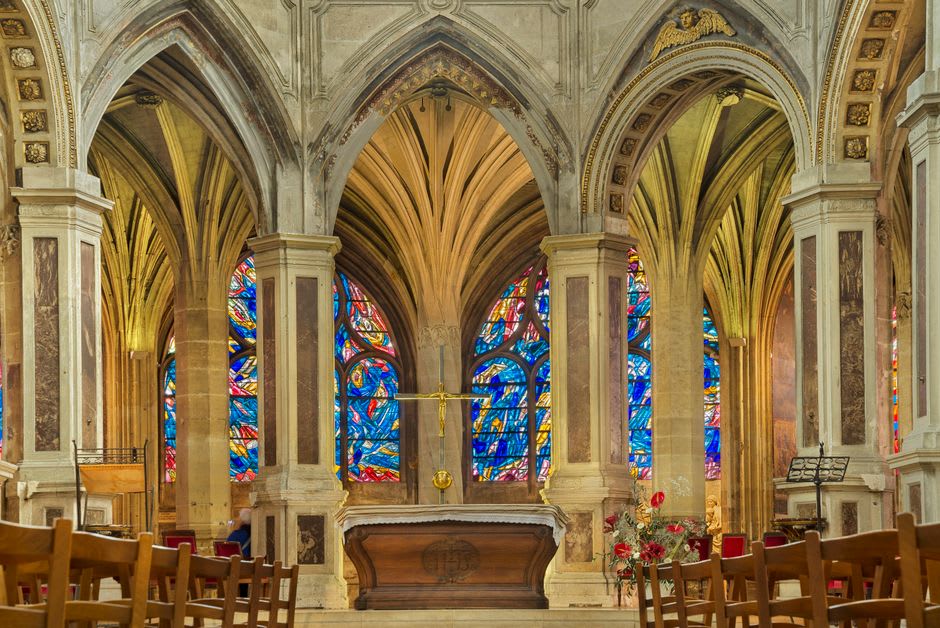
The old town climbs gently toward the Château de l’Empéri, a fortress with roots going back to the 10th century that now houses a serious military history museum, its rooms telling the story of the French army from Louis XIV through the First World War in more detail than most visitors expect from a provincial château. We wandered down from there past Nostradamus’s house, now a small museum recreating his study with waxwork tableaux that are more charming than convincing, and into the Église Saint-Laurent, where his tomb sits almost apologetically plain against the church’s Gothic stonework. It struck me that the town treats him less as a mystic curiosity and more as a former neighbor who happened to become extremely famous, which felt like the right register.
Soap cauldrons and the roar of jets overhead
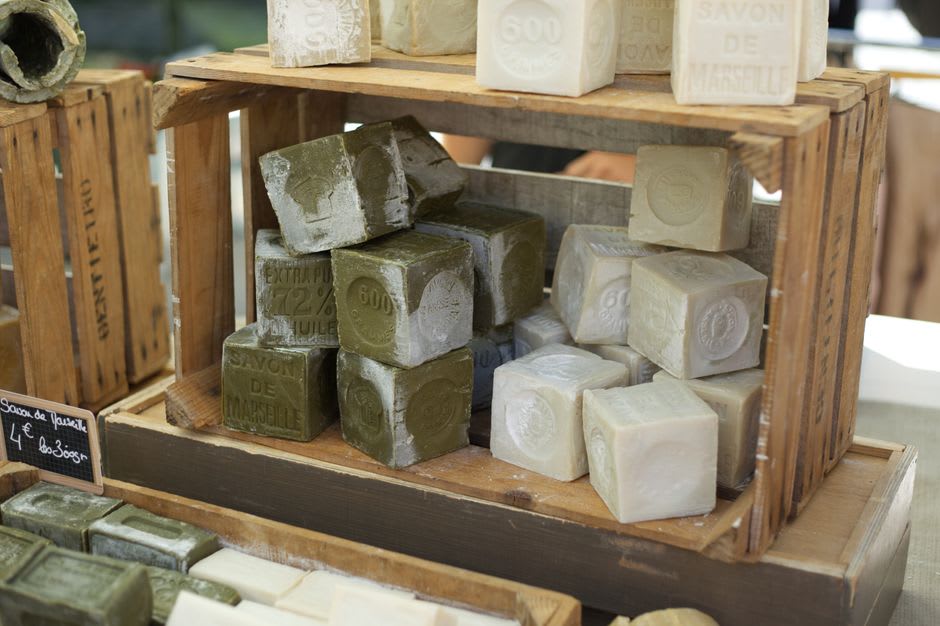
We toured one of the surviving traditional soap works, where enormous copper vats still cook down olive oil into the thick, green, unscented cubes that are the genuine article — nothing like the flowery tourist-shop versions stacked at every market stall from here to Aix. The smell is oddly pleasant, warm and faintly vegetal, and the process hasn’t changed much since well before Nostradamus’s time. What did interrupt the quiet, more than once, was the unmistakable roar of fighter jets overhead — Salon-de-Provence’s airbase is home to the Patrouille de France, the French air force’s official aerobatic display team, and on training days their formations cut low and fast over the town in a way that has nothing to do with soap or prophecy and startled us both every single time.
When to go: Spring through autumn for pleasant walking weather; check the Patrouille de France training calendar if you want a chance at seeing them practice over the town, an accidental bonus for anyone visiting on the right weekday.
Keep exploring
More of Provence