Ménerbes
"The whole village is basically a corridor with a view, and somehow that's more dramatic than a piazza would ever be."
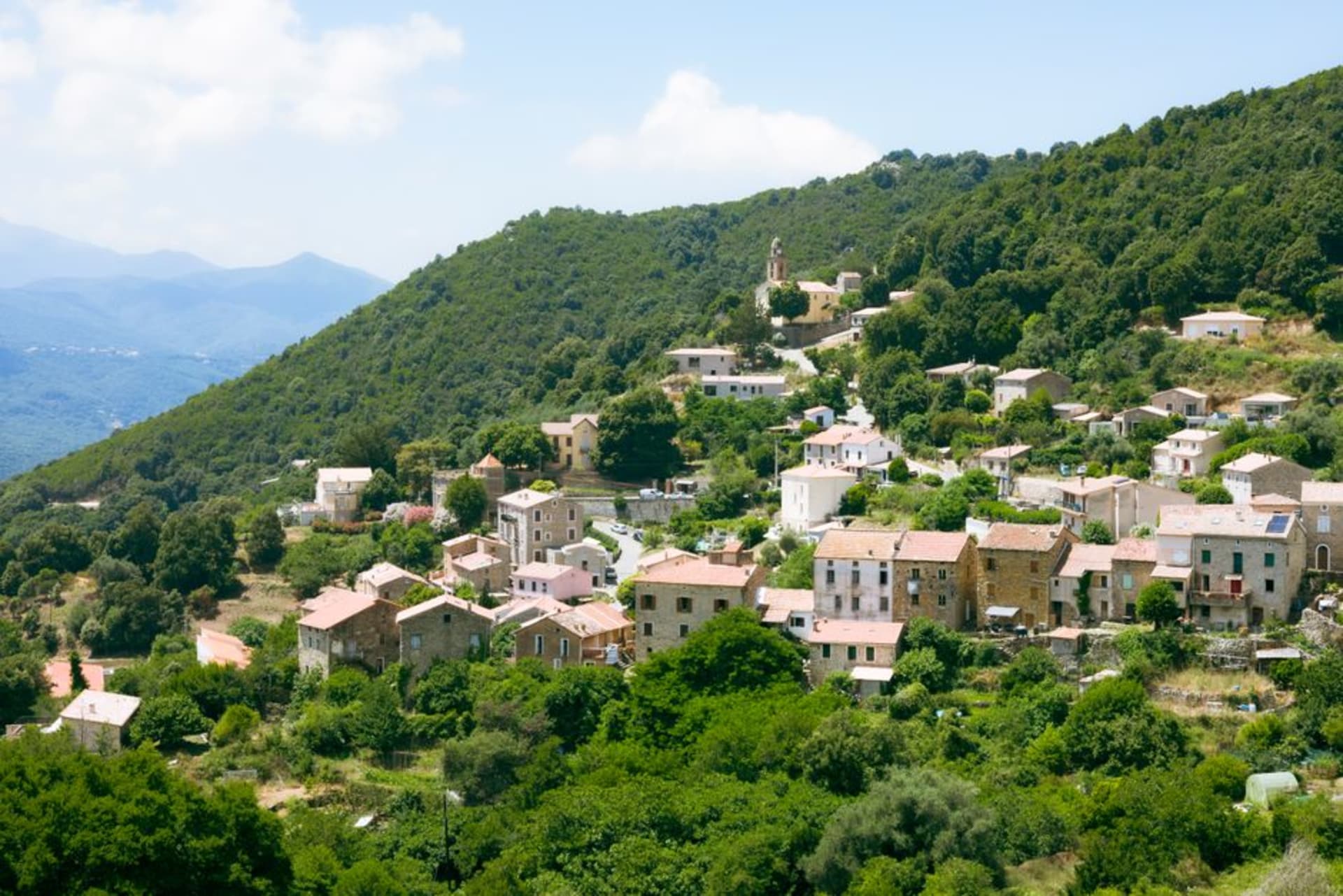
The Luberon village Peter Mayle made famous without ever naming it, perched on a ridge so narrow the ramparts have nowhere to go but straight down.
Ménerbes doesn’t spread out like most hill towns; it stretches. The village sits along a thin limestone ridge like a ship run aground, one street’s width in places, with the land dropping away in vineyards and cherry orchards on both sides at once. We’d read “A Year in Provence” before coming — half of Provence has, whether they admit it or not — and I’d expected the book’s shadow to make the place feel like a theme park. It doesn’t. Peter Mayle never actually named Ménerbes in the book, which the locals will tell you with a certain satisfaction, as if the village kept its own secret even while becoming the most famous unnamed place in Provence. His old farmhouse is a few kilometres outside town and privately owned, not a shrine, and everyone I asked seemed quietly relieved about that.
Walking the spine of the village
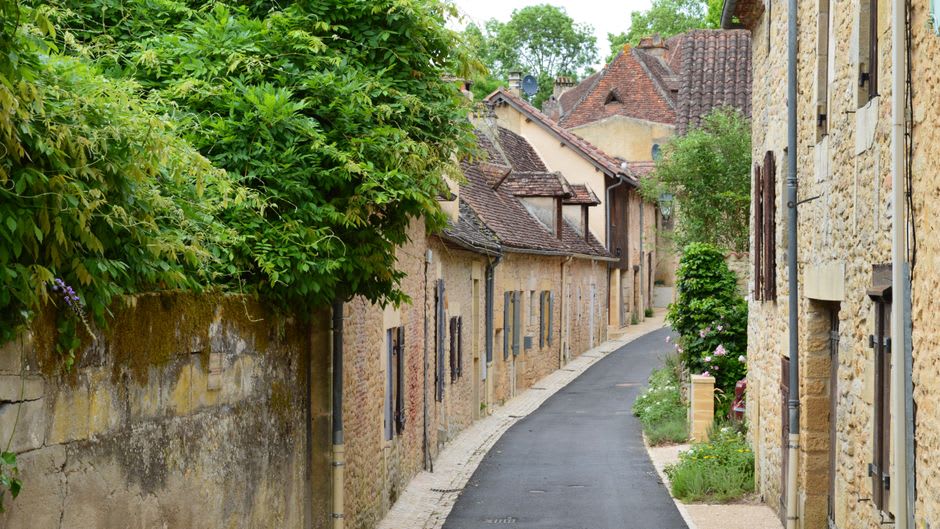
We parked below the ramparts and walked up into Ménerbes at the hour when the stone starts throwing its own heat back at you, and the first thing that gets you is how the village has almost no give — every house shares walls with its neighbors, every lane bends to follow the ridge, and there’s no square big enough to call a piazza until you reach the old collegiate church at the far tip, standing alone on its own spur like the prow of the ship. From the terrace by the church the Luberon opens up in both directions, vineyards on one side, the Coulon valley on the other, and you can see clear across to the ochre cliffs near Roussillon on a clear day. Lia kept stopping to photograph doorways — Ménerbes has an absurd density of good ones, carved lintels and iron bell-pulls that nobody’s bothered to modernize.
Wine, truffles, and a very small museum
The Luberon around Ménerbes makes serious wine, mostly rosé and increasingly good reds from the Côtes du Luberon appellation, and we stopped at the Domaine de la Citadelle just below the village, which doubles as a corkscrew museum — a genuinely strange and wonderful collection of a few thousand corkscrews spanning three centuries, assembled by the estate’s founder for reasons nobody could fully explain to us. In winter this same countryside turns to truffle country, and if you’re here between December and February the Ménerbes market sometimes has a truffle table tucked in among the olive oil and lavender soap, guarded like state secrets.
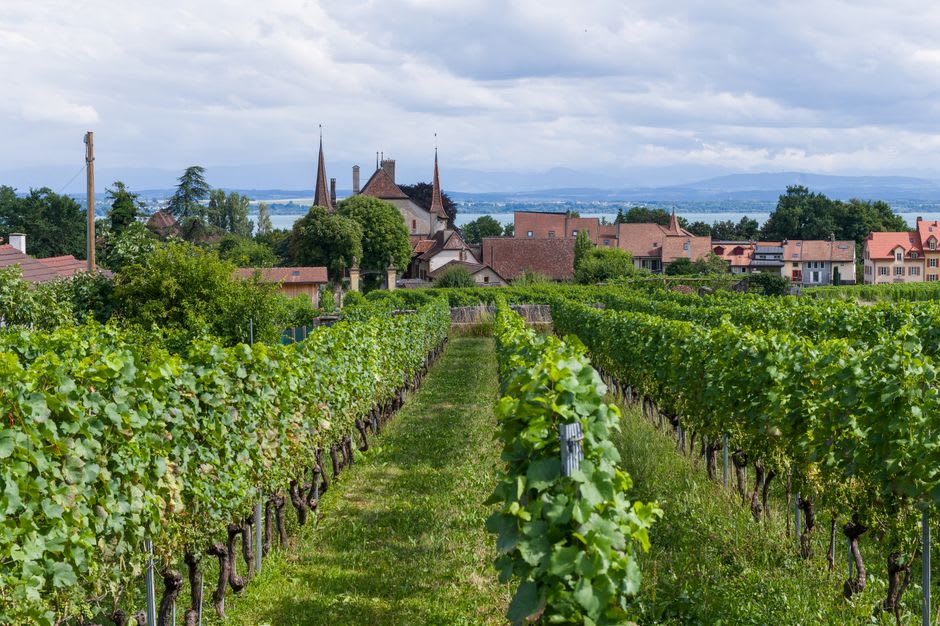
When to go: May and June bring the cherry blossom and the first real warmth without the August crush. August itself is beautiful but the village fills fast and parking below the ramparts becomes a genuine sport. Winter is quiet, cold, and if you catch a truffle market, worth every bit of the chill.
Keep exploring
More of Provence