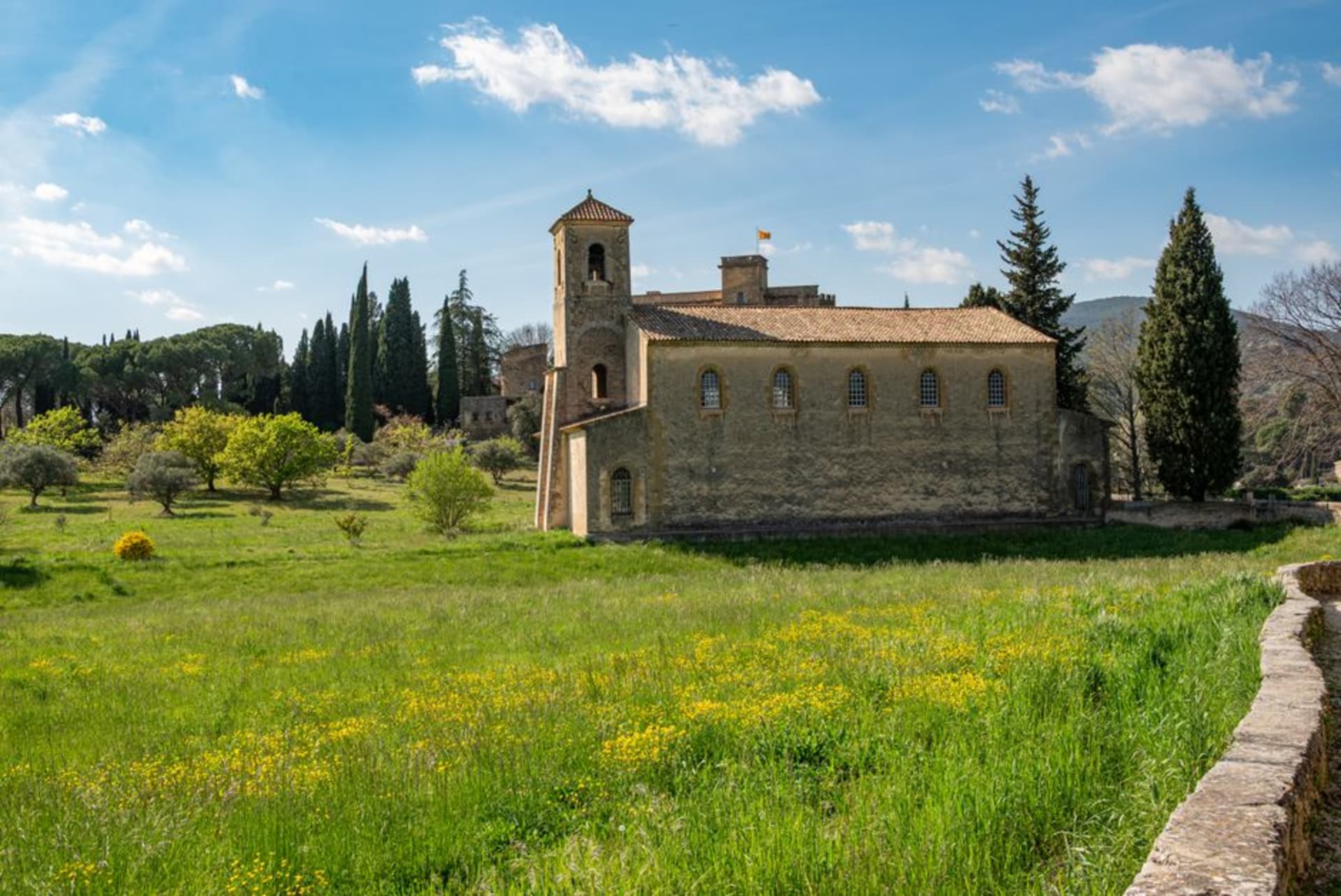
Lourmarin
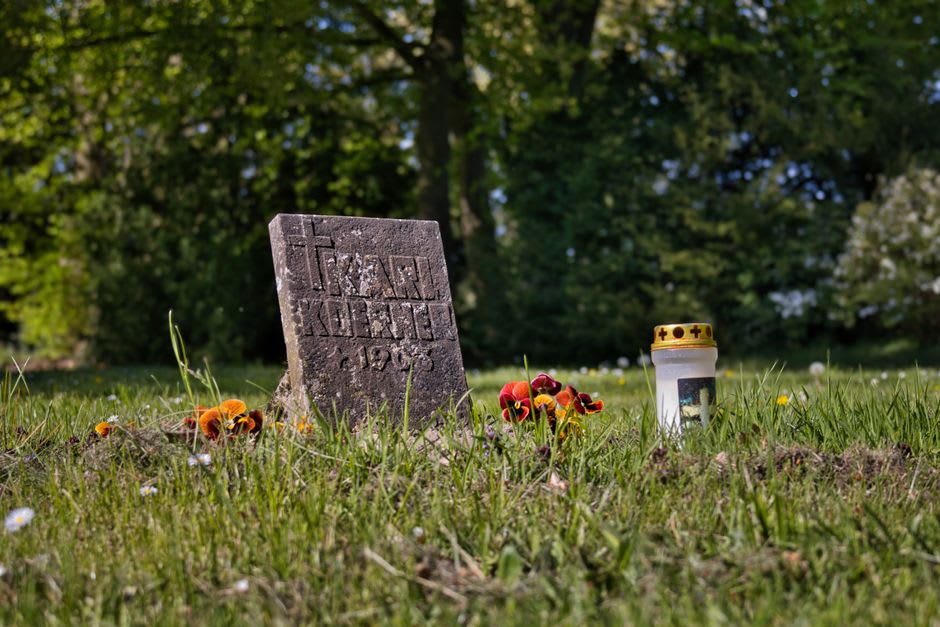
"No monument, no plaque you can't miss, just a slab of stone with his name on it in a cemetery full of ordinary villagers."
The Luberon village where Camus is buried under a plain stone slab a short walk from where he lived, which felt like the most Camus possible way to be remembered.
Lourmarin sits at the southern gap of the Luberon range, the combe that lets the road and the wind both pass through, and it has none of the defensive huddle of its neighbors up on the ridges — it spreads out low and easy along the valley floor, which somehow makes it feel more lived-in than photographed. We came for the château, mostly, and left thinking more about the cemetery.
Finding Camus without trying too hard
Albert Camus bought a house in Lourmarin in 1958 with his Nobel Prize money, wrote almost nothing new there before the car crash killed him two years later, and is buried in the village cemetery along with his wife Francine, a short walk up from the church. There’s no queue, no gift shop pointing the way — you just follow the Rue du Temple out past the last houses and find the small municipal cemetery, and his grave is a plain flat slab, often with a scattering of visitors’ pebbles and the odd cigarette left on top, a nod to the packs he smoked constantly. I’d expected something more curated. Instead it’s tucked among the graves of Lourmarin families who probably knew him at the boulangerie, which felt exactly right for a man who wrote so much about the absurdity of grand gestures. His house nearby is private, still owned by his descendants, so you look at the gate and move on — which is, again, somehow the point.
The château on the hill above the village
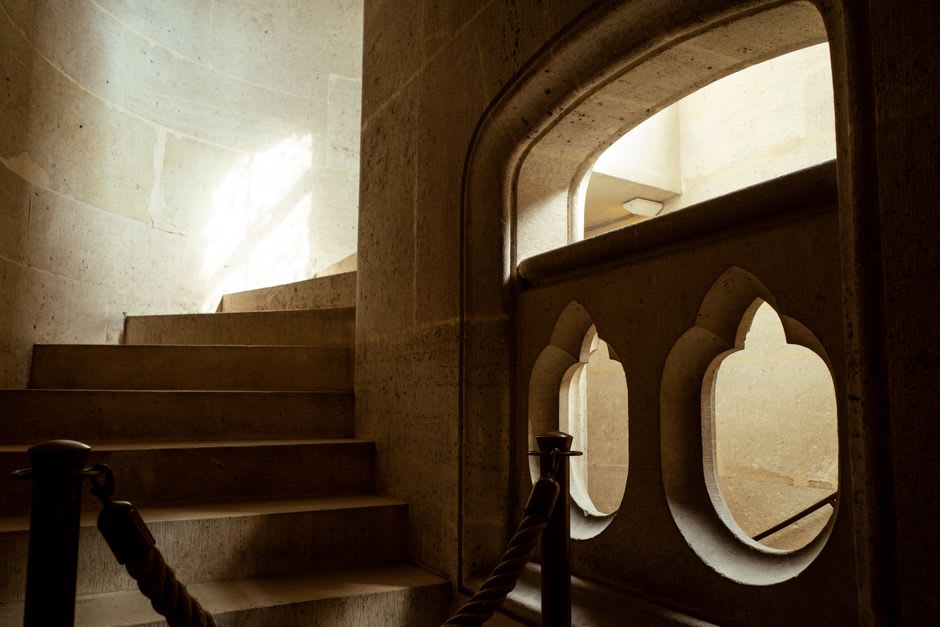
Lourmarin’s other landmark is its Renaissance château, one of the earliest of its kind in Provence, built in two distinct phases — a medieval fortress on one side, a graceful sixteenth-century wing with a spiral stone staircase and coffered ceilings on the other, the joint between them almost awkwardly visible if you know to look for it. It was restored in the 1920s by a wealthy industrialist who left it to an academic foundation, and it’s still used today to host artist and writer residencies, which felt like a fitting echo of the village’s whole Camus connection. We climbed the spiral stair to the roof terrace at closing time, when the guides start gently herding stragglers out, and watched the light go copper over the tiled roofs and the Luberon ridge behind them.
Down in the village itself, Friday market spills across the main square under plane trees, and we ate better than we planned to at a small table outside a bistro that didn’t bother with a menu in English — a good sign, we’ve learned, in a region that gets this much tourist traffic.
When to go: Spring and early autumn keep the valley floor cool enough for the long walks the village rewards; being at the low, open end of the Luberon, Lourmarin catches the mistral hard in winter, so bring a real coat if you visit between November and March. Friday mornings, market day, is the liveliest single moment to time your visit around.
Keep exploring
More of Provence